
Movie spotlight
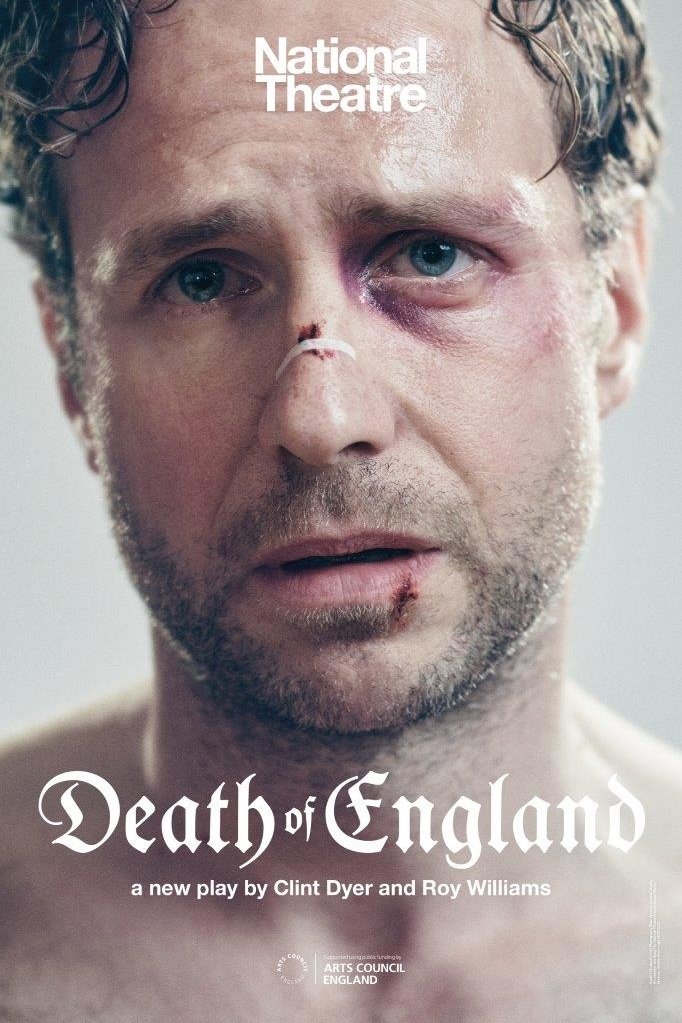
National Theatre Live: Death of England: Michael
After the death of his dad, Michael is powerless and angry. In a state of heartbreak, he confronts the difficult truths about his father’s legacy and the country that shaped him. At the funeral, unannounced and unprepared, Michael decides it is time to speak.
Insights
Plot Summary
A raw and unflinching monologue delivered by an archetypal English man grappling with grief and the unraveling of his identity in the wake of his father's death. The play uses this deeply personal tragedy to explore broader themes of class, masculinity, and the state of modern Britain. As he confronts his past and the legacy left behind, he confronts the man he has become and the nation he inhabits.
Critical Reception
Critically acclaimed for its powerful performances and resonant themes, "Death of England" was lauded as a significant piece of contemporary British theatre. Critics praised its ability to blend intimate personal struggle with wider societal commentary, often highlighting the intensity of Ralph Fiennes' central performance. The production was recognized for its timely exploration of national identity and emotional reckoning.
What Reviewers Say
Praised for Ralph Fiennes' commanding and emotionally charged performance.
Commended for its potent exploration of grief, masculinity, and class in contemporary Britain.
Recognized as a timely and relevant piece of political and personal drama.
Google audience: Audience reception is not extensively documented through Google user reviews for this specific archive recording, but critical reviews indicate a strong positive reception for its thematic depth and powerful acting.
Fun Fact
The "Death of England" production was originally staged at the Olivier Theatre in London as part of a series exploring contemporary British life, with "Death of England: Delirium" being a subsequent part of the cycle.
AI-generated overview · Verify ratings on official sources