Movie spotlight
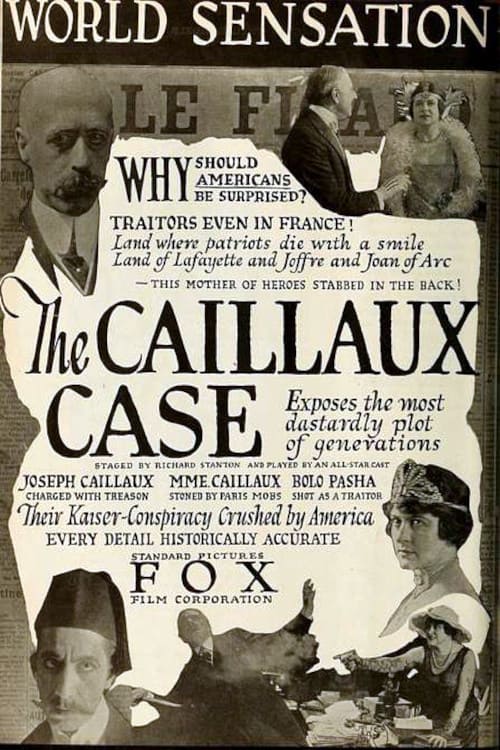
The Caillaux Case
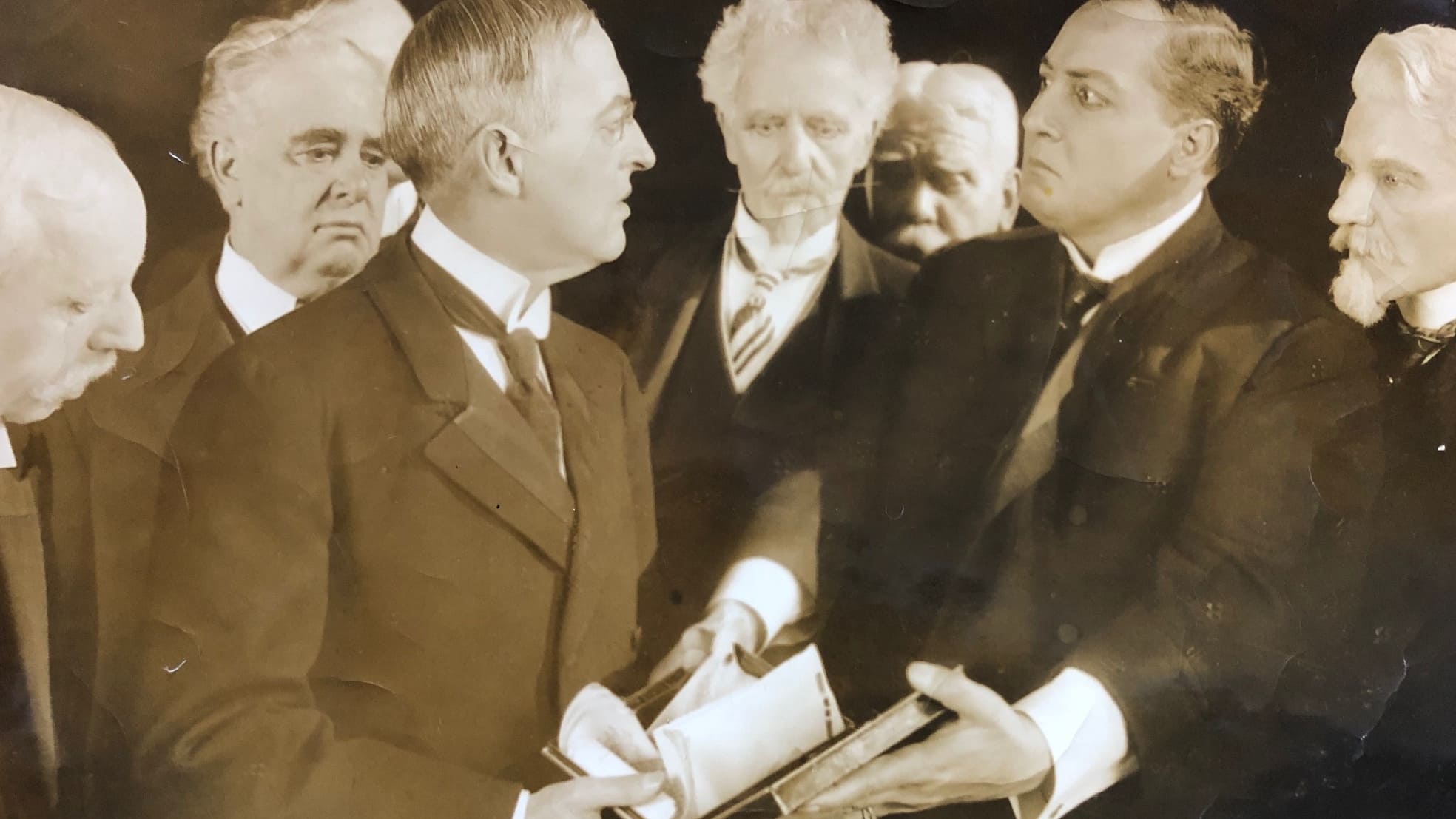
Based on an international scandal that hit prewar France, when the editor of the Paris daily LE FIGARO, Gaston Calmette was shot to death by Madame Caillaux, wife of the Minister of Finance for his exposè of her husband's traitorous activities on behalf of Germany.
Insights
Plot Summary
This film delves into the sensational murder trial of Henriette Caillaux, the wife of a prominent French politician, Joseph Caillaux. Accused of murdering Gaston Calmette, the editor of Le Figaro, the narrative explores the political intrigue, societal scandal, and the intense public scrutiny surrounding the case. The film likely dramatizes the events leading up to the murder and the subsequent trial, highlighting the personal motivations and public ramifications.
Critical Reception
As a film from 1918, specific critical reception data is scarce and difficult to verify through modern metrics. Silent films of this era were often judged on their narrative coherence, acting, and technical execution (for the time). Public interest was likely high due to the real-life scandal it depicted, suggesting it served as a form of dramatic news reporting or sensational entertainment.
What Reviewers Say
Depicted a sensational real-life scandal, captivating audiences with its dramatization.
Likely served as both entertainment and a form of popular news reporting for its time.
Technical and narrative quality would have been assessed within the context of early 20th-century filmmaking.
Google audience: Information regarding specific audience reception from Google users for a film released in 1918 is not available.
Fun Fact
The real-life events surrounding the Caillaux Case were highly controversial and involved significant political figures in France, making the film's adaptation a bold and sensational choice for its time.
AI-generated overview · Verify ratings on official sources