
Movie spotlight
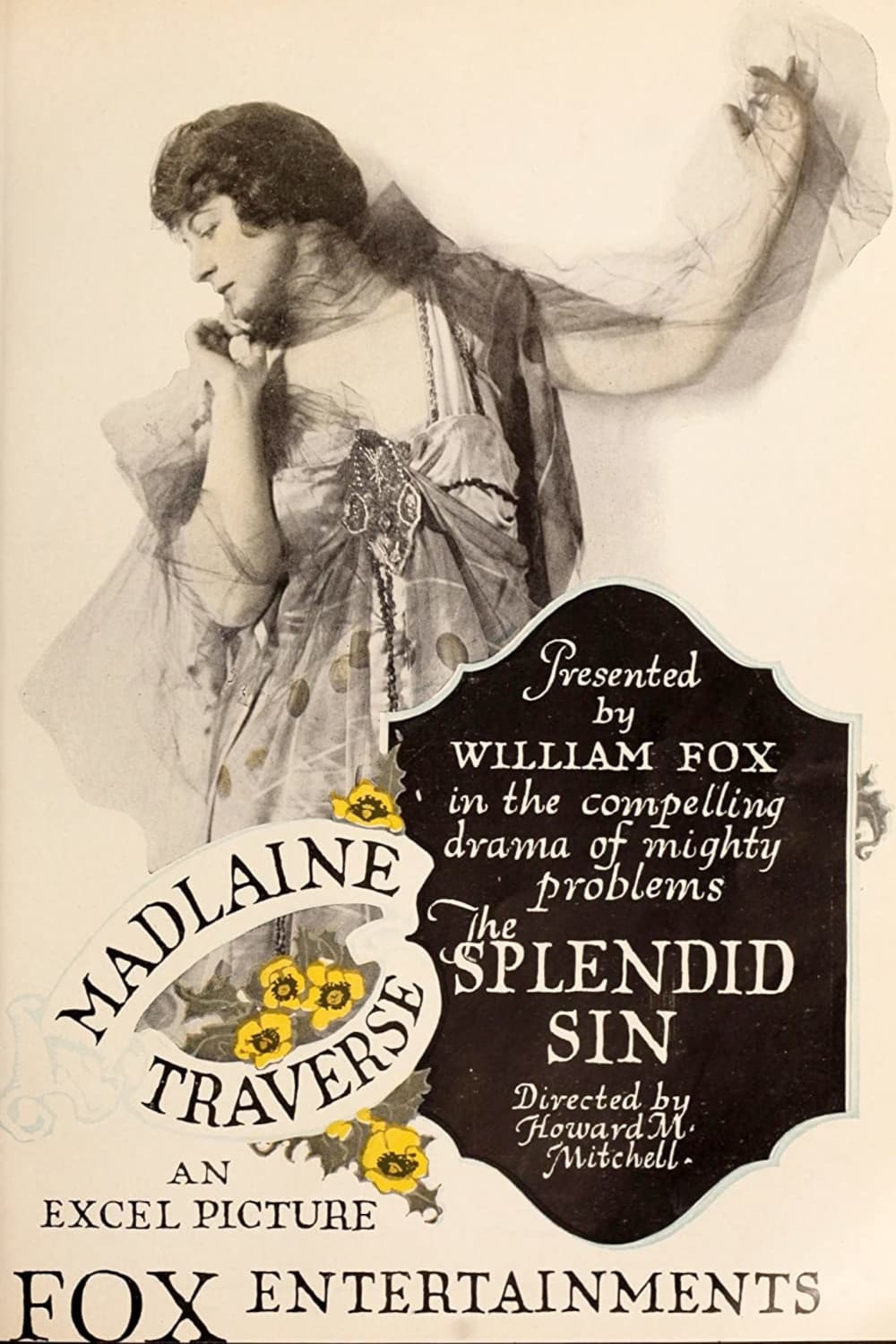
The Splendid Sin
Although they have a happy marriage, Sir Charles Chatham, an explorer, and his American wife, Lady Marion, have been unable to have children. After Charles goes to Egypt, his sister Gertrude and her sweetheart Stephen Hartley, an American consulate attaché, take refuge from a storm in a deserted tower. Frightened, Gertrude yields to Stephen's advances. Although he intends to marry Gertrude, Stephen suddenly is called to deliver supplies to starving women and children in Russia. Marion takes the pregnant Gertrude away to have her child, and notifies Stephen, who, because he is shot during Bolshevik rioting, returns too late to marry Gertrude, who dies after childbirth. To honor Gertrude's dying request, and to provide Charles with a much desired child, Marion telegraphs Charles that the baby is theirs.
Insights
Plot Summary
A young woman, the daughter of a strict minister, falls in love with a charismatic painter. Her father disapproves of the relationship, leading to conflict. She eventually elopes with the artist, only to face the harsh realities of their bohemian lifestyle and the consequences of defying her family. The film explores themes of forbidden love, societal expectations, and the pursuit of personal happiness.
Critical Reception
As a silent film from 1919, specific contemporary critical reception is difficult to ascertain through modern databases. However, silent films of this era often received reviews based on their melodrama, acting performances, and adherence to moralistic or sensational themes prevalent at the time. Bessie Love was a popular star, which likely contributed to the film's audience draw.
What Reviewers Say
Explores the conflict between societal constraints and personal desire.
Features a popular silent film star in a dramatic role.
Likely relied on its melodramatic plot and romantic entanglements for appeal.
Google audience: Information on specific Google user reviews for this film is not available due to its age.
Fun Fact
The film is considered a lost film, meaning no known copies exist today, making it a significant piece of cinematic history that can only be studied through records and reviews of its time.
AI-generated overview · Verify ratings on official sources