
Insights
Plot Summary
The film follows the experiences of Czech POWs in Germany during World War II. It depicts their daily struggles, their hopes for freedom, and the complex relationships that develop under duress. The narrative focuses on the psychological toll of captivity and the search for dignity amidst dehumanizing conditions. It captures the quiet desperation and enduring spirit of individuals far from home.
Critical Reception
Zpívající přístavy was a well-received film within Czechoslovakia, praised for its sensitive portrayal of a difficult subject matter and its strong performances. It is considered a significant work in Czech cinema of the era, often highlighted for its understated yet powerful examination of war's impact on ordinary lives.
What Reviewers Say
Praised for its poignant depiction of POW experiences.
Commended for strong acting, particularly from Josef Abrhám.
Noted for its realistic and somber atmosphere.
Google audience: Audience reception is not widely available through Google reviews for this older, international film. However, critical acclaim suggests a positive reception for its historical and dramatic content.
Fun Fact
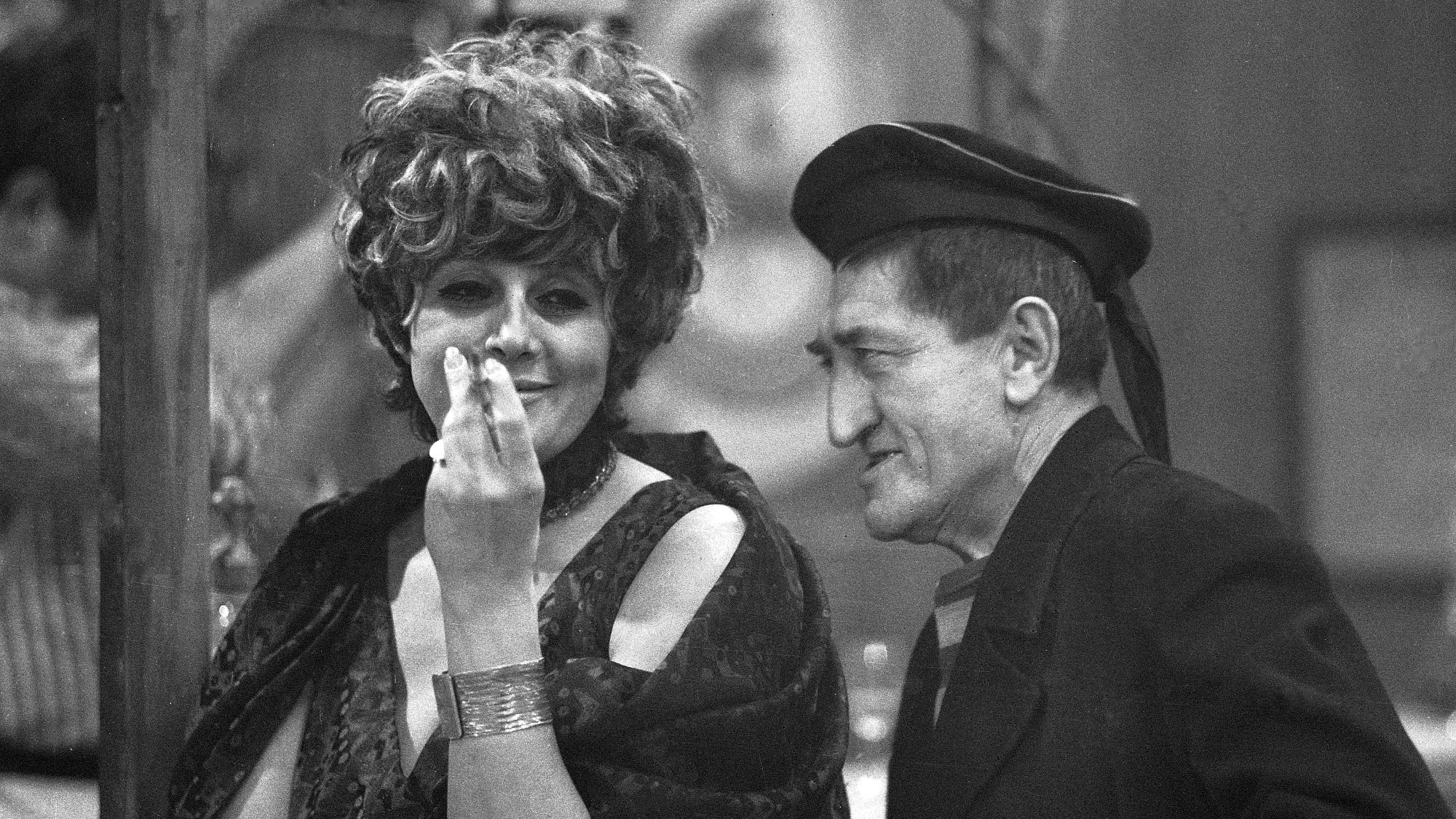
The film was shot in black and white, contributing to its stark and authentic portrayal of the wartime setting and the prisoners' bleak circumstances.
AI-generated overview · Verify ratings on official sources