Movie spotlight
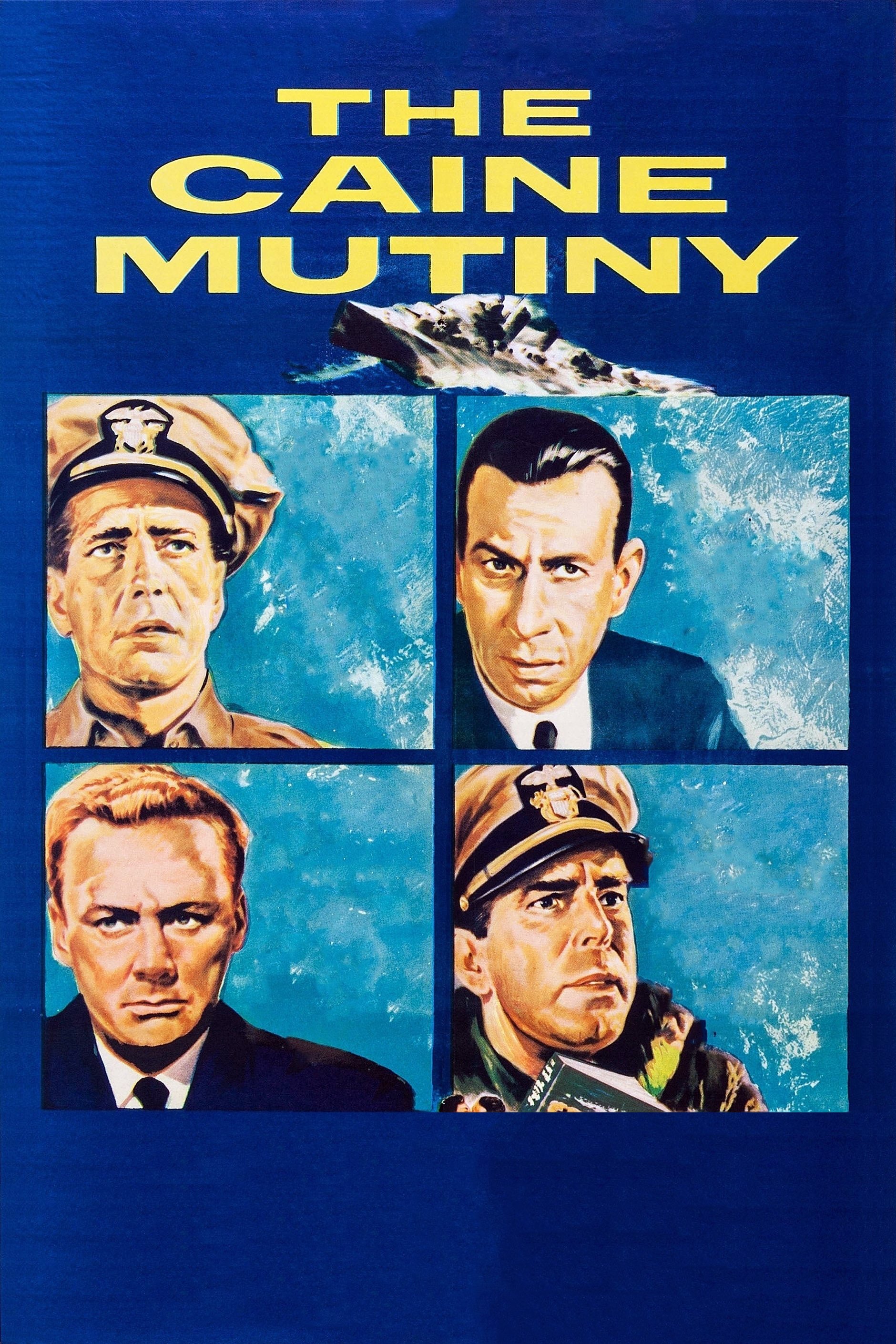
The Caine Mutiny
When a US Naval captain shows signs of mental instability that jeopardize his ship, the first officer relieves him of command and faces court martial for mutiny.
Insights
Plot Summary
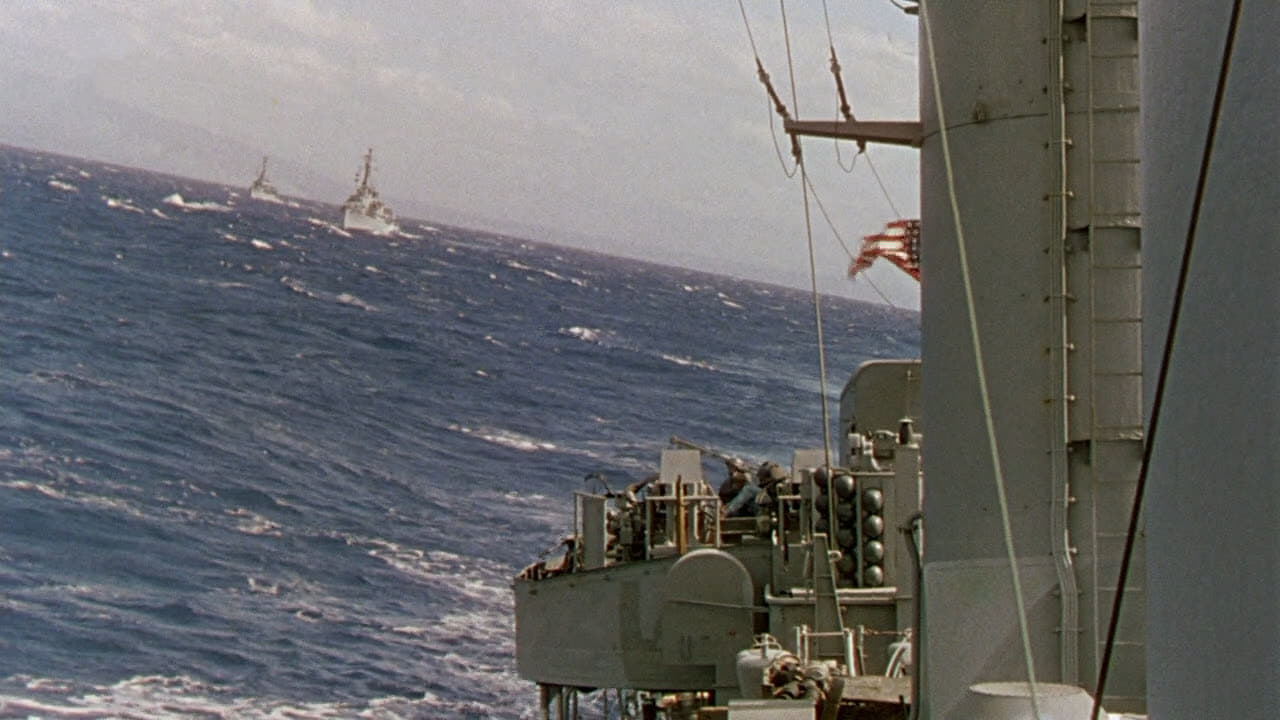
A naval officer, Lieutenant Maryk, is put on trial for mutiny after relieving his commanding officer, Lieutenant Commander Queeg, of his command during a terrifying typhoon. The film explores the complex psychological dynamics aboard the USS Caine, examining the nature of leadership, authority, and the pressures of war.
Critical Reception
The Caine Mutiny was a commercial and critical success upon its release. It was praised for its powerful performances, particularly Humphrey Bogart's portrayal of the increasingly unstable Captain Queeg, and its exploration of wartime stress and command responsibility. While some criticized its perceived deviations from the source novel, it was widely considered a significant and compelling war drama.
What Reviewers Say
Praised for Humphrey Bogart's iconic performance as Captain Queeg.
Lauded for its dramatic courtroom scenes and examination of military command.
Considered a gripping war film that delves into psychological tension.
Google audience: Audiences generally found the film to be a compelling and well-acted war drama. Bogart's performance as the despotic Captain Queeg is frequently highlighted as a major strength, with many appreciating the film's tense courtroom sequences and exploration of leadership under pressure.
Awards & Accolades
Nominated for seven Academy Awards, including Best Picture, Best Actor (Humphrey Bogart), and Best Supporting Actor (Tom Tully). It won the Golden Globe for Best Film Promoting International Understanding.
Fun Fact
The character of Captain Queeg was inspired by Lieutenant Commander Philip R. Moran, a real-life naval officer whose erratic behavior during WWII led to his relief from command and a subsequent court-martial.
AI-generated overview · Verify ratings on official sources