Movie spotlight
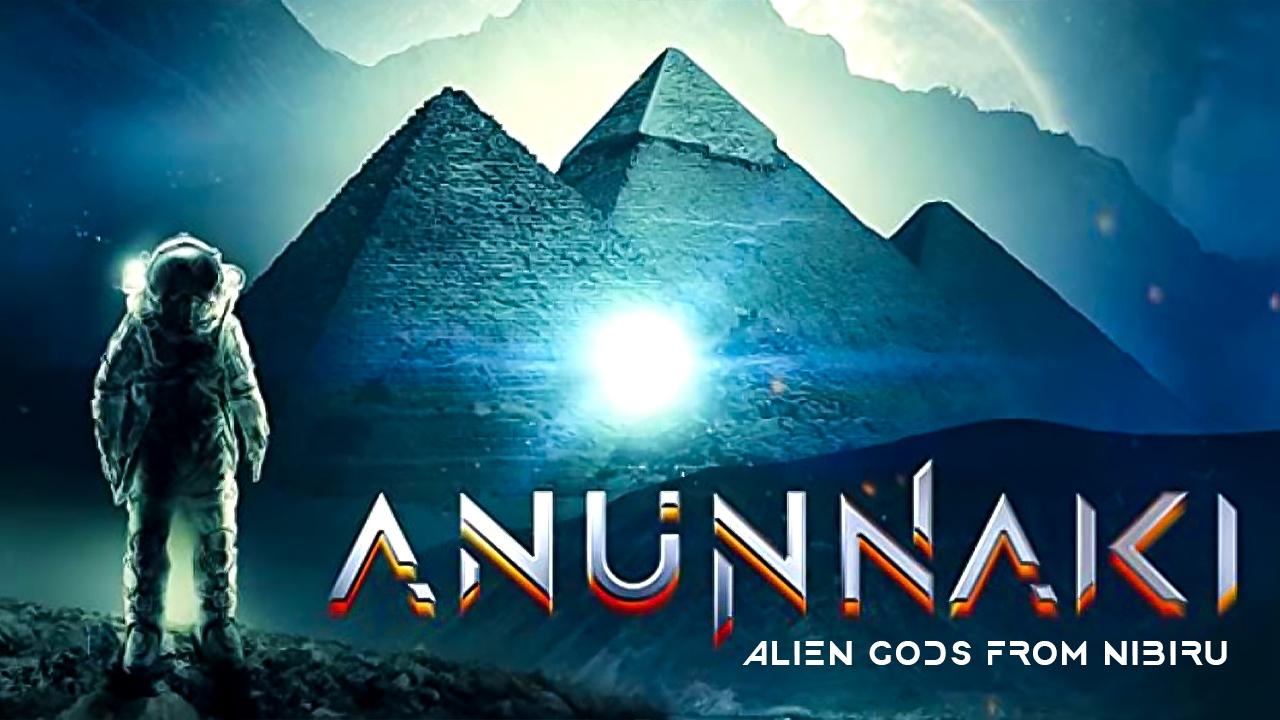
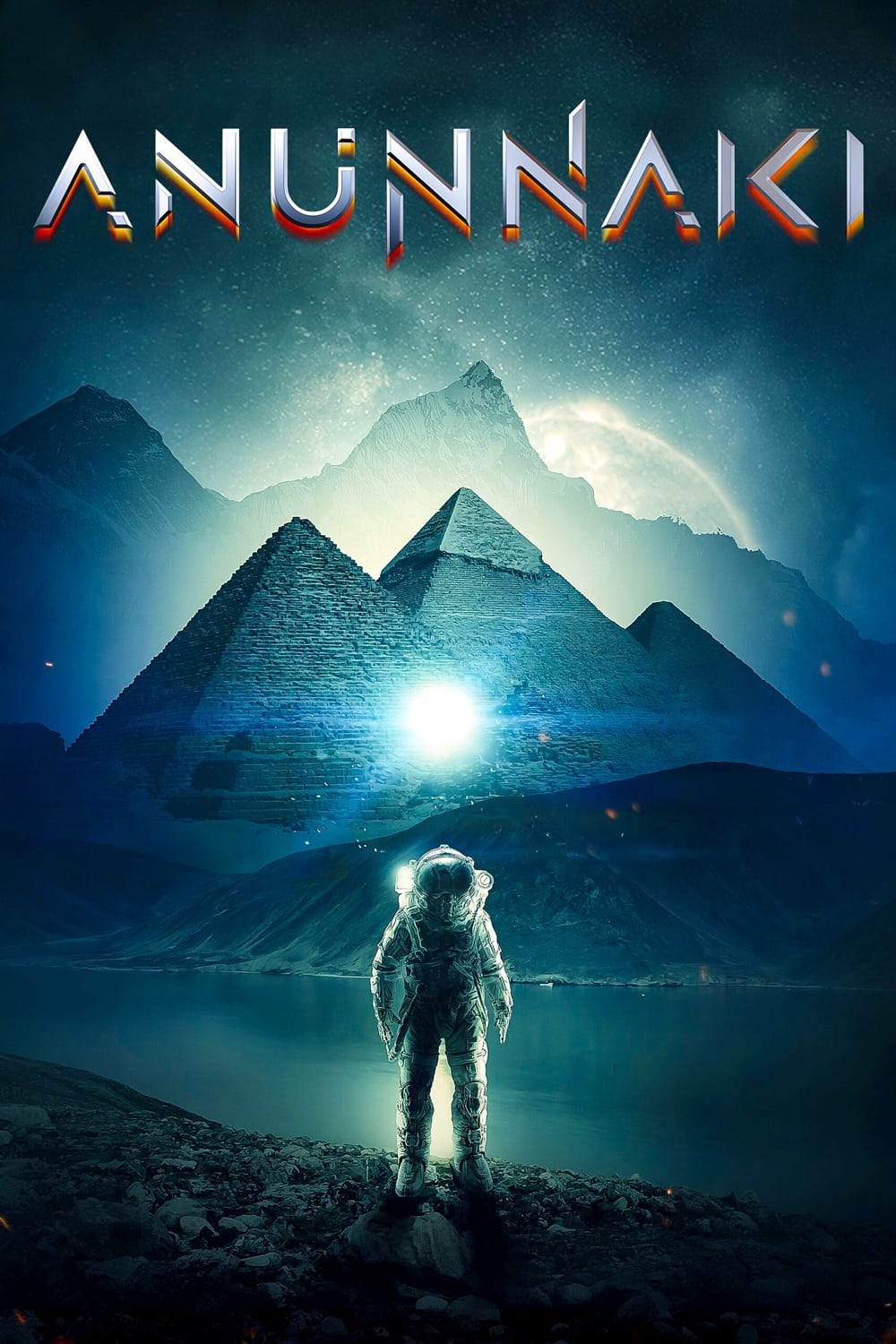
Annunaki: Alien Gods from Nibiru
450,000 years ago our ancestors descended from the heavens to engineer the first human beings. To us they were Giants that ruled as Gods over mankind. Now new evidence and scientific research acknowledges their existence on earth but reveals when they will return. The truth of their real origin and purpose is much more bizarre and amazing than anything previously believed. From the Garden of Eden to the Great Flood; from the God of the Bible to the secrets of Enoch all shall be revealed.
Insights
Plot Summary
This documentary explores the controversial theory that ancient Mesopotamian civilizations were visited by extraterrestrial beings known as the Annunaki. It delves into interpretations of ancient texts, archaeological evidence, and astronomical alignments to suggest these beings may have influenced human development and established a presence on Earth from the planet Nibiru.
Critical Reception
The film received very limited critical review due to its niche subject matter and direct-to-video release. It is generally considered to be pseudoscientific by mainstream academia and often criticized for presenting speculative theories as fact without rigorous scientific backing. Audience reception tends to be divided, with supporters drawn to the intriguing narrative and contrarians dismissing its lack of evidence.
What Reviewers Say
Presents fringe theories about ancient astronauts in a documentary format.
Lacks scientific evidence and relies heavily on speculative interpretations of ancient texts.
Appeals to viewers interested in alternative history and ancient mysteries.
Google audience: Audience reviews are scarce and polarized. Some viewers found the documentary thought-provoking and enjoyed the exploration of ancient mysteries, while others dismissed it as unsubstantiated pseudoscience and criticized its lack of factual basis.
Fun Fact
The Annunaki theory popularized in the film draws heavily from the writings of Zecharia Sitchin, whose interpretations of Sumerian cuneiform texts are widely rejected by Assyriologists and other scholars.
AI-generated overview · Verify ratings on official sources