Movie spotlight
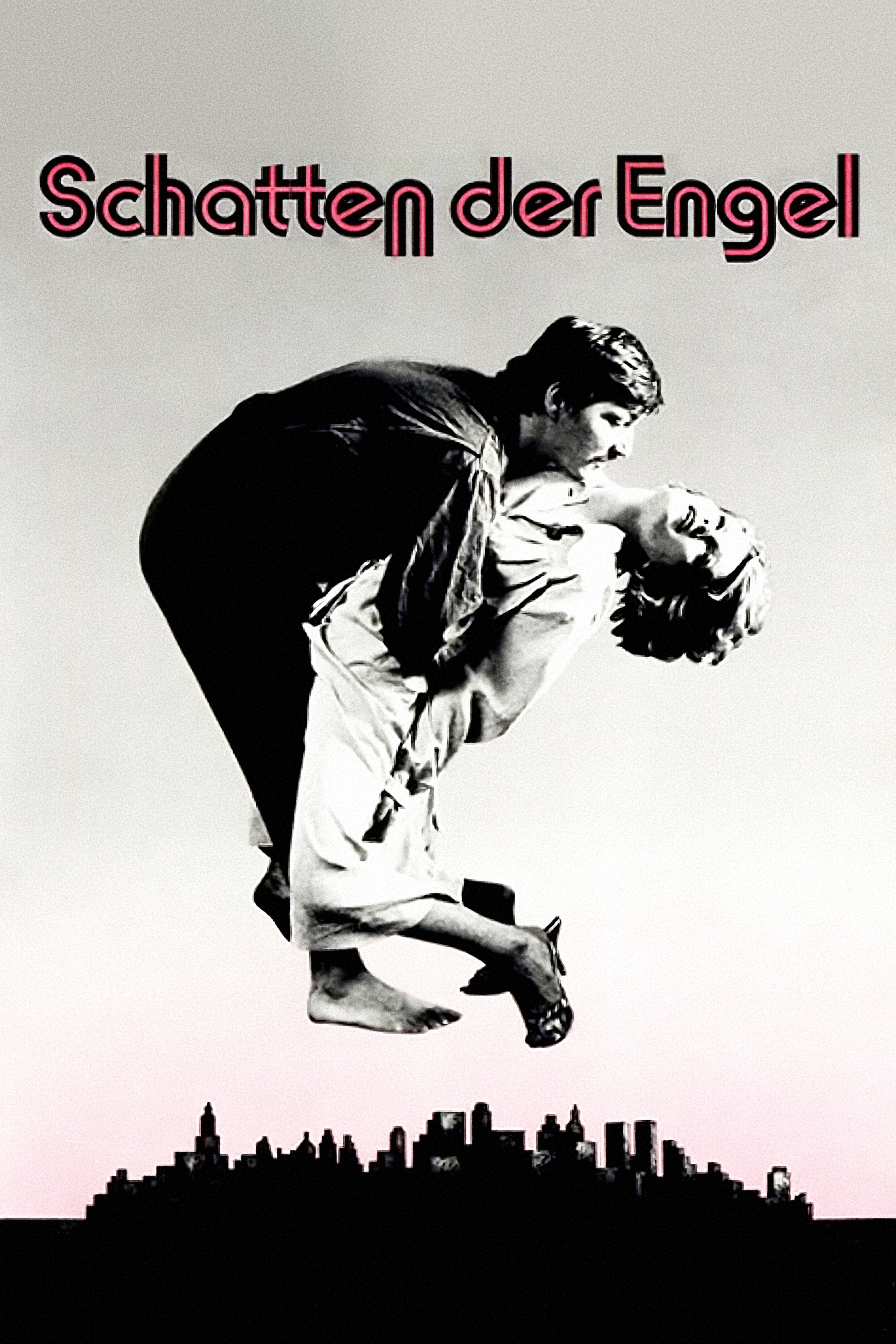
Shadow of Angels
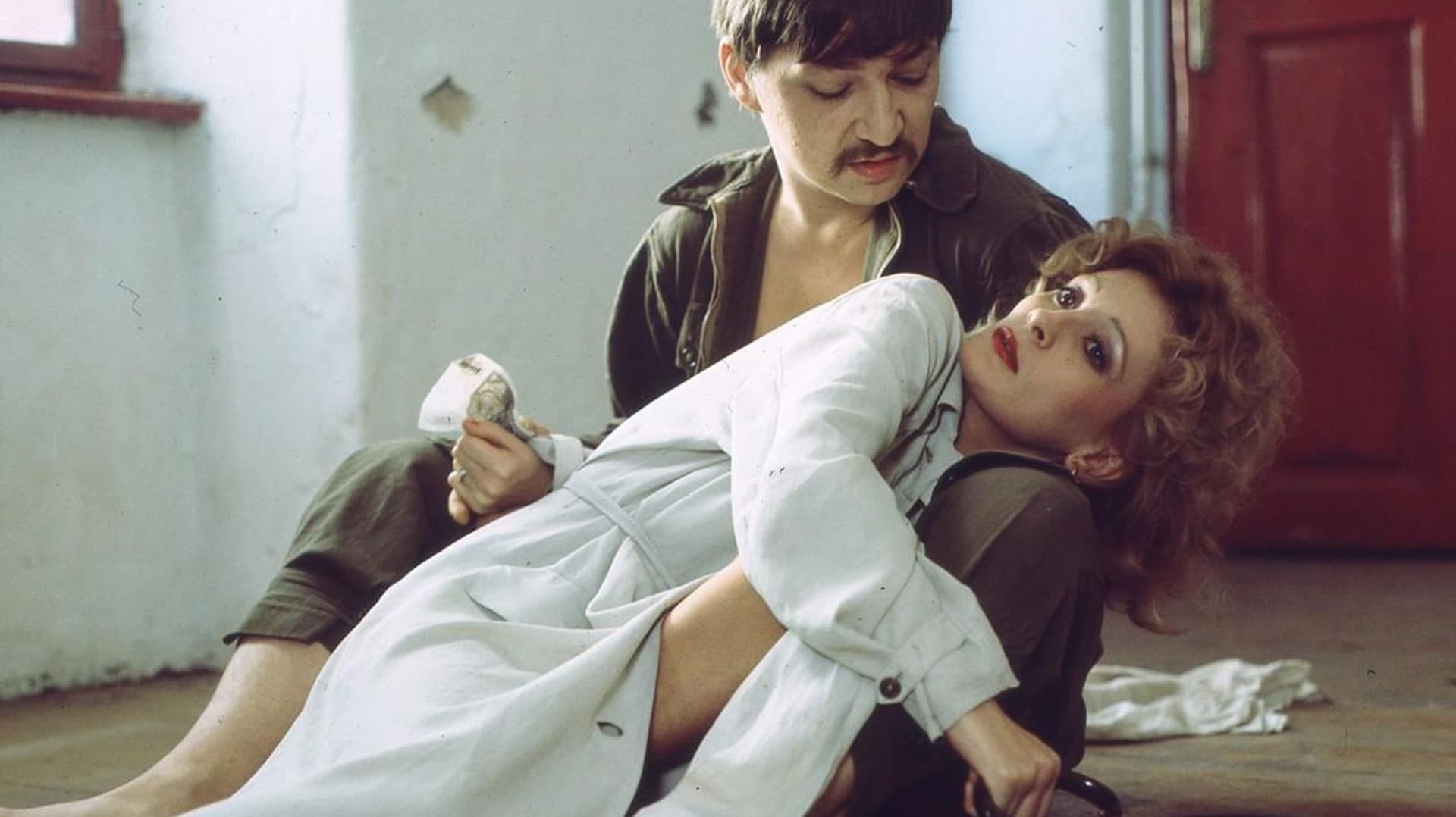
Beautiful, detached, laconic, consumptive Lily Brest is a streetwalker with few clients. She loves her idle boyfriend, Raoul, who gambles away what little she earns. The town's power broker, called the rich Jew, discovers she is a good listener, so she's soon busy. Raoul imagines grotesque sex scenes between Lily and the Jew; he leaves her for a man. Her parents, a bitter Fascist who is a cabaret singer in drag and her wheelchair-bound mother, offer no refuge. Even though all have a philosophical bent, the other whores reject Lily because she tolerates everyone, including men. She tires of her lonely life and looks for a way out. Even that act serves the local corrupt powers.
Insights
Plot Summary
This film offers a dark and often unsettling look at the relationship between a courtesan and her pimp in Berlin. As their lives intertwine, the narrative explores themes of power, control, and psychological manipulation within a decaying urban landscape. The characters navigate a world of desperation and moral ambiguity, highlighting the destructive nature of their codependent bond.
Critical Reception
Rainer Werner Fassbinder's 'Shadow of Angels' was met with a polarized critical reception, characteristic of many of his challenging works. While some critics lauded its raw intensity, bold thematic exploration, and Fassbinder's distinctive visual style, others found it overly bleak, nihilistic, and difficult to engage with. Its unflinching portrayal of difficult relationships and societal decay often divided audiences and reviewers.
What Reviewers Say
Praised for its intense atmosphere and Fassbinder's directorial vision.
Criticized for its bleakness and challenging subject matter.
Seen as a powerful, albeit disturbing, examination of destructive relationships.
Google audience: Information on specific Google user reviews for 'Shadow of Angels' is not readily available. However, films from Fassbinder's oeuvre often evoke strong reactions, with audiences typically divided between those who appreciate his provocative style and thematic depth, and those who find his narratives too confrontational or grim.
Fun Fact
The film was shot in just 23 days, a relatively quick turnaround even for Fassbinder, reflecting his prolific output during the 1970s.
AI-generated overview · Verify ratings on official sources