
Movie spotlight
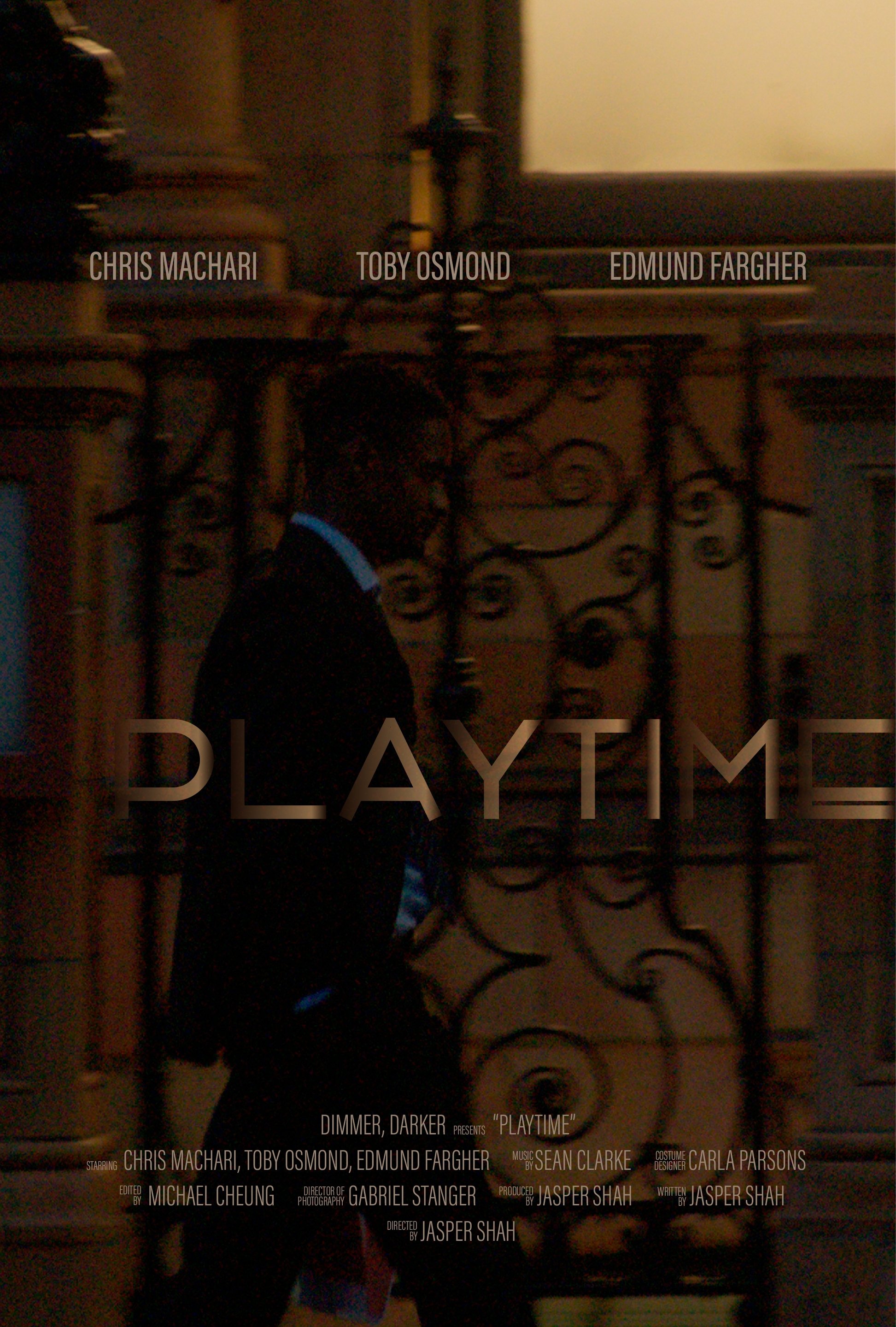
Playtime
In this slice of life, Jack learns a friend from school has found success in a passion they once shared - but one he gave up on.
Insights
Plot Summary
Monsieur Hulot visits Paris, a city of extreme modernity and constant activity. He navigates through a series of encounters in a new, highly functional, yet impersonal city, including a stay in a modern hotel and a visit to a massive, labyrinthine department store. The film culminates in a chaotic, yet ultimately joyful, neighborhood block party that breaks down the sterile structures of the city.
Critical Reception
Playtime is widely regarded as a masterpiece of cinematic comedy and a profound social commentary. While its initial release was a financial disappointment, its reputation has grown immensely over time, with critics praising its visual gags, intricate set design, and Tati's unique brand of observational humor. Audiences often appreciate its gentle satire of modern life and its surprisingly heartwarming conclusion.
What Reviewers Say
A visual feast with masterful sight gags and meticulous set design.
A poignant and humorous critique of post-war modernity and urban alienation.
Tati's unique comedic genius is on full display, creating a world both familiar and fantastical.
Google audience: Viewers love the film's inventive visual humor and its surprisingly touching moments. Many appreciate its detailed observation of modern life and Tati's iconic character, Monsieur Hulot.
Awards & Accolades
Nominated for the Palme d'Or at the Cannes Film Festival.
Fun Fact
The film was shot on 70mm film and cost an enormous amount to produce, largely due to the construction of a massive, purpose-built "city" set in a Paris suburb called "Tativille".
AI-generated overview · Verify ratings on official sources