
Movie spotlight
What Words Can Do
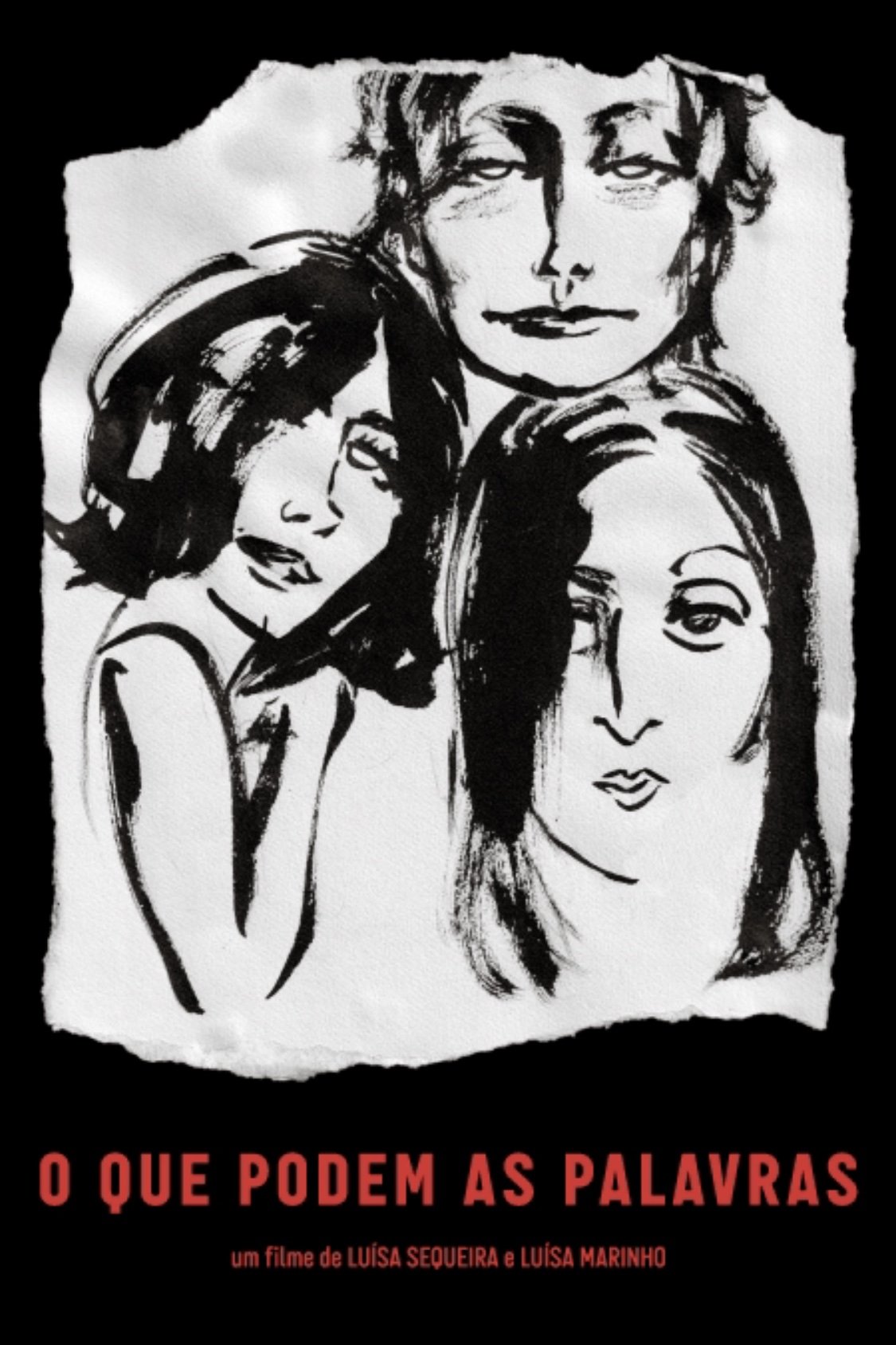
In 1972, Maria Isabel Barreno, Maria Teresa Horta and Maria Velho da Costa published the book As Novas Cartas Portuguesas [New Portuguese Letters], addressing topics forbidden and censored during the Estado Novo regime such as the colonial war, adultery, rape and abortion. The book was immediately banned and the writers were prosecuted for crimes against morality. The legal proceedings caused waves of protest around the world, giving rise to an international network of solidarity. In the film, the “three Marias” tell their story, before and after one the first major feminist struggles in Portugal.
Insights
Plot Summary
This documentary explores the profound impact of literacy and the transformative power of words through the experiences of formerly incarcerated women. It highlights their journeys as they learn to read and write, demonstrating how these fundamental skills can unlock potential and foster healing.
Critical Reception
What Words Can Do received acclaim for its sensitive and empowering portrayal of personal transformation. Critics lauded its focus on the resilience of the human spirit and the critical role of education in rehabilitation.
What Reviewers Say
Praised for its emotional depth and inspiring stories.
Commended for shedding light on the importance of literacy in societal reintegration.
Hailed as a powerful testament to overcoming adversity.
Google audience: Audience reception is generally very positive, with viewers frequently noting the film's moving and hopeful narrative, and its effective demonstration of how literacy can be a pathway to personal empowerment.
Awards & Accolades
Won the Audience Award at the 2022 Provincetown International Film Festival and the Audience Award for Best Documentary at the 2022 Heartland International Film Festival.
Fun Fact
Director Erica Daniels drew inspiration for the film from her own experiences volunteering in correctional facilities.
AI-generated overview · Verify ratings on official sources