
Movie spotlight
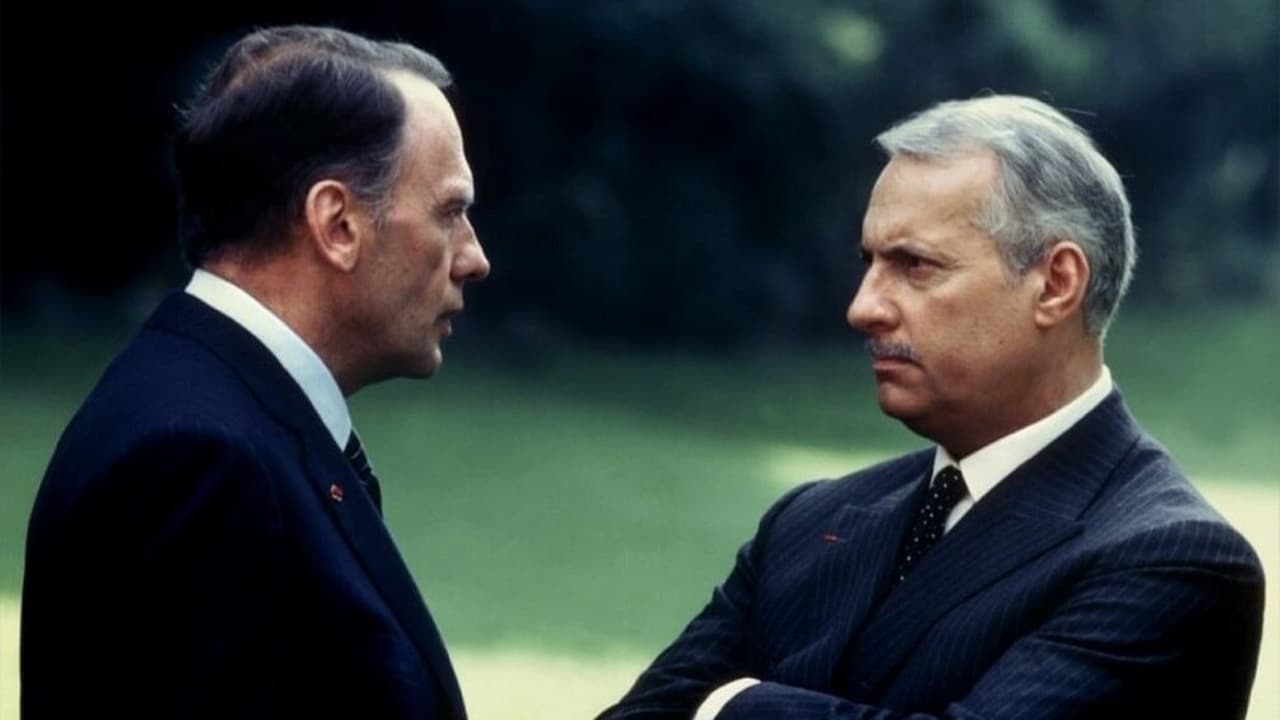
Le Bon Plaisir
Claire's handbag is stolen. It contained a letter written ten years previously by the man who is now the French President. In the letter, he urges his pregnant mistress to have an abortion. Claire immediately alerts the President's men. From that moment, the machinery of state swings into action.
Insights
Plot Summary
A powerful and ambitious woman in French politics navigates the complexities of power, love, and societal expectations. As she rises through the ranks, she finds herself entangled in a passionate affair with a married man, forcing her to confront the compromises she must make in both her personal and professional life. The film explores themes of desire, ambition, and the sacrifices often demanded of women in public life.
Critical Reception
Upon its release, 'Le Bon Plaisir' received a mixed to positive reception from critics, who often praised its sophisticated exploration of political and personal relationships, as well as the strong performances from its lead actors. Some critics noted its deliberate pacing and nuanced portrayal of complex characters, while others found it somewhat conventional in its storytelling.
What Reviewers Say
Praised for its insightful look at the intersection of politics and personal life.
Catherine Deneuve's performance was widely lauded as a commanding portrayal of a woman in power.
Some reviewers found the film's exploration of relationships to be subtle but occasionally lacking in dramatic impact.
Google audience: Audience reception information from Google is not readily available for this film.
Awards & Accolades
None notable.
Fun Fact
The film was screened out of competition at the 1984 Cannes Film Festival.
AI-generated overview · Verify ratings on official sources