Movie spotlight
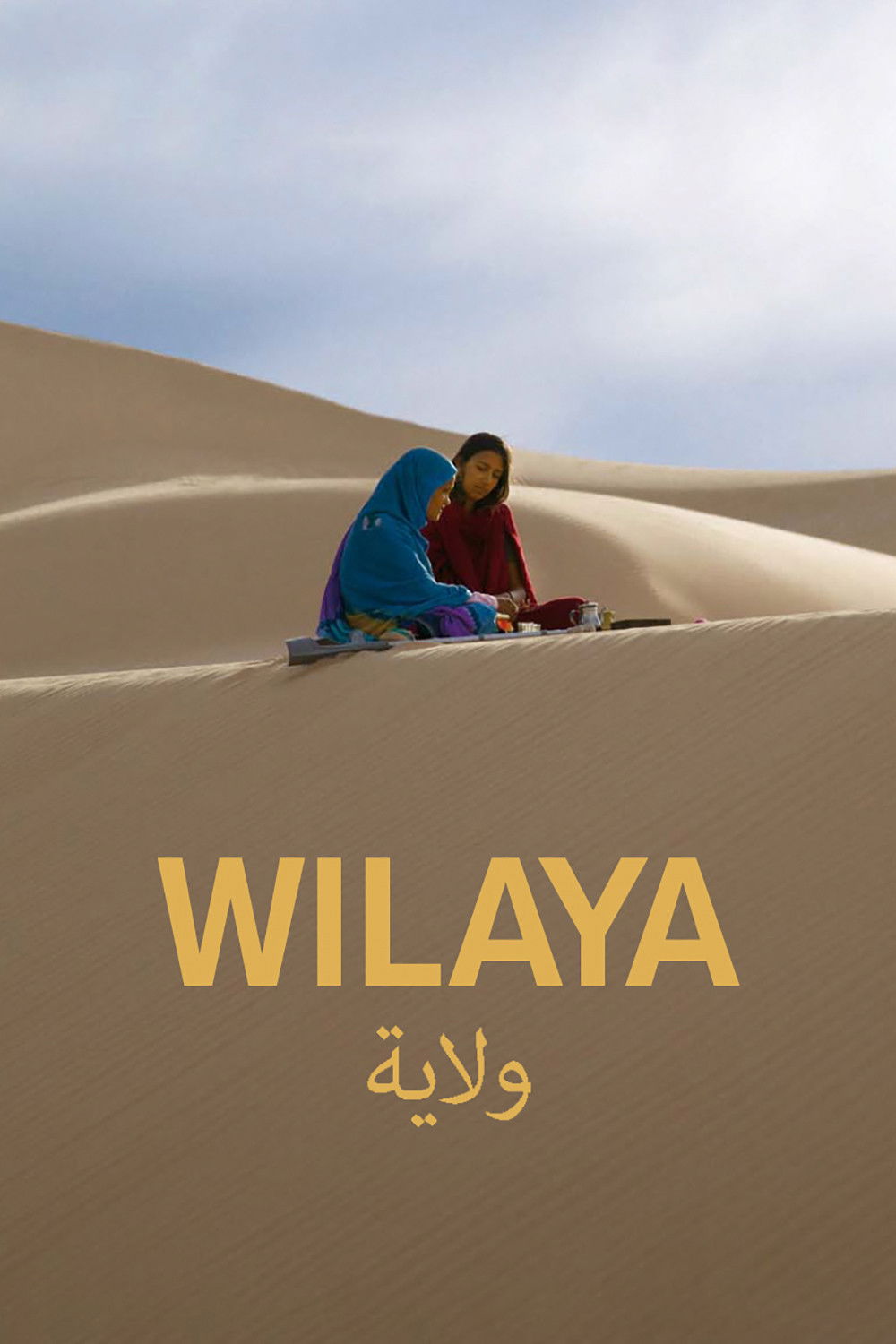
Wilaya
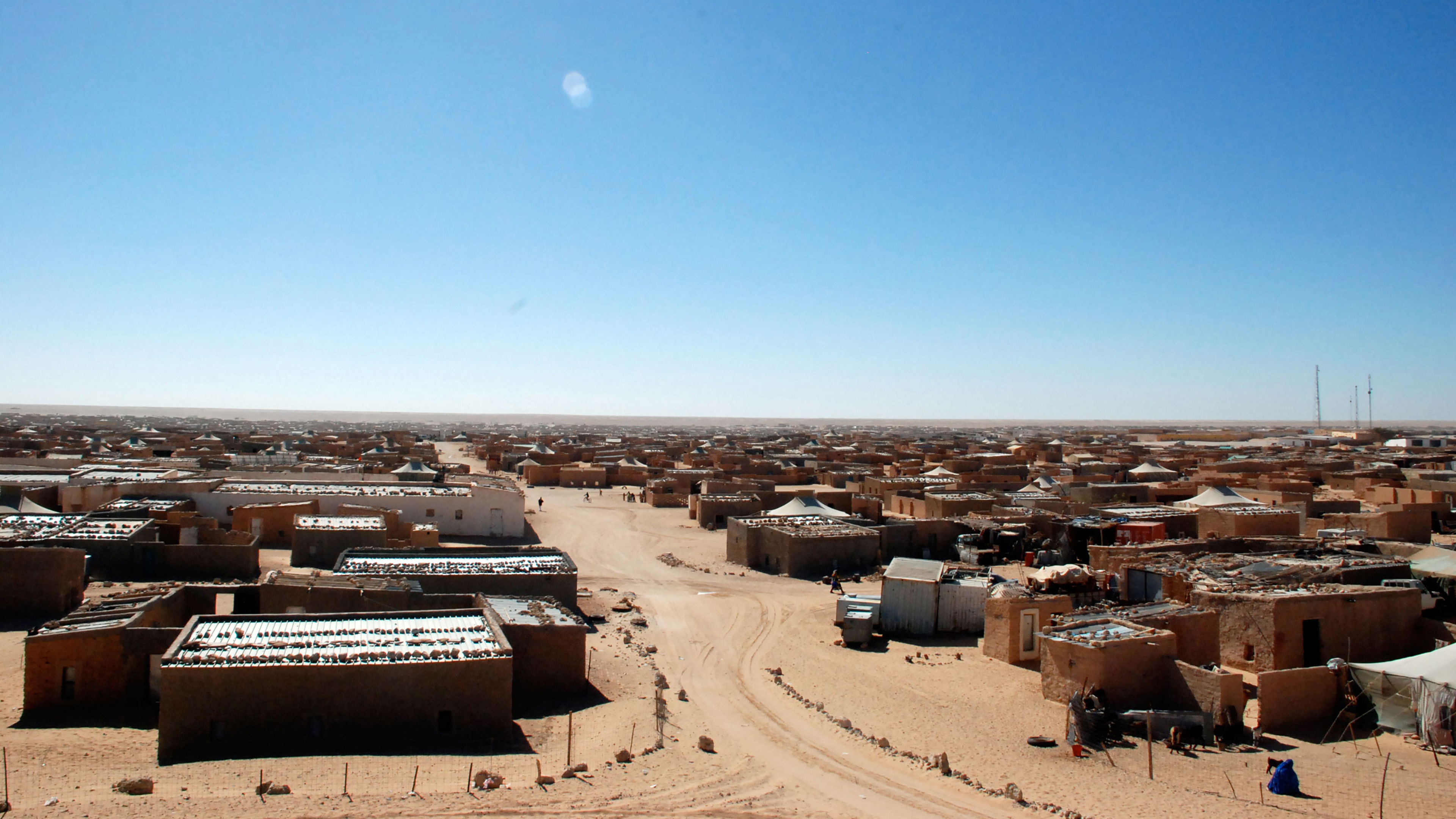
Fatimetu returns to the Wilaya of Smara for the funeral of her mother, after 16 years living in Spain. There she meets her brother Jatri, who is expecting his first child with Aichetu his wife, and her sister Hayat. Jatri tells her that she has inherited the family Khaimah and must care for her sister. Fatimetu reluctantly accepts the last will of her mother, though she is not sure how to take care of her sister as she can barely take care of herself.
Insights
Plot Summary
Fatimetu lives in a refugee camp in Tindouf, Algeria, where she is preparing to marry a man she barely knows. Her world is turned upside down when she discovers her father has been exiled to Spain. Determined to find him, she embarks on a journey that will challenge her beliefs and uncover the complex realities of the Sahrawi people's struggle for self-determination.
Critical Reception
Wilaya received critical acclaim for its sensitive portrayal of life in the Sahrawi refugee camps and its exploration of personal identity within a political context. Critics praised its authentic performances and powerful storytelling, highlighting its ability to humanize a protracted conflict.
What Reviewers Say
Praised for its authentic and moving depiction of the Sahrawi refugee experience.
Commended for its strong performances, particularly from its non-professional actors.
Applauded for its sensitive exploration of love, family, and identity against a backdrop of political displacement.
Google audience: Information not available.
Awards & Accolades
Screened at multiple international film festivals, including the Berlinale Forum and the Toronto International Film Festival.
Fun Fact
The film was shot on location in the Sahrawi refugee camps, and many of the actors were actual residents of these camps, adding a layer of raw authenticity to the performances.
AI-generated overview · Verify ratings on official sources