Movie spotlight
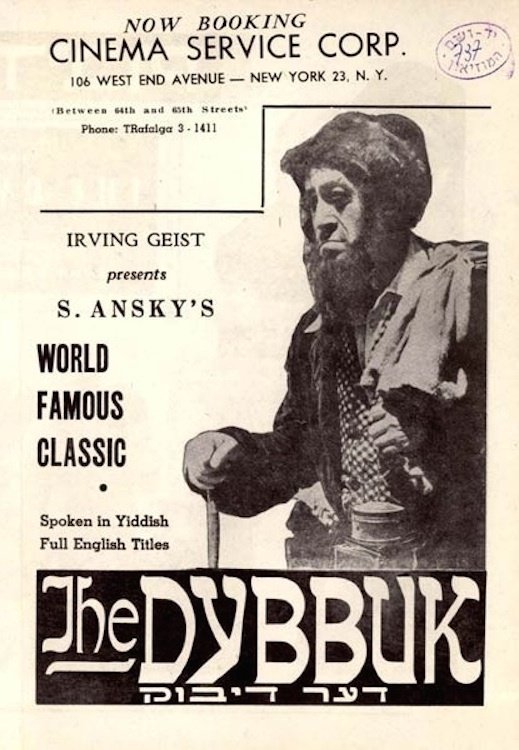
The Dybbuk
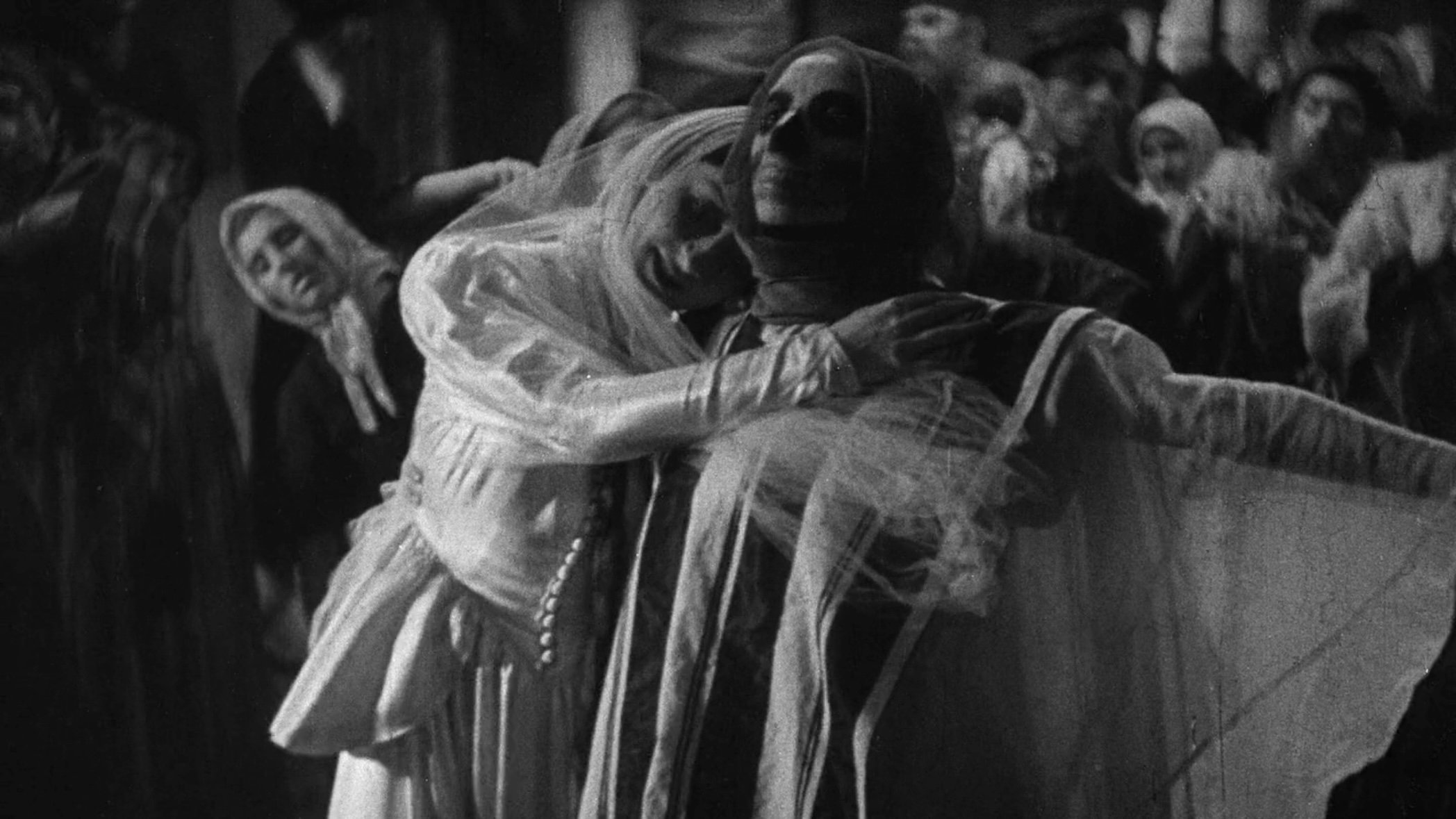
In a Polish shtetl, two young men who have grown up together betrothe their unborn children, ignoring the advice of a mysterious traveler not to pledge the lives of future generations. Soon after, one of them dies, and the wife of the other dies in childbirth. The children grow up in different towns, without ever knowing of the betrothal, but the power of the vow leads them to meet each other when they are marriageable. The young woman, Leah, is promised to another man, but Channon, the son of the father who died, is a practitioner of mysticism, and seeks to win his bride through sorcery.
Insights
Plot Summary
Based on S. Ansky's play, this film tells the story of a young woman possessed by the dybbuk, a restless spirit, after her betrothed dies suddenly. The dybbuk is believed to be the soul of her deceased lover, who is unable to rest until his spiritual union with her is fulfilled. The village rabbi and mystic scholars attempt to exorcise the spirit, leading to a dramatic confrontation between the earthly and supernatural realms.
Critical Reception
The Dybbuk is considered a landmark film in Yiddish cinema, highly praised for its atmospheric direction, powerful performances, and faithful adaptation of its source material. It is noted for its vivid portrayal of traditional Jewish folklore and its exploration of themes like love, death, and the supernatural. The film achieved significant critical acclaim both in its time and retrospectively.
What Reviewers Say
Praised for its authentic and haunting depiction of Jewish folklore.
Recognized as a significant achievement in Yiddish filmmaking.
Lauded for its strong performances and atmospheric storytelling.
Google audience: Information on Google user reviews for this specific film from 1937 is not readily available.
Fun Fact
The film was shot on location in Poland and is one of the most important surviving examples of Yiddish-language cinema from before the Holocaust.
AI-generated overview · Verify ratings on official sources