Movie spotlight
The Peony Pavilion
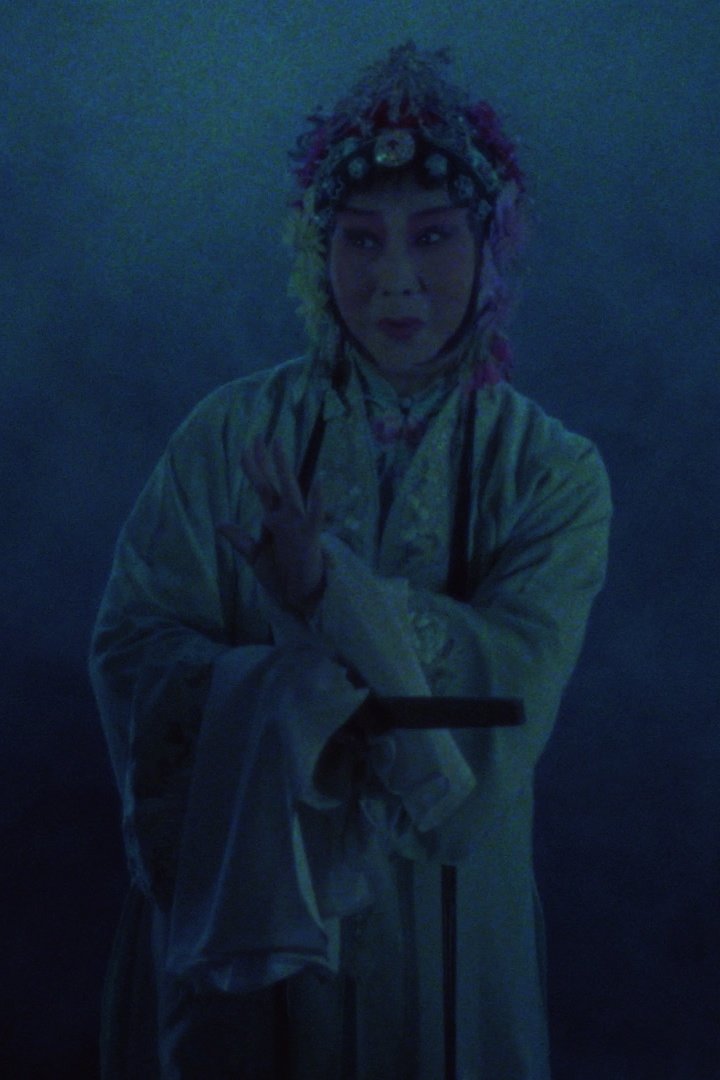
A young aristocrat is seduced by a young man who appeared to her in a dream one spring afternoon. Captive of this impossible love, the young girl is dying of melancholy. But the constancy of her love is stronger than death; she wins the pity of the judge of the underworld, manages to find her lover and come back to life. The opera "The Peony Pavilion" was composed in 1598 by the poet Tang Xianzu (1550-1617), one of the greatest playwrights of the Ming period. Of all the forms of Chinese opera that have followed one another since the 12th century, the kunqu is the one that best preserves the image of a classical art highly appreciated in educated circles for its musical, literary and gestural refinement.
Insights
Plot Summary
This film adaptation of the classic Kunqu opera 'The Peony Pavilion' tells the story of Du Liniang, a young woman who falls in love with her dream lover, Liu Mengmei, after seeing him in a vision. Her unfulfilled love leads to her death, but her spirit returns to seek out Liu Mengmei and fulfill their love, challenging the boundaries between life and death, and the rigid social conventions of her time.
Critical Reception
As a film adaptation of a highly revered classical opera, 'The Peony Pavilion' (1988) was primarily appreciated for its artistic merit and its effort to bring traditional Chinese opera to a wider audience. While specific widespread critical reviews in English are scarce, it is generally acknowledged as a visually rich and evocative portrayal of a seminal work in Chinese literature and theater.
What Reviewers Say
Praised for its artistic direction and faithfulness to the original opera.
Appreciated for its visual beauty and evocative performances.
Seen as an important cultural preservation effort in Chinese cinema.
Google audience: Information on specific Google user reviews for this 1988 film adaptation is not readily available, but audiences familiar with the source material generally hold it in high regard for its aesthetic qualities and thematic depth.
Awards & Accolades
None notable in international mainstream awards, but significant within the context of Chinese film and traditional opera adaptations.
Fun Fact
The film is based on a Ming Dynasty play written by Tang Xianzu, considered one of the 'four dreams' of Chinese literature, and is a cornerstone of Kunqu opera.
AI-generated overview · Verify ratings on official sources