Movie spotlight
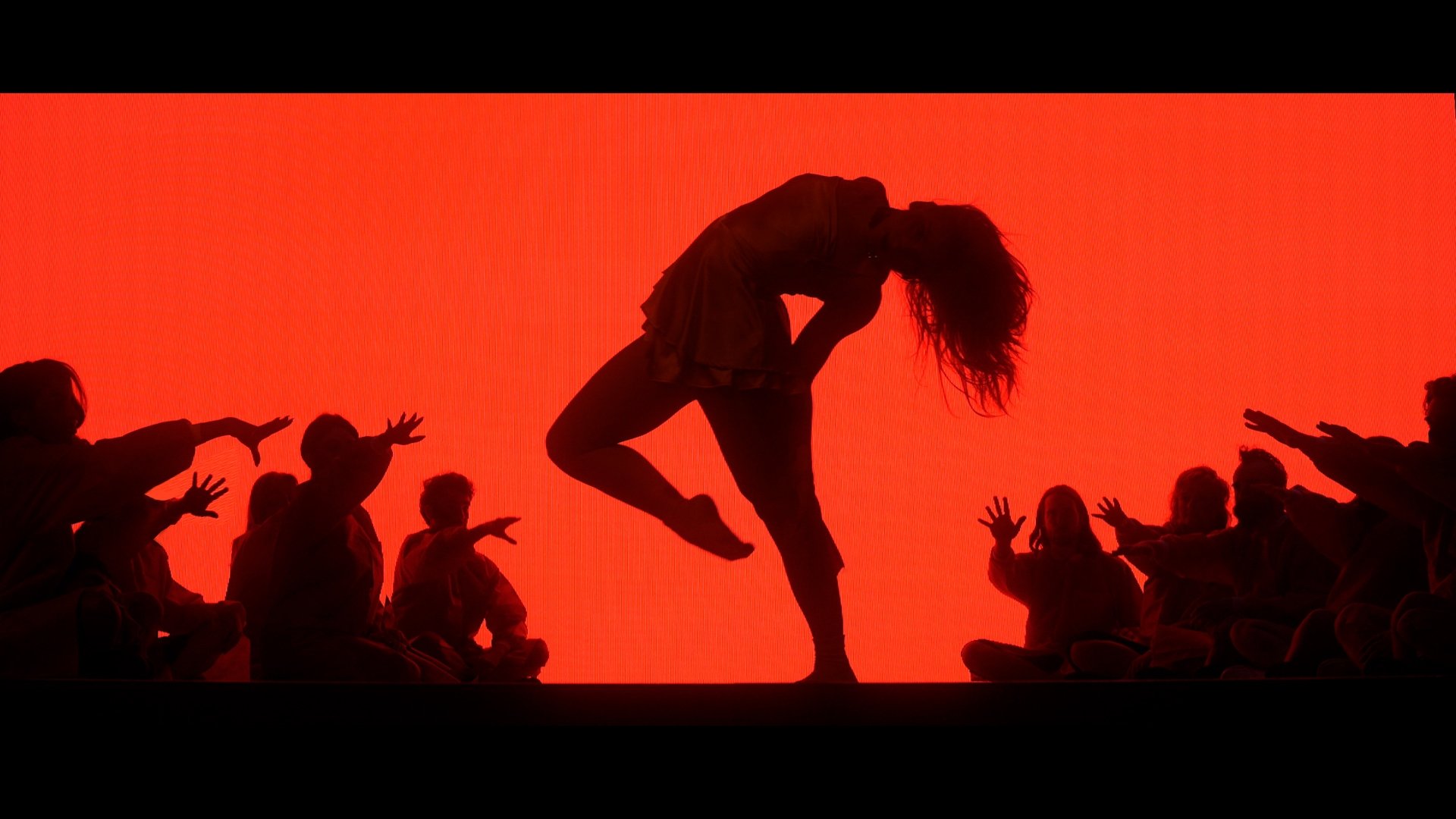
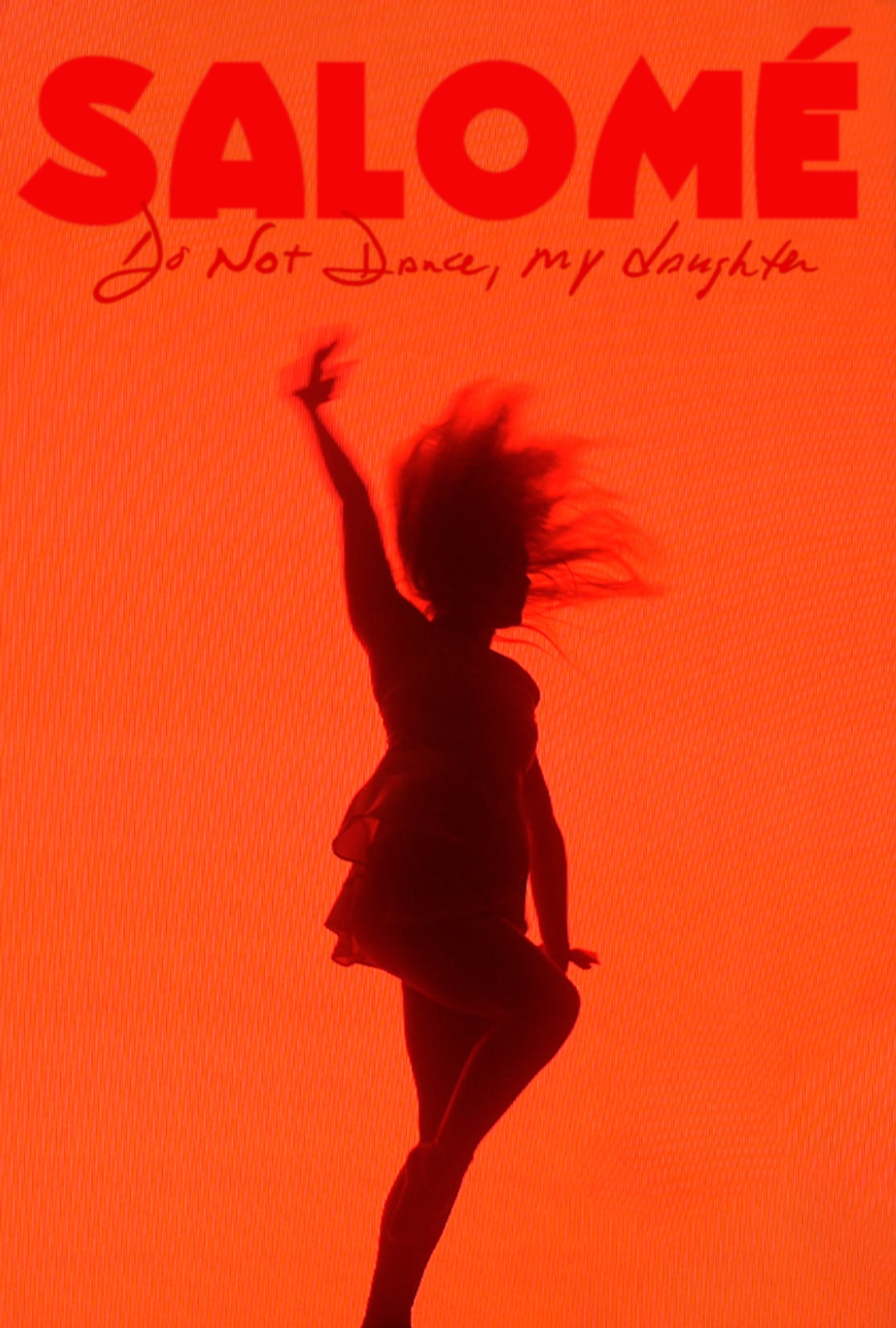
Salomé: Do Not Dance, My Daughter
Salomé: Do Not Dance, My Daughter
Insights
Plot Summary
A young woman is haunted by visions and nightmares after a traumatic event. She seeks refuge in a secluded apartment complex, but her torment follows her, blurring the lines between reality and hallucination. As she investigates the mysterious occurrences, she uncovers a dark secret connected to the building and its inhabitants.
Critical Reception
Salomé: Do Not Dance, My Daughter has received mixed to negative reviews from critics, with many finding the film to be a disappointing entry in Dario Argento's filmography. While some acknowledge Argento's signature visual style, most critics point to a convoluted plot, underdeveloped characters, and a lack of genuine scares as significant weaknesses.
What Reviewers Say
Visually striking but narratively weak, failing to deliver on its horror premise.
A confusing and slow-paced thriller that suffers from an underdeveloped plot and weak characterizations.
Fails to recapture the magic of Argento's earlier, more impactful horror films.
Google audience: Audience reviews are scarce and generally lean negative, with viewers often citing the film's confusing narrative and lack of compelling horror elements. Some expressed disappointment that it did not live up to expectations based on the director's legacy.
Fun Fact
The film's title, 'Salomé: Do Not Dance, My Daughter,' is a direct reference to the biblical story of Salome, who famously danced for King Herod, leading to the beheading of John the Baptist. This thematic connection is explored through the film's exploration of obsession and consequences.
AI-generated overview · Verify ratings on official sources