Movie spotlight
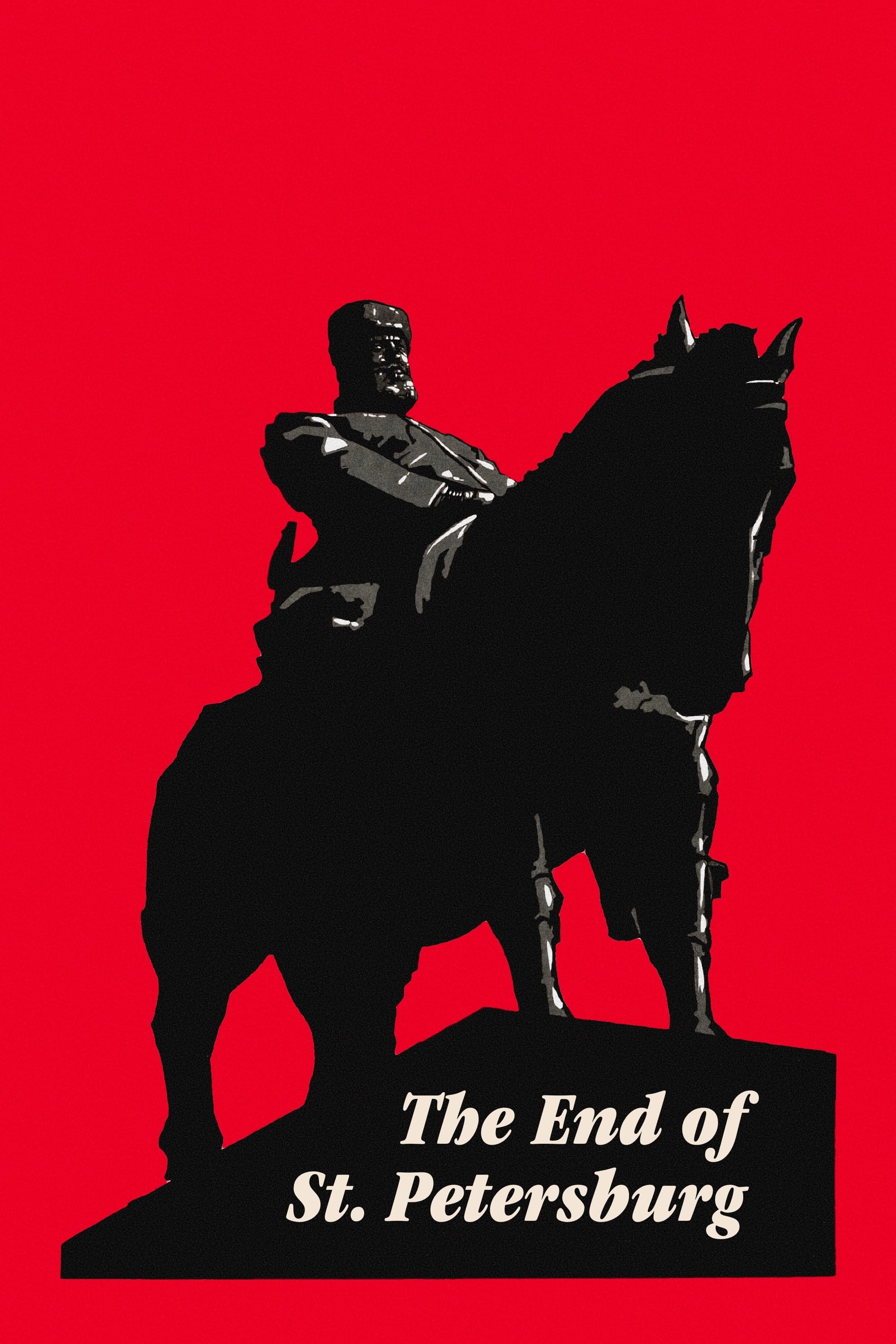
The End of St. Petersburg
Shortly before the outbreak of WWI, a peasant from rural Russia arrives in St. Petersburg to find work.
Insights
Plot Summary
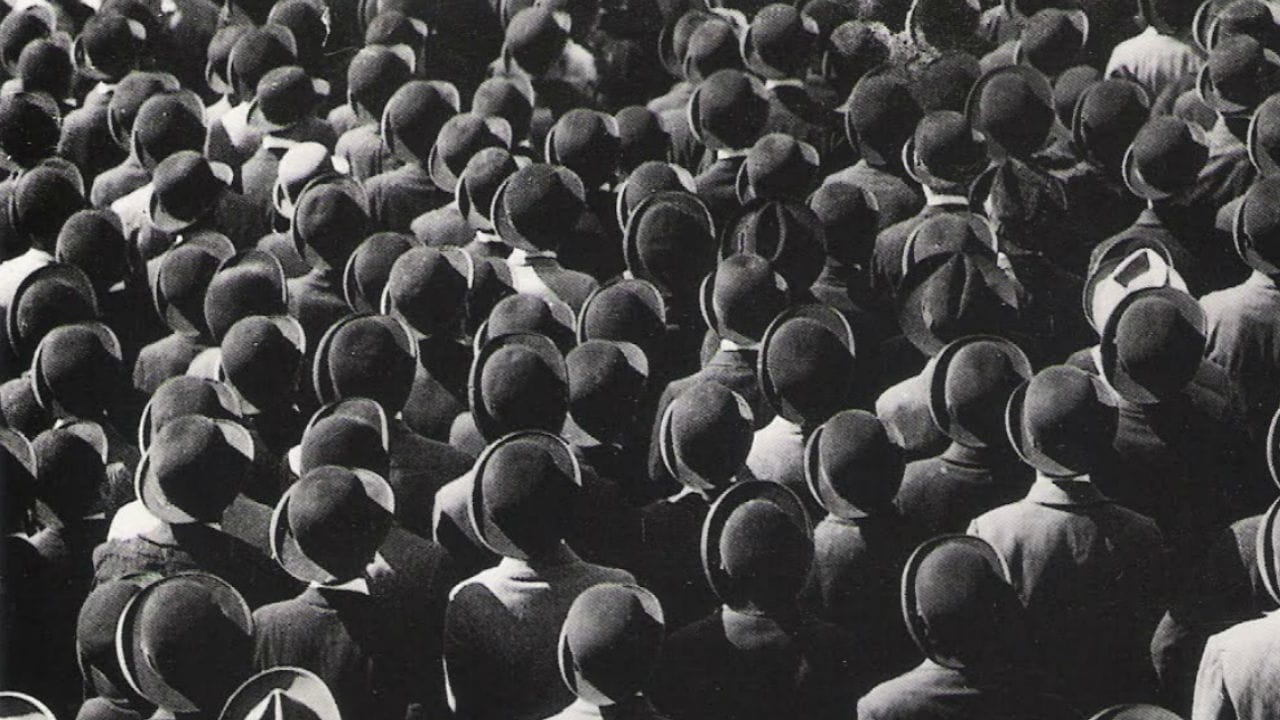
This Soviet silent film chronicles the experiences of a peasant boy drawn into the revolutionary fervor of Petrograd (formerly St. Petersburg) during World War I and the October Revolution. Initially focused on his personal struggles and ambition, the narrative expands to encompass the immense historical forces that reshape Russia. The film culminates with the storming of the Winter Palace, symbolizing the end of the Tsarist era and the dawn of a new Soviet state.
Critical Reception
As a seminal work of Soviet cinema, 'The End of St. Petersburg' was widely acclaimed for its powerful propaganda and Pudovkin's masterful direction. It is celebrated for its innovative use of montage and its dramatic portrayal of historical events from a revolutionary perspective. While its overt political messaging is apparent, its artistic merit and historical significance remain undisputed.
What Reviewers Say
Praised for its powerful propaganda and revolutionary spirit.
Acclaimed for Pudovkin's innovative cinematic techniques, especially montage.
Seen as a historically significant and artistically striking portrayal of the Russian Revolution.
Google audience: Information on Google user reviews for this silent film from 1927 is not readily available.
Awards & Accolades
None notable (as awards were not as formalized or tracked in the same way for films of this era and origin).
Fun Fact
The film was commissioned by the Soviet government to commemorate the tenth anniversary of the October Revolution and was intended to be a companion piece to Sergei Eisenstein's 'October'.
AI-generated overview · Verify ratings on official sources