
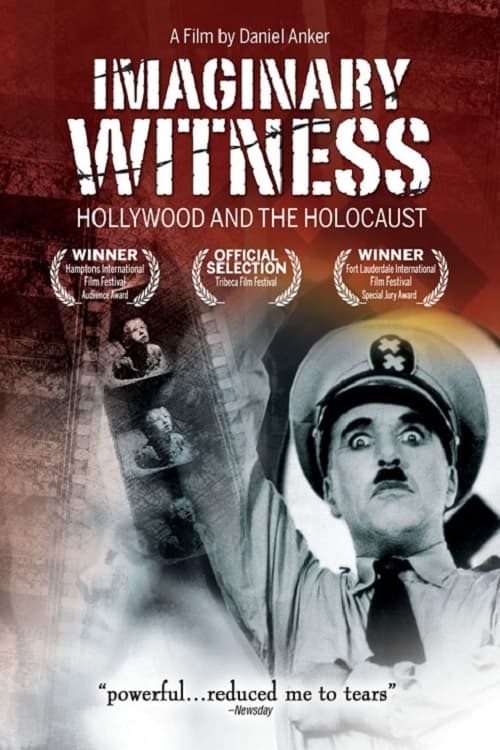
Imaginary Witness: Hollywood and the Holocaust
Daniel Anker’s 90-minute documentary takes on over 60 years of a very complex subject: Hollywood’s complicated, often contradictory relationship with Nazi Germany and the Holocaust. The questions it raises go right the very nature of how film functions in our culture, and while hardly exhaustive, Anker’s film makes for a good, thought provoking starting point.
Insights
Plot Summary
This documentary examines how Hollywood films, from the 1930s to the early 2000s, depicted the Holocaust. It explores the challenges and controversies surrounding the portrayal of this immense tragedy on screen, questioning the effectiveness and ethics of cinematic representations. The film delves into the evolution of Holocaust narratives in popular cinema and their impact on public understanding.
Critical Reception
Imaginary Witness was generally well-received by critics for its thought-provoking exploration of a sensitive topic. Reviewers praised its insightful analysis of cinematic choices and their implications, though some found its scope to be wide-ranging. The documentary was noted for its contribution to understanding how historical events are translated into popular culture.
What Reviewers Say
- Offers a compelling look at Hollywood's complex relationship with the Holocaust.
- Raises important questions about the ethics and effectiveness of cinematic portrayals of historical trauma.
- A valuable documentary for those interested in film history and the representation of difficult subjects.
Google audience: Information on Google user reviews for this specific documentary is not readily available.
Fun Fact
The documentary features interviews with filmmakers and historians who discuss their personal experiences and perspectives on depicting the Holocaust, highlighting the immense responsibility involved.
AI-generated overview · Verify ratings on official sources