
Movie spotlight
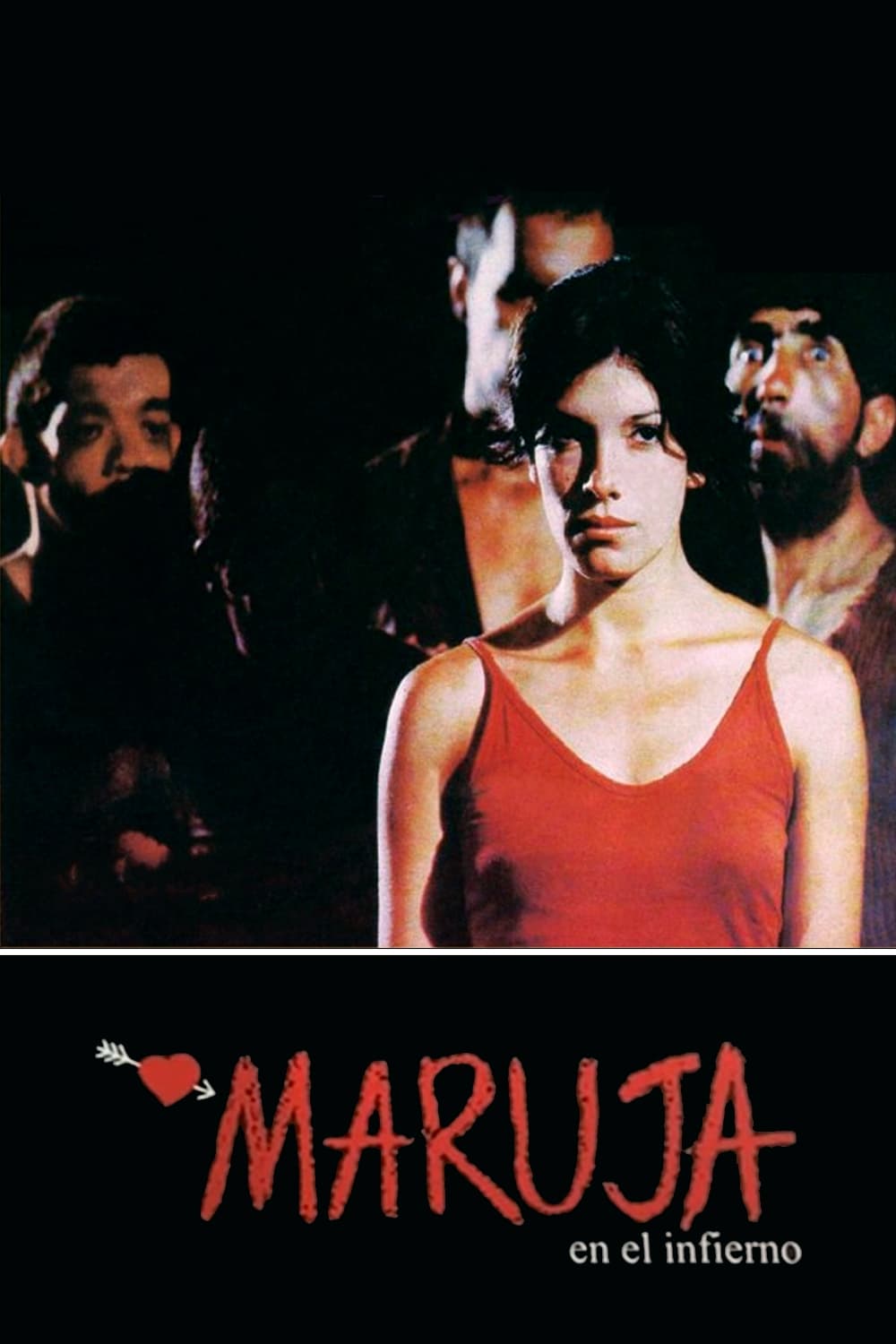
Maruja en el infierno
In an abandoned glass factory, a woman exploits her workers, all of them mentally ill. A gang of young assailants decides to rob said factory, but in order to achieve that, they must get one of them into the woman's house first. What they do know is that Maruja, the woman's goddaughter also lives there.
Insights
Plot Summary
A young woman, Maruja, living in a strict religious environment, experiences a spiritual crisis and rebellion. She struggles with societal expectations, her own desires, and the rigid dogma imposed by her family and community. The film explores her journey of self-discovery and confrontation with the hypocrisies she perceives around her.
Critical Reception
Maruja en el infierno was a notable film in Spanish cinema of the early 1980s, often praised for its bold exploration of religious and sexual themes within a conservative society. While it garnered attention for its provocative nature and performances, it also received mixed reactions, with some critics finding its execution uneven.
What Reviewers Say
Praised for its unconventional exploration of religious repression and female awakening.
Noted for its strong performances, particularly by Assumpta Serna.
Some found the film's dramatic arc and thematic development to be less impactful.
Google audience: Audience reception information is not readily available.
Fun Fact
The film was part of a period in Spanish cinema that began to openly challenge traditional social and religious norms following the Franco dictatorship.
AI-generated overview · Verify ratings on official sources