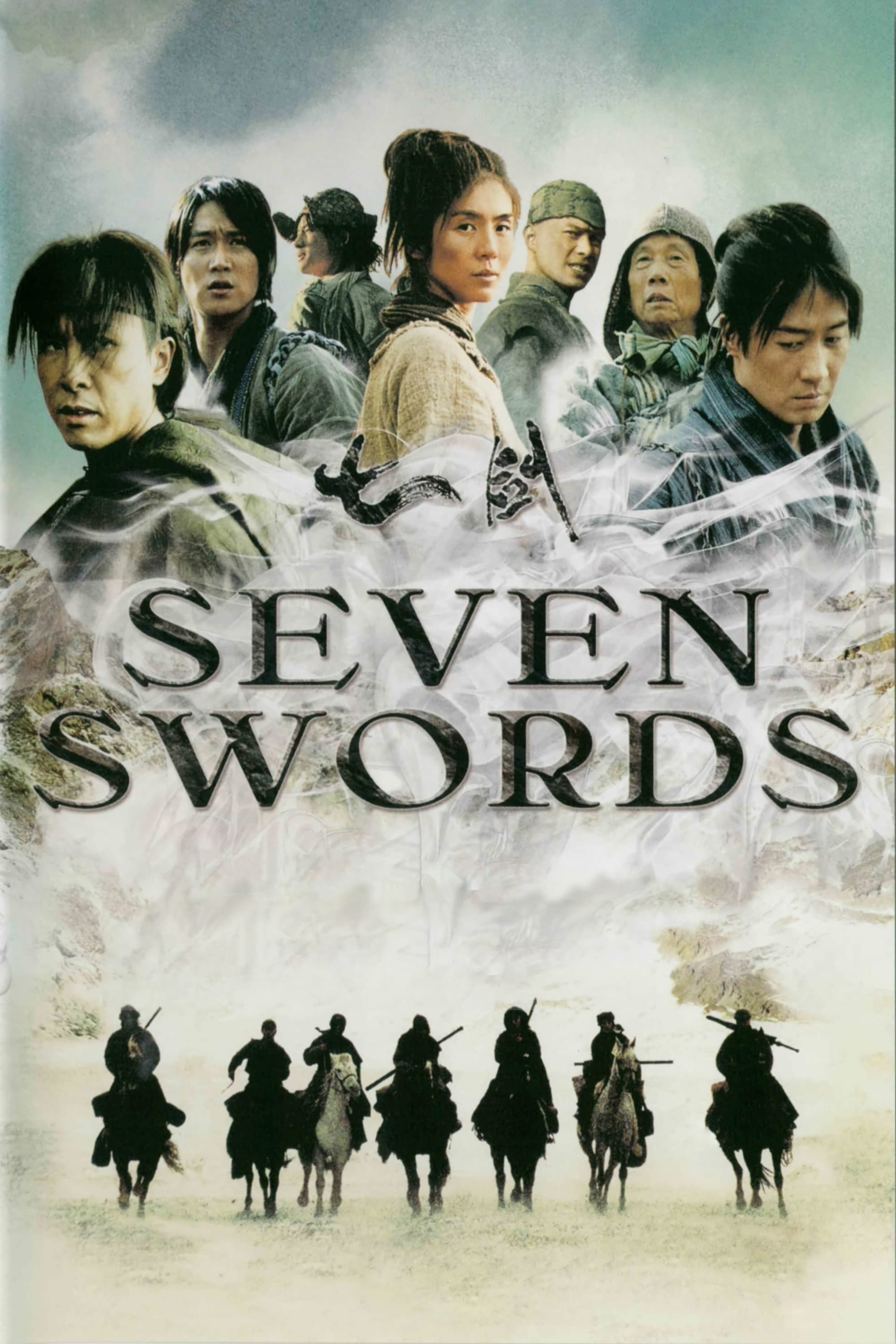

Seven Swords
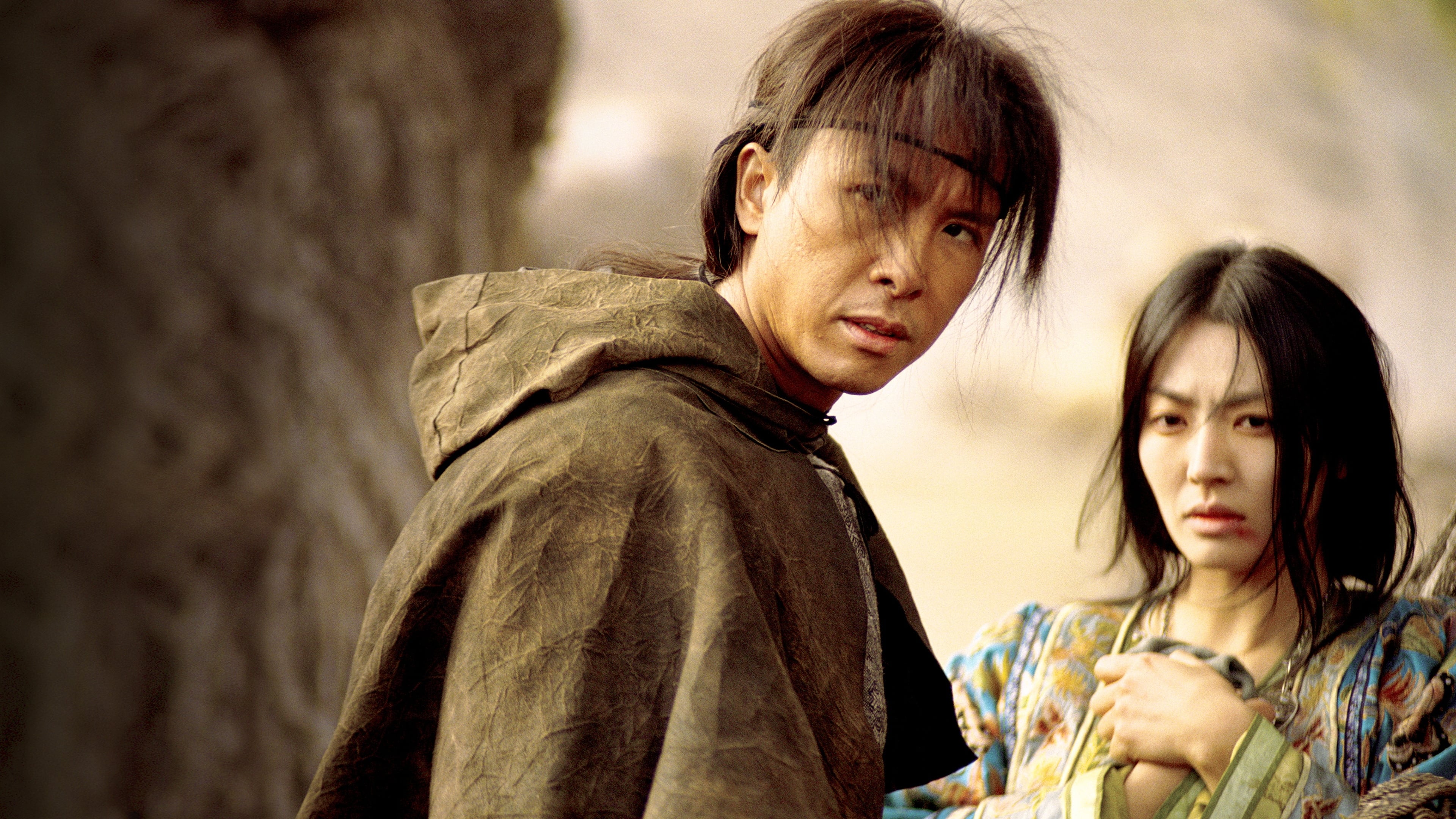
In the middle of the 17th century, the Manchus conquered China and founded the Ching dynasty. Due to widespread uprisings against the new rulers, the study and practice of traditional martial arts is forbidden and punishable by death. The unscrupulous leader of a troop of mercenaries takes advantage of this situation to make a fortune with the bounty on his head.
Insights
Plot Summary
In the Qing Dynasty, the oppressive government outlaws martial arts, leading to the persecution of swordsmen. A retired general, known as "Fire"," and his followers take on seven skilled swordsmen to defend their homeland against the corrupt government's ruthless warrior, Shadow Gate. The film follows their journey as they unite to fight for freedom and justice against overwhelming odds.
Critical Reception
Seven Swords received mixed to positive reviews, with many critics praising Tsui Hark's visually stunning direction and elaborate action sequences. However, some found the plot to be convoluted and the film's pacing uneven, particularly in its lengthy runtime.
What Reviewers Say
- Visually spectacular with grand action set pieces.
- Character development and plot coherence are often sacrificed for spectacle.
- A visually ambitious but narratively flawed martial arts epic.
Google audience: Audiences generally appreciated the film's impressive visual style and thrilling fight choreography, though some felt the story could have been more focused and engaging.
Awards & Accolades
Nominated for Best Action Choreography at the Hong Kong Film Awards and Best Cinematography at the Golden Horse Awards.
Fun Fact
The film was inspired by the wuxia novel 'The Seven Grandmasters' by Liang Yusheng and features a blend of traditional wuxia elements with Tsui Hark's signature stylistic flair.
AI-generated overview · Verify ratings on official sources