Movie spotlight
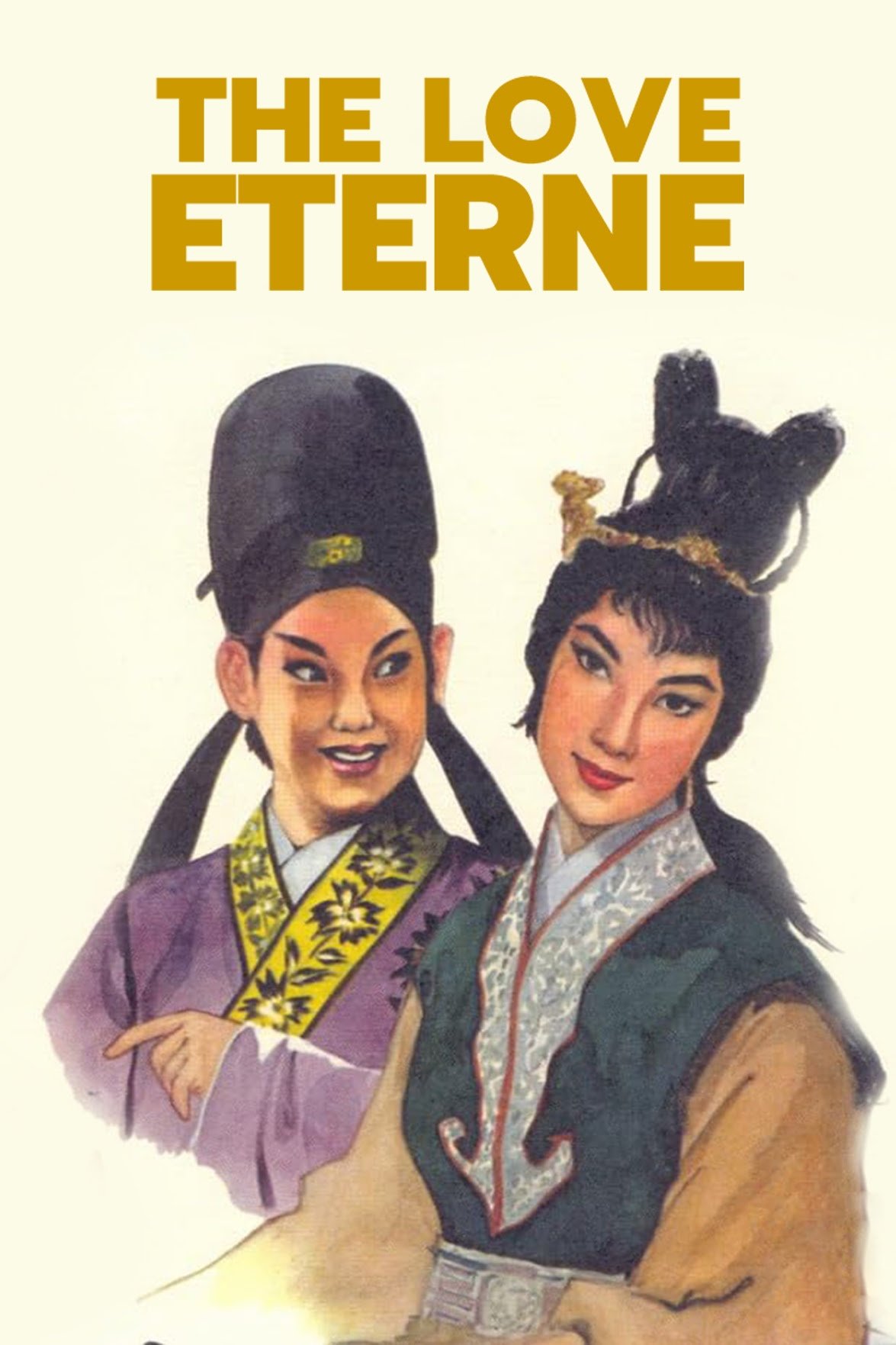
The Love Eterne
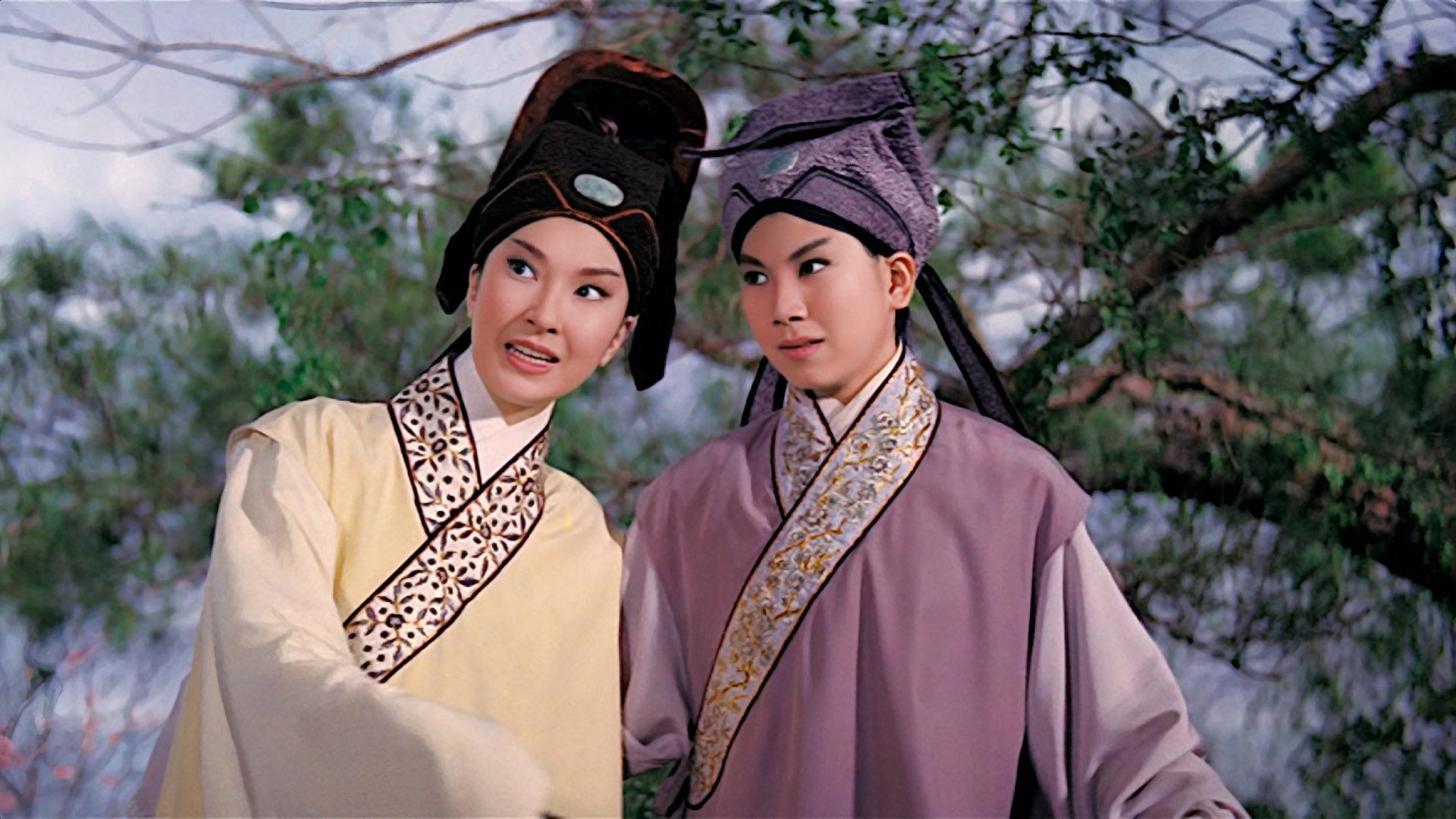
In this dreamy romance set in China during the fourth-century, a young woman convinces her parents to allow her to dress as a boy and attend university.
Insights
Plot Summary
In this classic Huangmei opera film, scholar Liang Shan-po falls in love with Chu Ying-tai, who disguises herself as a man to attend school. Their profound connection deepens as they spend time together, but societal expectations and the revelation of Ying-tai's true identity lead to a tragic separation. The film culminates in a poignant and iconic ending where their spirits are transformed into butterflies.
Critical Reception
The Love Eterne was a monumental success, both critically and commercially, establishing itself as a landmark in Chinese-language cinema. It was lauded for its beautiful musical numbers, stunning visuals, and heartfelt performances, particularly Betty Loh Ti's. The film resonated deeply with audiences for its timeless tale of love, sacrifice, and devotion, and it remains one of the most beloved and influential films of its genre.
What Reviewers Say
Praised for its exquisite musical performances and vibrant cinematography.
Acclaimed for its emotionally resonant portrayal of tragic love and devotion.
Celebrated as a quintessential example of the Huangmei opera film genre.
Google audience: N/A
Awards & Accolades
Won Best Film and Best Actress (Betty Loh Ti) at the 10th Asian Film Festival.
Fun Fact
The film's iconic ending scene, where the lovers transform into butterflies, was achieved with innovative special effects for its time, contributing significantly to its lasting impact.
AI-generated overview · Verify ratings on official sources