
Movie spotlight
Thirteen Days
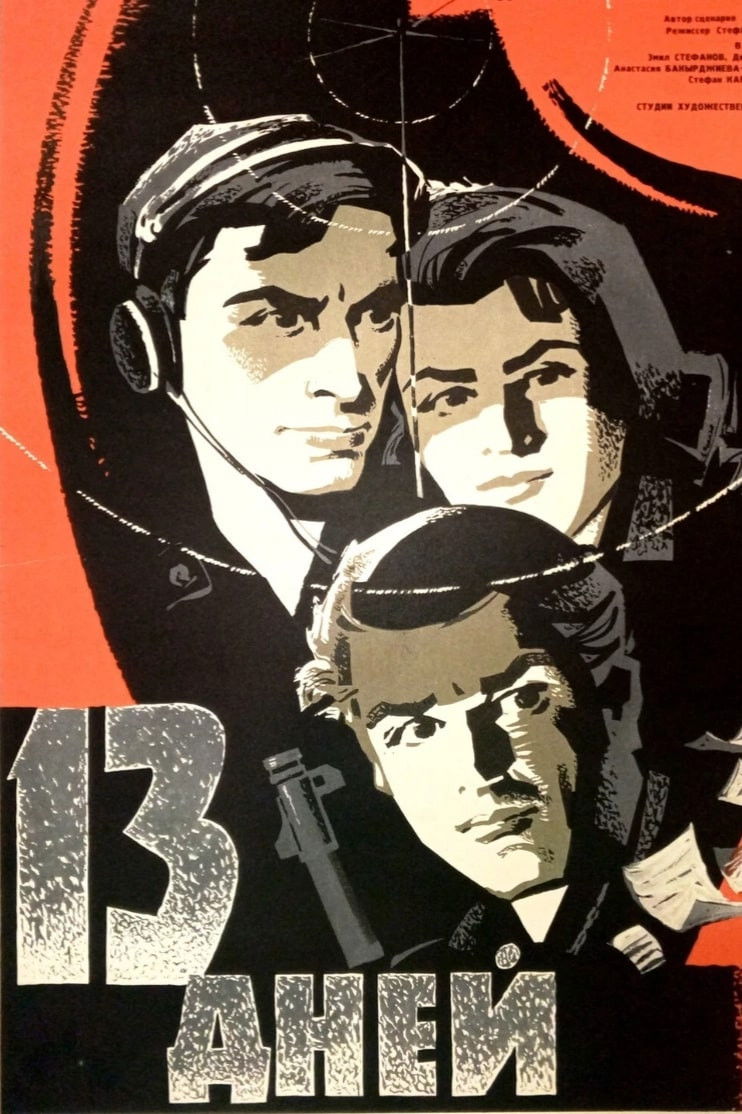
The Soviet army is approaching the Bulgarian border. Many government ministers and army officers prepare to flee the country. The partisans take over the key administrative buildings. At the War Ministry, the commander of the armored brigade Major Essev hesitates between his sense of honor as an officer and his patriotic duty. He takes the side of the partisans.
Insights
Plot Summary
During the Cuban Missile Crisis of 1962, President John F. Kennedy and his advisors engage in a tense diplomatic and military struggle with the Soviet Union over the placement of nuclear missiles in Cuba. The film follows the harrowing thirteen days when the world teetered on the brink of nuclear war, focusing on the difficult decisions and high-stakes negotiations that ultimately averted catastrophe. It highlights the immense pressure on the President and his team as they navigate the crisis, seeking a peaceful resolution while preparing for the worst-case scenario.
Critical Reception
Thirteen Days was generally well-received by critics, who praised its historical accuracy, tense atmosphere, and strong performances, particularly from Bruce Greenwood as JFK. While some noted it was a somewhat conventional portrayal of the event, the film was largely seen as an effective and gripping docudrama that successfully conveyed the gravity of the Cuban Missile Crisis. Audiences also responded positively, appreciating its educational value and suspenseful narrative.
What Reviewers Say
Praised for its historical accuracy and tense portrayal of the Cuban Missile Crisis.
Bruce Greenwood's performance as JFK was widely acclaimed.
A compelling and suspenseful political thriller that effectively captures the gravity of the situation.
Google audience: Google users largely appreciated the film's historical significance and its ability to create suspense, with many highlighting the compelling performances and the dramatic reenactment of the crisis. Some viewers felt it was a bit long, but the overall sentiment was positive regarding its educational and dramatic impact.
Awards & Accolades
Nominated for an Academy Award for Best Film Editing. Received a Writers Guild of America Award nomination for Best Adapted Screenplay.
Fun Fact
The film meticulously recreated the Oval Office and other White House settings of the early 1960s based on historical photographs and blueprints, aiming for an authentic visual representation of the era.
AI-generated overview · Verify ratings on official sources