Movie spotlight
Forms of Forgetting
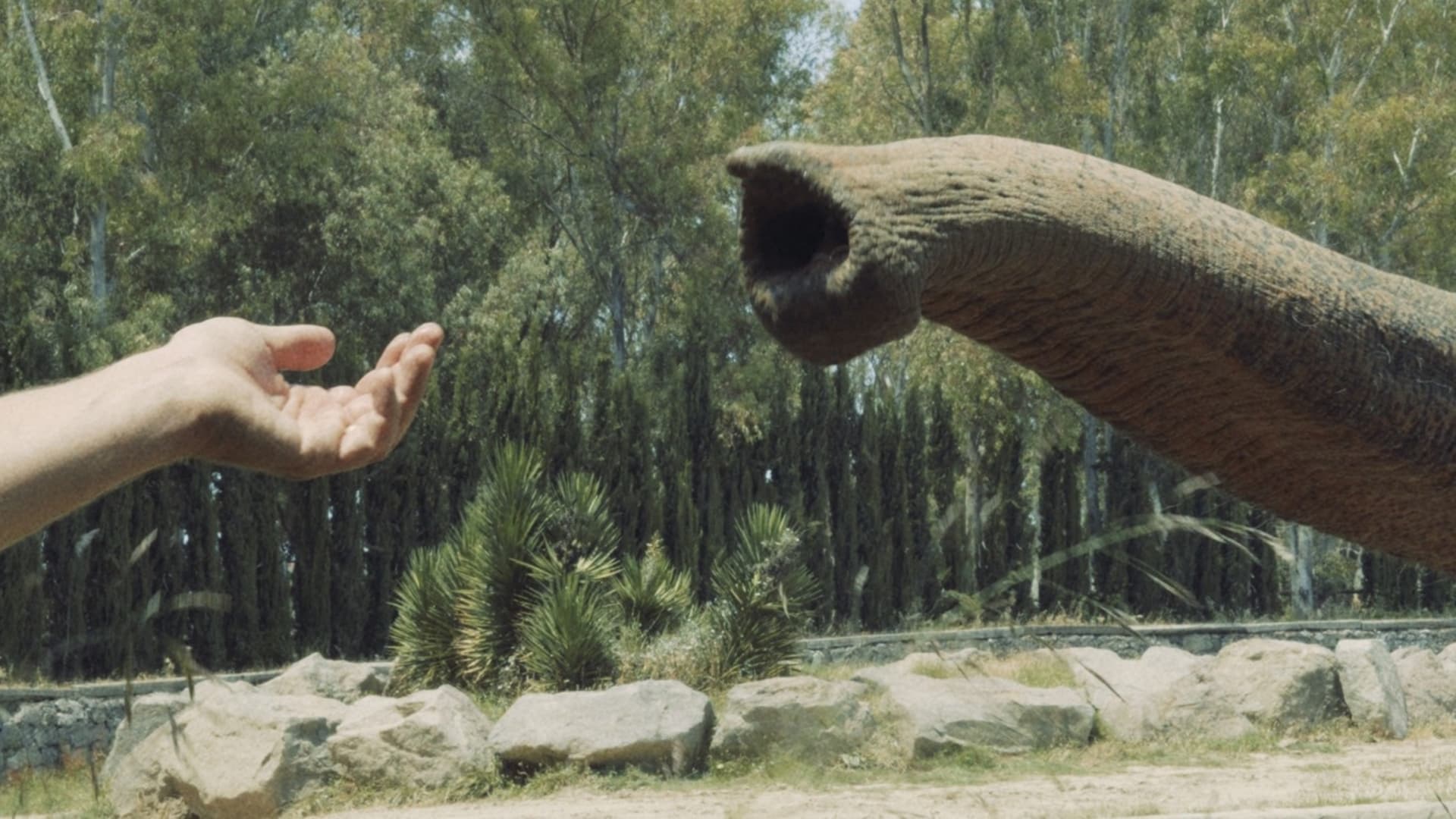
Nesrin and Erdem talk about their relationship, which they don’t remember in exactly the same way. Çevik’s visually stunning essay uses their conversations to forge a pensive treatise on what it means to forget, where word and image play an equal role.
Insights
Plot Summary
This documentary explores the complex relationship between memory, identity, and the passage of time, particularly through the lens of family history and personal experience. It delves into how individuals and societies construct narratives of the past, and the inherent unreliability and selective nature of remembrance. The film uses personal archives, interviews, and archival footage to create a layered portrait of remembrance and its challenges.
Critical Reception
Forms of Forgetting has been noted for its introspective and artistic approach to the subject of memory. Critics have highlighted its unique visual style and its ability to evoke a profound sense of personal and collective reflection. While its experimental nature may not appeal to all viewers, it has been recognized for its thought-provoking exploration of documentary form and the subjective nature of history.
What Reviewers Say
Praised for its visually compelling and deeply personal exploration of memory.
Appreciated for its artistic and experimental approach to documentary filmmaking.
Considered a thought-provoking reflection on the construction of personal and collective histories.
Google audience: Information on specific Google user reviews for 'Forms of Forgetting' is not readily available.
Fun Fact
The film was developed over several years, with the directors drawing heavily on personal family archives and an ongoing dialogue about their own memories and the process of forgetting.
AI-generated overview · Verify ratings on official sources