Movie spotlight
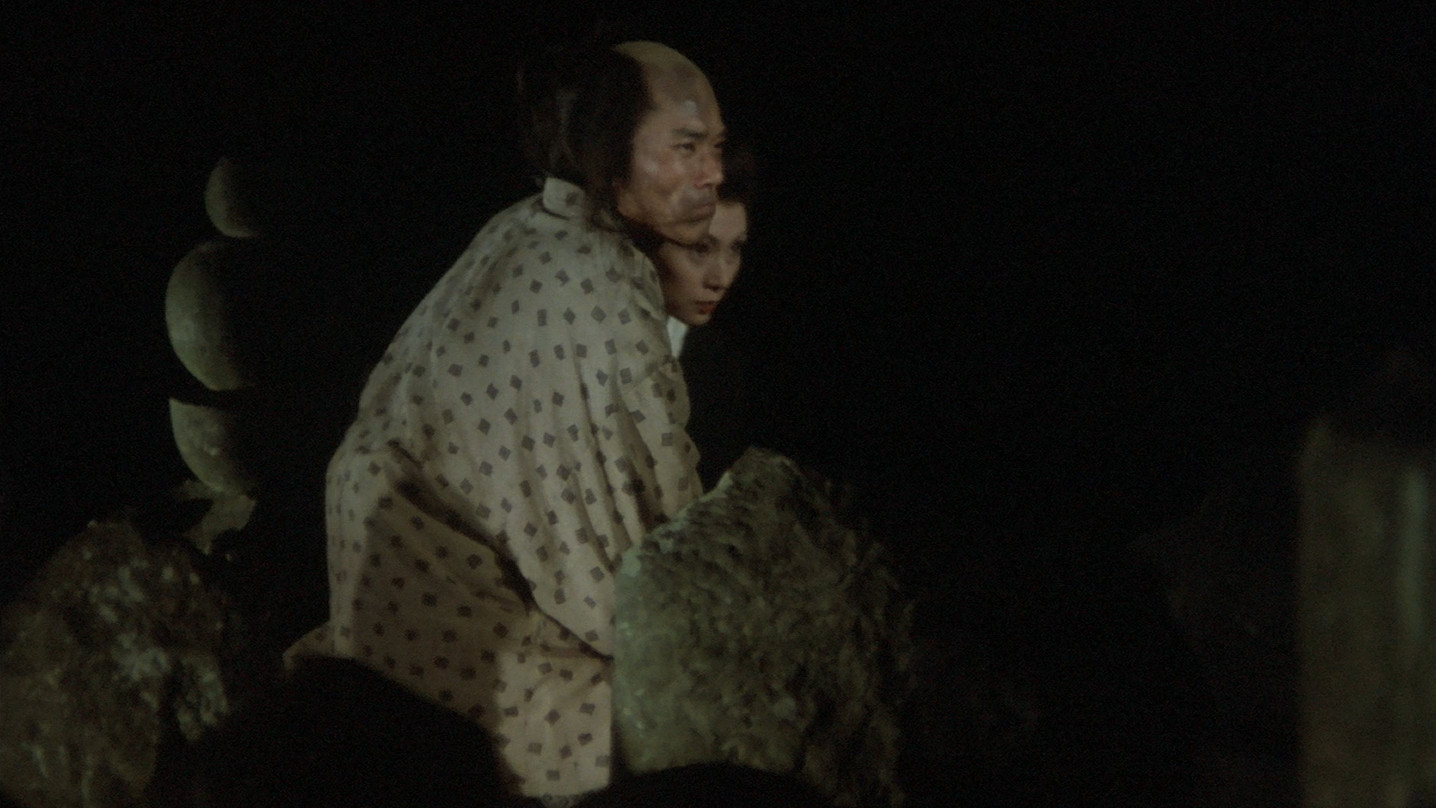
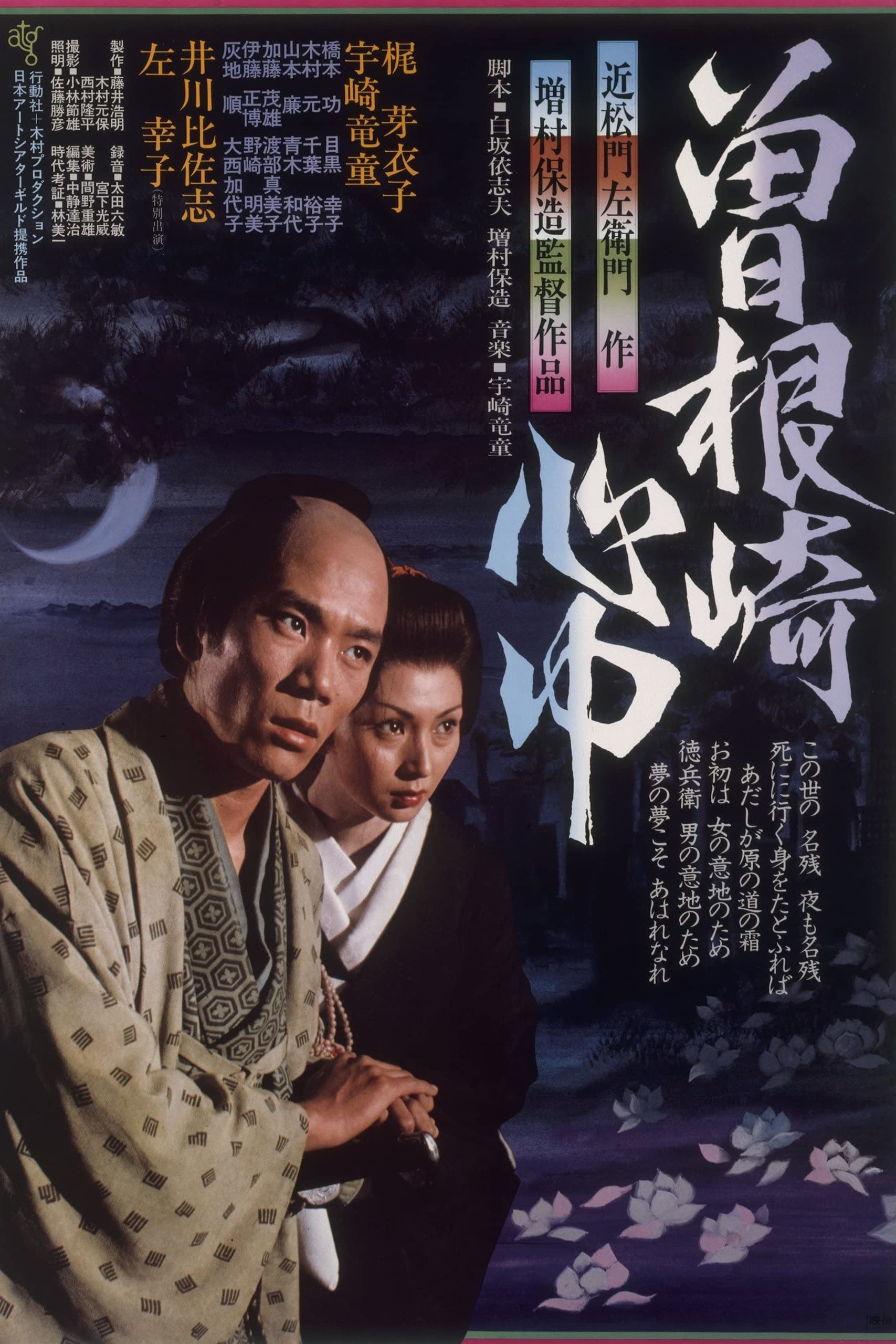
Double Suicide of Sonezaki
Suicide has long been used as a form of social protest in Japan. In this film, set in 1703, samurai culture is being transformed by the emergence of a new merchant class. Elements of the social contract are beginning to unravel, and some unscrupulous people took undue advantage of these changes before the social order was re-created. In this story, a rich merchant gives his clerk an I.O.U. instead of wages. When the impoverished clerk presents the paper to the merchant at the agreed upon time asking for payment, the man flies into a rage and pretends he never wrote it and claims the clerk is trying to defraud him. Then he sets his henchmen on the clerk to administer a beating.
Insights
Plot Summary
Based on the classic Chikamatsu Monzaemon play, this film tells the tragic story of Tokubei, a merchant's son, and Ohatsu, a teahouse waitress. Their love is forbidden due to social class and marital obligations, leading them to seek a double suicide.
Critical Reception
While the 1978 film adaptation of 'Double Suicide of Sonezaki' by Kichiemon Maekawa is less widely discussed than its 1969 counterpart, it is generally appreciated for its faithful rendition of Chikamatsu Monzaemon's tragic narrative. Critics often note its adherence to the traditional themes of love, duty, and societal constraints.
What Reviewers Say
Faithful adaptation of a classic Kabuki play.
Explores themes of love, duty, and social injustice.
Visually adheres to traditional Japanese aesthetics.
Google audience: Information regarding Google user reviews for this specific 1978 adaptation is not readily available.
Fun Fact
The original play 'The Love Suicide at Sonezaki' by Chikamatsu Monzaemon is considered one of the most famous and influential works in Japanese literature and Kabuki theatre, inspiring numerous adaptations across different media.
AI-generated overview · Verify ratings on official sources