
Movie spotlight
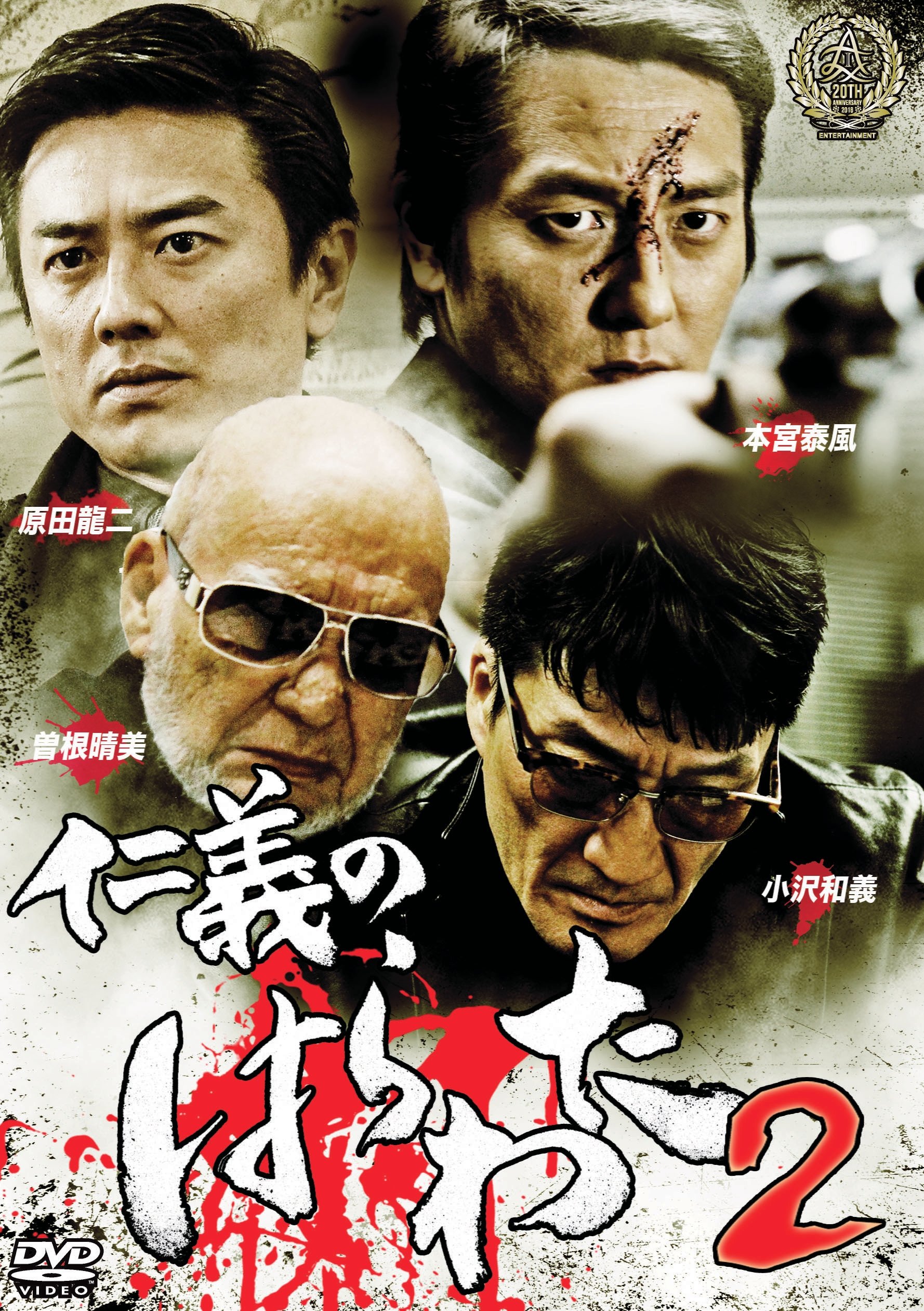
Jingi no Harawata 2
Newly appointed 7th-generation head of the Takematsu Union’s Kurumaya faction, Atsumi Toraji (Kazuyoshi Ozawa), recklessly squanders drug money on partying and harms Noboru, the underling of his sworn brother Hiroshi (Yasukaze Motomiya), ignoring the pleas of Hiroshi and Sakura (Yuma Asami). Despite growing resentment among Hiroshi’s men, Hiroshi can’t abandon Toraji, his elder brother-in-arms. But when Toraji causes an incident, the third-generation head of the Tago family, Dazai (Ryuji Harada), severs ties with Kurumaya. Hiroshi rushes to apologize but is turned away. Enraged by Hiroshi’s actions, Toraji expels him and his men. Now alone, Toraji begins to put a mysterious plan into motion...
Insights
Plot Summary
Following the events of the first film, the yakuza world is thrown into chaos as a power vacuum emerges. Various factions vie for control, leading to escalating violence and betrayals. A former associate, seeking revenge and a new path, finds himself entangled in the brutal power struggle.
Critical Reception
Jingi no Harawata 2 was generally met with mixed to positive reviews from critics and audiences, particularly within its niche of V-Cinema fans. Praised for its gritty action and commitment to its violent, crime-drama roots, it was seen as a solid continuation of the original's themes and style. Some critics found the plot occasionally convoluted, but the performances and visceral nature of the film were often highlighted.
What Reviewers Say
Praised for its authentic depiction of yakuza culture and intense action sequences.
Performances, especially from the lead cast, are often highlighted as a strong point.
Some viewers found the plot to be predictable or overly reliant on genre tropes.
Google audience: Audience reviews often commend the film's raw energy and straightforward, no-nonsense approach to crime storytelling. Many appreciate the continuation of the narrative from the first installment and the effective portrayal of the yakuza underworld.
Fun Fact
The film is part of the V-Cinema (Video Cinema) genre, a category of direct-to-video films produced in Japan that often feature gritty crime stories and low-budgets, popular from the late 1980s through the 1990s and into the 2000s.
AI-generated overview · Verify ratings on official sources