The Face of Jizo
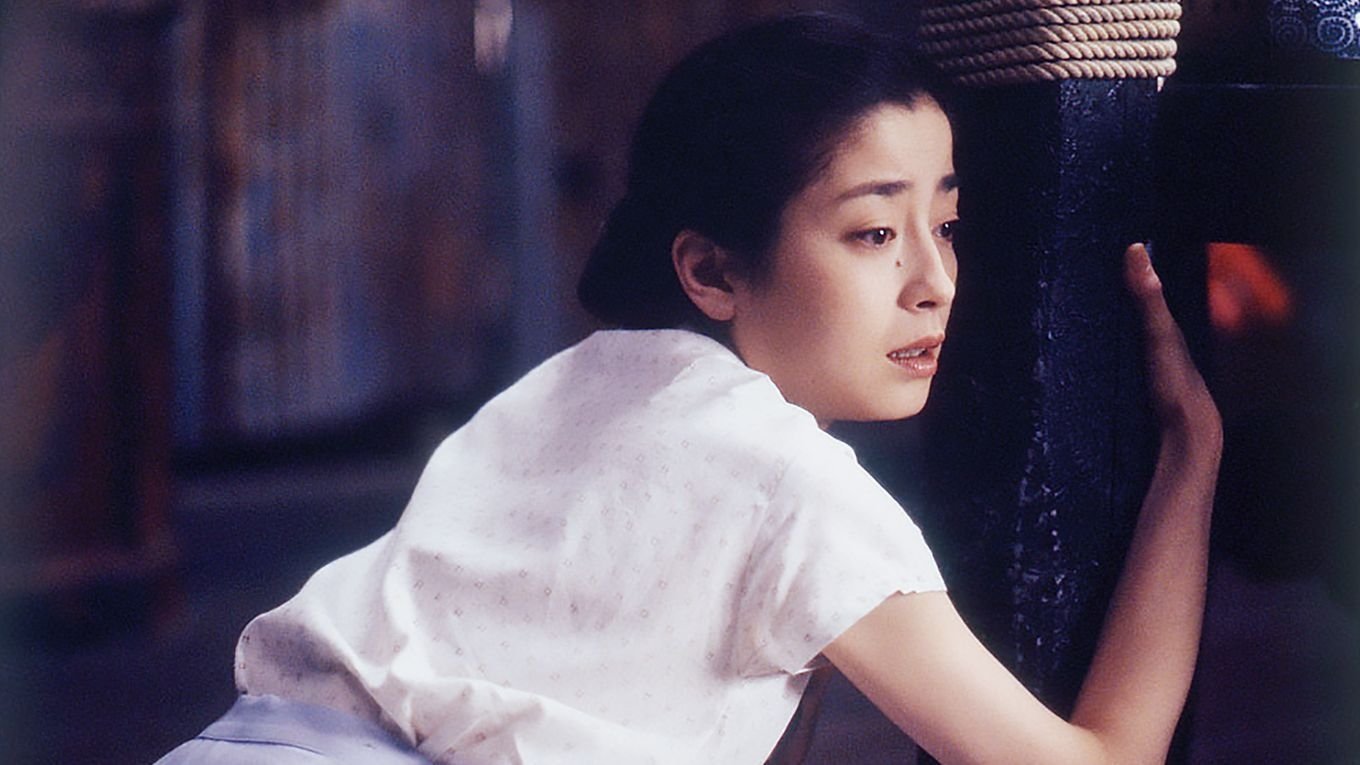
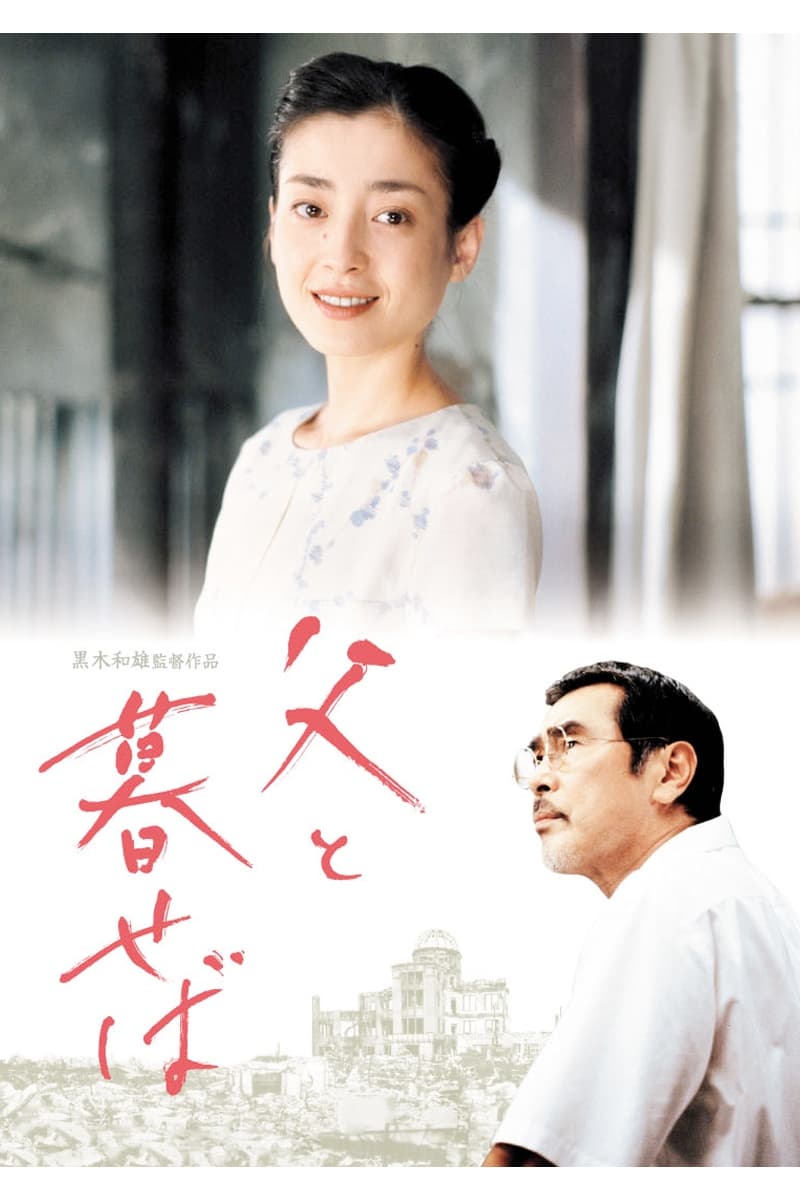
Based on a play by Hisashi Inoue, it focuses on the sufferings of the survivors of Hiroshima. The film takes place during 4 days in the summer of 1948, as the ghost of her father visits Mitsué (Rié Miyama). He had somehow learned that she has fallen in love, and tries to convince her to start her new life. But Mitsué obstinately refuses his warm and humorous encouragements : « People were killed in my place. I do not have the right to find happiness », she says.
Insights
Plot Summary
Set in a small Japanese village in the aftermath of World War II, 'The Face of Jizo' tells the poignant story of a woman grappling with the loss of her son, who perished in the atomic bombing of Hiroshima. As she tends to a Jizo statue, a symbol of protection for children, she is drawn into a complex web of personal grief, communal memory, and the lingering trauma of war. The film explores the profound impact of the bombing on individuals and the community's struggle to find peace and rebuild their lives.
Critical Reception
The Face of Jizo' received critical acclaim for its sensitive portrayal of war's aftermath and its powerful emotional resonance. Reviewers lauded director Yasuzo Masumura's masterful direction and the film's ability to convey the deep sorrow and resilience of the Japanese people in the face of immense tragedy. The performances were widely praised for their authenticity and depth, contributing to the film's status as a significant work in Japanese cinema.
What Reviewers Say
- Profoundly moving exploration of grief and the enduring scars of war.
- A testament to the resilience of the human spirit in the face of unimaginable loss.
- Masterfully directed with powerful and authentic performances.
Google audience: Audience reception information is not widely available through Google user reviews for this particular film.
Awards & Accolades
While 'The Face of Jizo' is highly regarded within film circles and has been screened at various festivals, it does not appear to have garnered major, widely publicized awards.
Fun Fact
The Jizo statues prominently featured in the film are traditionally placed in Japan to protect children, and they often wear small, handmade red bibs and caps as a sign of comfort and devotion.
AI-generated overview · Verify ratings on official sources