
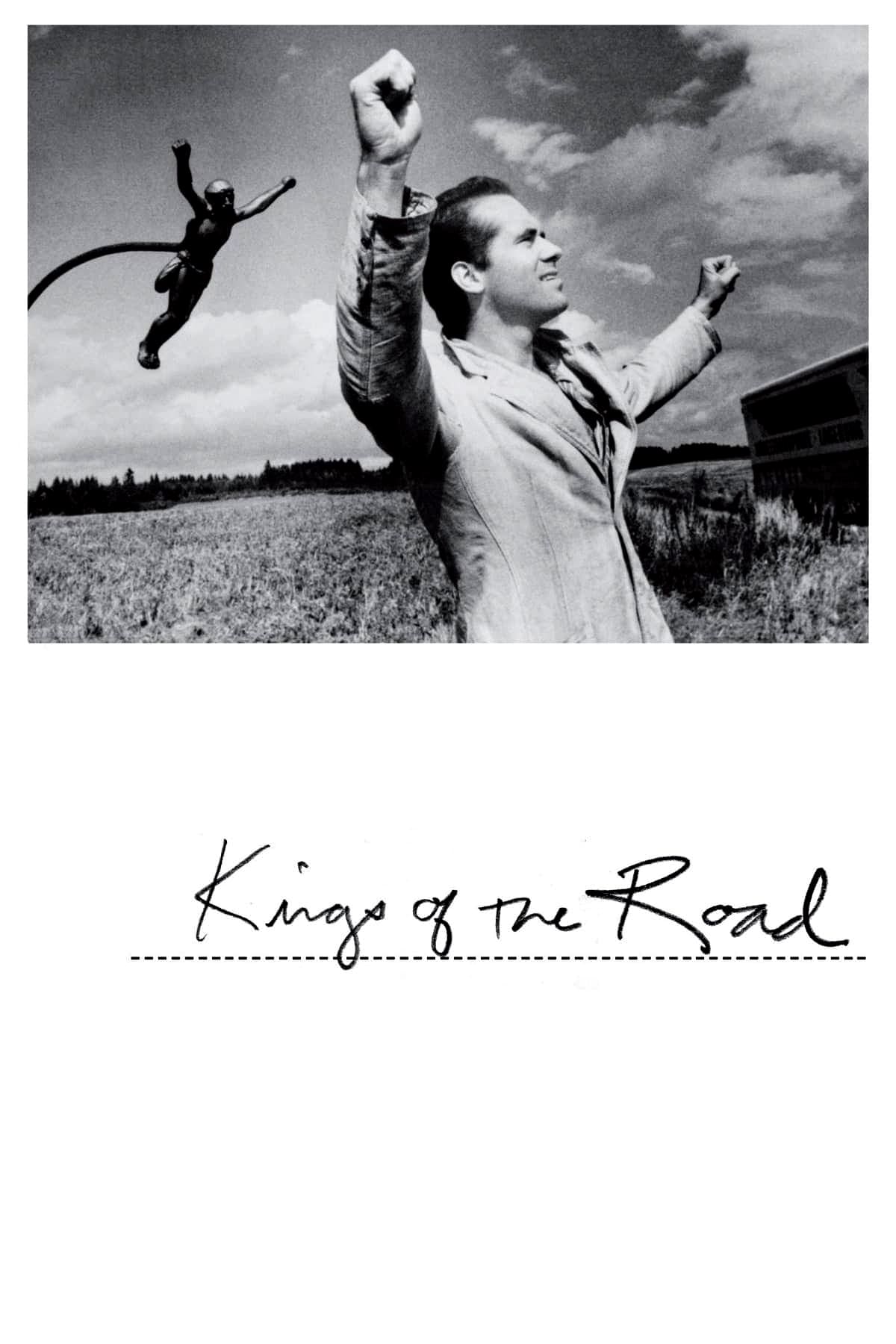

Kings of the Road
Itinerant projection-equipment repairman Bruno Winter and depressed hitchhiker Robert Lander - a doctor who has just been through a break-up with his wife and a half-hearted suicide attempt - travel along the Western side of the East-German border in a repair truck, visiting worn-out movie theaters, learning to communicate across their differences.
Insights
Plot Summary
Two disconnected men, a traveling cinema mechanic and a somewhat aimless psychologist, traverse the German countryside in their battered vehicles. Their journeys intersect, leading to a series of encounters and conversations that explore themes of loneliness, friendship, and the search for meaning in a changing world. As they drift from town to town, they form an unlikely bond amidst the fading landscapes and decaying cinemas of West Germany.
Critical Reception
Kings of the Road is widely considered a masterpiece of the New German Cinema, lauded for its profound observations on human connection and the melancholic beauty of its setting. Critics praised Wenders' deliberate pacing and evocative cinematography, though some found its length and introspective nature challenging. Audiences have embraced its meditative qualities and authentic portrayal of existential drift.
What Reviewers Say
- Praised for its poetic and melancholic exploration of male friendship and existential loneliness.
- Hailed as a visually stunning and deeply reflective road movie that captures a specific time and place.
- Appreciated for its authentic portrayal of characters searching for connection in a fragmented world.
Google audience: While specific Google user ratings are not readily available, general audience reception often highlights the film's contemplative nature and its lingering emotional impact. Viewers frequently connect with the characters' journeys and the film's atmospheric depiction of rural Germany.
Awards & Accolades
Nominated for the Golden Bear at the 26th Berlin International Film Festival.
Fun Fact
The film was shot on location across rural West Germany, with Wenders deliberately seeking out decaying cinemas and desolate landscapes to enhance the movie's themes of obsolescence and isolation.
AI-generated overview · Verify ratings on official sources