
Movie spotlight
Quentin Crisp
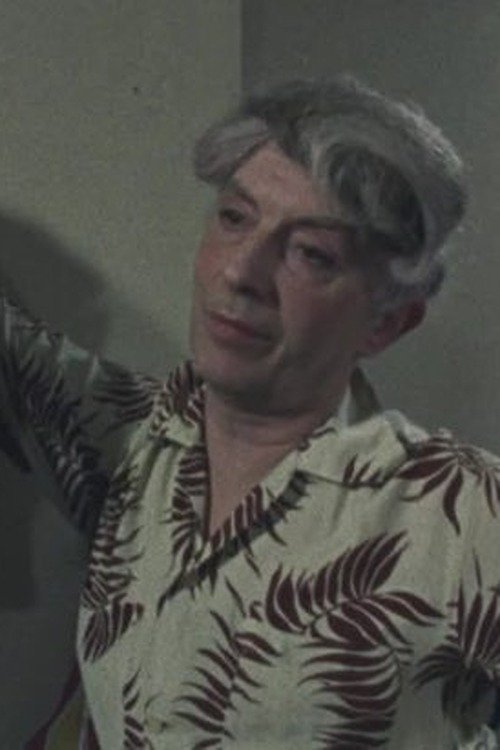
Five years before the TV adaptation of The Naked Civil Servant made him a household name, Quentin Crisp - dandy, raconteur, life model and former prostitute - welcomed celebrated filmmaker Denis Mitchell into his dusty London bedsit. Crisp recalls the violence and fascination his extraordinary appearance once provoked, offers tips on avoiding housework and subsisting on a diet of stout and meal replacement powder, and ruminates on life as a "minority within a minority - an effeminate homosexual".
Insights
Plot Summary
This biographical drama chronicles the life of Quentin Crisp, a flamboyant and outspoken gay man living in London during the mid-20th century. Despite facing societal prejudice and legal challenges, Crisp maintained his distinctive style and wit. The film explores his experiences as an artist, writer, and a public figure who embraced his individuality.
Critical Reception
The Naked Civil Servant was critically acclaimed for its sensitive portrayal of Quentin Crisp and John Hurt's powerful performance. It shed light on the struggles of the LGBTQ+ community at a time when homosexuality was still largely taboo. The film is often cited as a landmark in television drama for its honest and unflinching depiction of Crisp's life.
What Reviewers Say
Praised for John Hurt's compelling and transformative performance as Quentin Crisp.
Commended for its candid and sympathetic exploration of LGBTQ+ life in mid-20th century Britain.
Considered a significant and groundbreaking television drama for its time.
Google audience: Information not available.
Awards & Accolades
John Hurt was nominated for a BAFTA Award for Best Television Actor for his role.
Fun Fact
The film was based on Quentin Crisp's autobiography of the same name, published in 1968.
AI-generated overview · Verify ratings on official sources