
Insights
Plot Summary
In a remote Japanese village, a young woman named Kiyoko is haunted by the spirit of her deceased mother, who was a famous dancer. Kiyoko struggles to reconcile her mother's legacy with her own desires, leading to a tragic entanglement with a mysterious stranger and a local storyteller. The film explores themes of inherited trauma, artistic ambition, and the blurring lines between reality and illusion.
Critical Reception
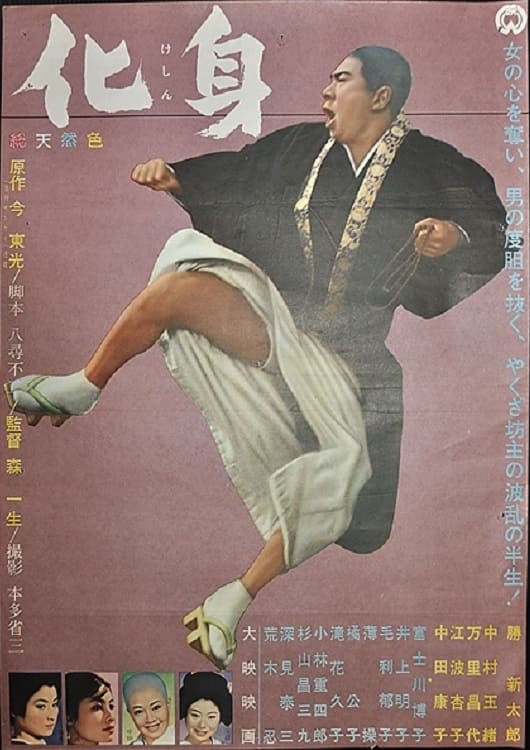
Keshin (also known as 'The Soul of Japanese Animals') was a unique and visually striking film for its time, blending elements of Japanese folklore with psychological drama. While not widely released internationally, it garnered attention for its artistic direction and thematic depth, particularly within arthouse cinema circles.
What Reviewers Say
Praised for its surreal atmosphere and evocative imagery.
Noted for its ambitious exploration of psychological themes and folklore.
Considered a lesser-known but artistically significant work by Kinugasa.
Google audience: Information on Google user reviews for Keshin is not readily available.
Fun Fact
Teinosuke Kinugasa, the director of Keshin, was also known for his earlier critically acclaimed film 'Gate of Hell' (1953), which was one of the first Japanese films shot in Eastmancolor.
AI-generated overview · Verify ratings on official sources