
Insights
Plot Summary
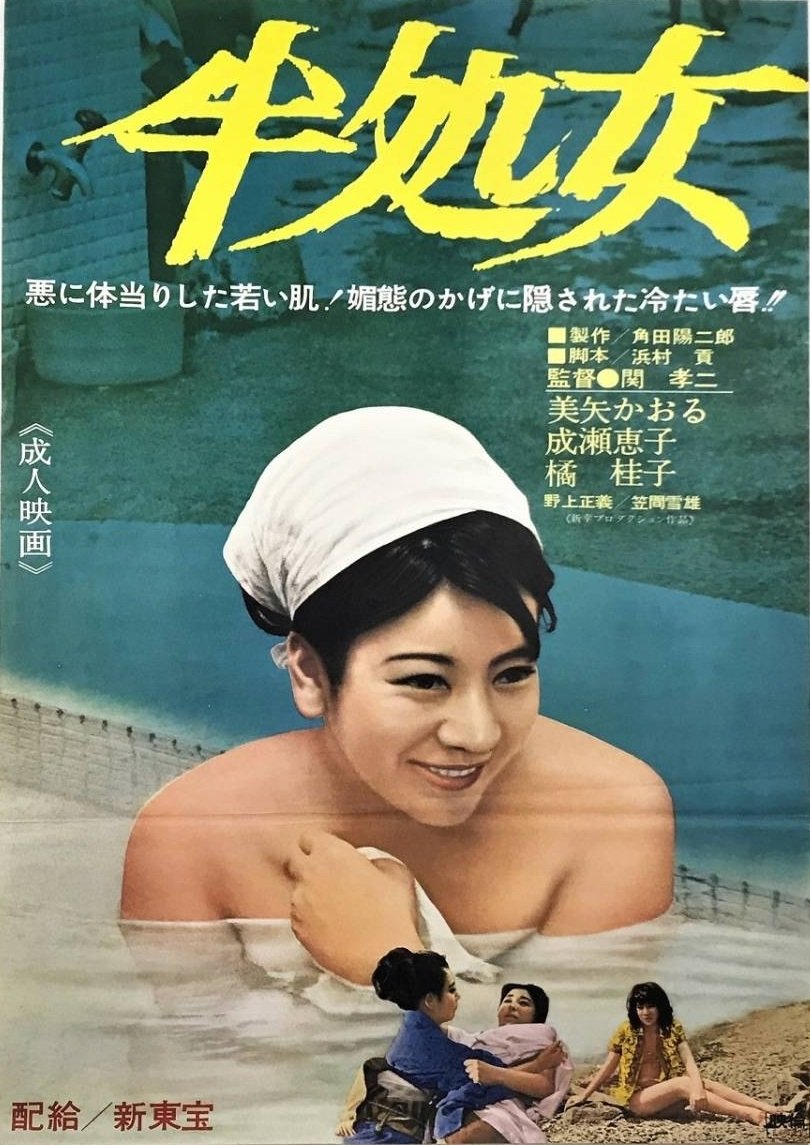
A young woman is driven to madness and despair by the oppressive social structures and her own inner turmoil. The film explores themes of alienation, identity, and the psychological impact of societal expectations on individuals, particularly women, in post-war Japan. Through avant-garde techniques and a non-linear narrative, it depicts her fragmented reality and descent into psychological breakdown.
Critical Reception
Toshio Matsumoto's 'Han shojo' is a challenging and often unsettling cinematic work. It garnered attention for its experimental approach and its unflinching portrayal of female alienation and psychological distress, though its avant-garde nature made it divisive among audiences and critics upon release. It is now recognized as a significant piece of Japanese experimental cinema.
What Reviewers Say
Praised for its bold, avant-garde visual style and exploration of profound psychological themes.
Criticized by some for its demanding, abstract narrative that can be difficult to follow.
Regarded as a significant, albeit niche, contribution to Japanese experimental filmmaking.
Google audience: Audience reception is largely unavailable due to the film's niche and experimental nature. Those who have engaged with it often note its challenging and unique artistic vision.
Fun Fact
The film's experimental nature and challenging subject matter led to it being classified as a 'pink film' in Japan, a genre known for its explicit content, although 'Han shojo' focuses more on psychological rather than explicit sexual themes.
AI-generated overview · Verify ratings on official sources