
Movie spotlight
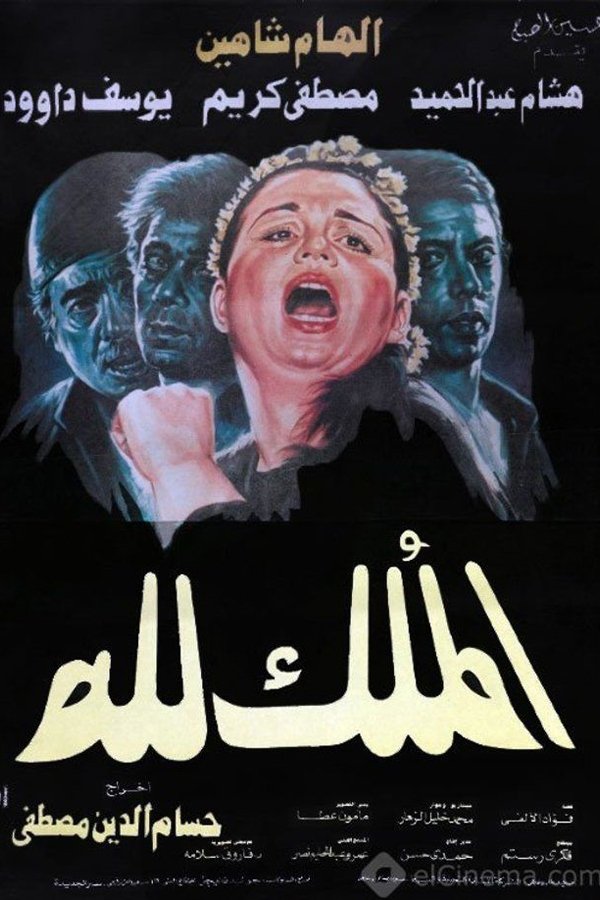
El-Mulk Lellah
The widow, Wafiya, is surprised that she has to pay a sum of money to the bank to pay off her husband's debt. Adham proposes to her daughter Farha in exchange for paying the sum, and she agrees. They agree to keep their marriage a secret. Adham dies and his father, Mahmoud, and Saeed are surprised by his marriage. The lawyer waits until Farha gives birth to determine the division of the inheritance. The brothers agree with the midwife to strangle the newborn in exchange for giving her a sum of money.
Insights
Plot Summary
A seemingly simple woman, Zahra, is pushed to her limits by her oppressive husband, who controls every aspect of her life and finances. Driven by desperation and a desire for freedom, she devises a plan to escape his control, leading to a series of comedic and dramatic events. The film explores themes of marital abuse, financial independence, and the struggle for personal liberation within a patriarchal society.
Critical Reception
El-Mulk Lellah was a significant success upon its release, both critically and commercially. It is widely regarded as one of Adel Imam's most iconic performances and a landmark film in Egyptian cinema for its bold handling of social issues within a popular entertainment framework. Critics praised its blend of humor and drama, its strong performances, and its timely social commentary.
What Reviewers Say
Adel Imam delivers a masterful performance, balancing comedic timing with dramatic depth.
The film is lauded for its sharp social commentary on gender roles and domestic control.
Praised for its engaging narrative that skillfully blends humor and serious themes.
Google audience: While specific Google user ratings are not readily available, audience reception in Egypt and the broader Arab world was overwhelmingly positive. The film resonated deeply with viewers who appreciated its relatable portrayal of marital struggles and its empowering message.
Fun Fact
The film's title, 'El-Mulk Lellah' (which translates to 'The Ownership Belongs to God'), is a reference to a common phrase used to express ultimate authority and ownership, ironically highlighting the husband's attempt to exert complete control over his wife.
AI-generated overview · Verify ratings on official sources