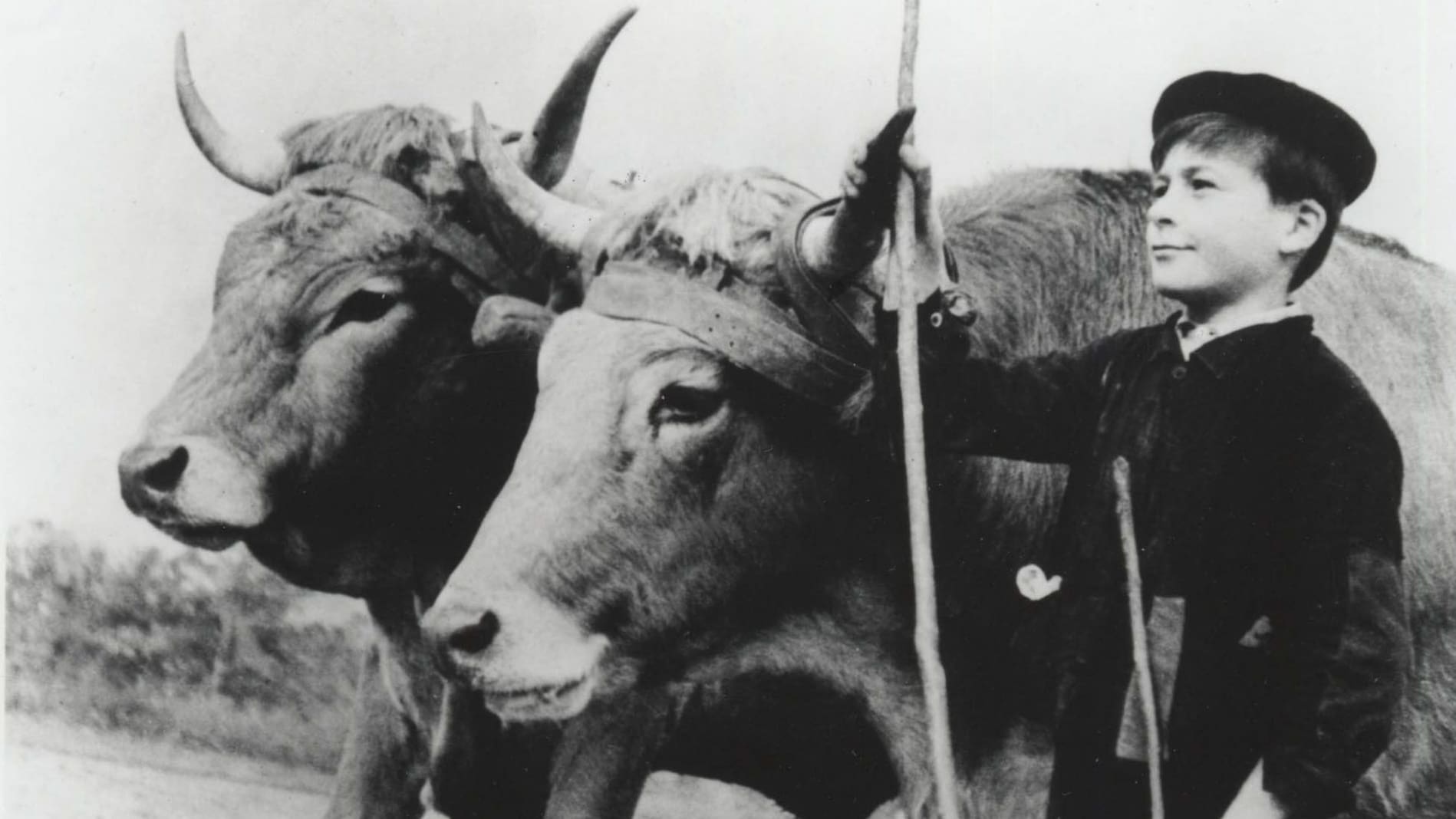
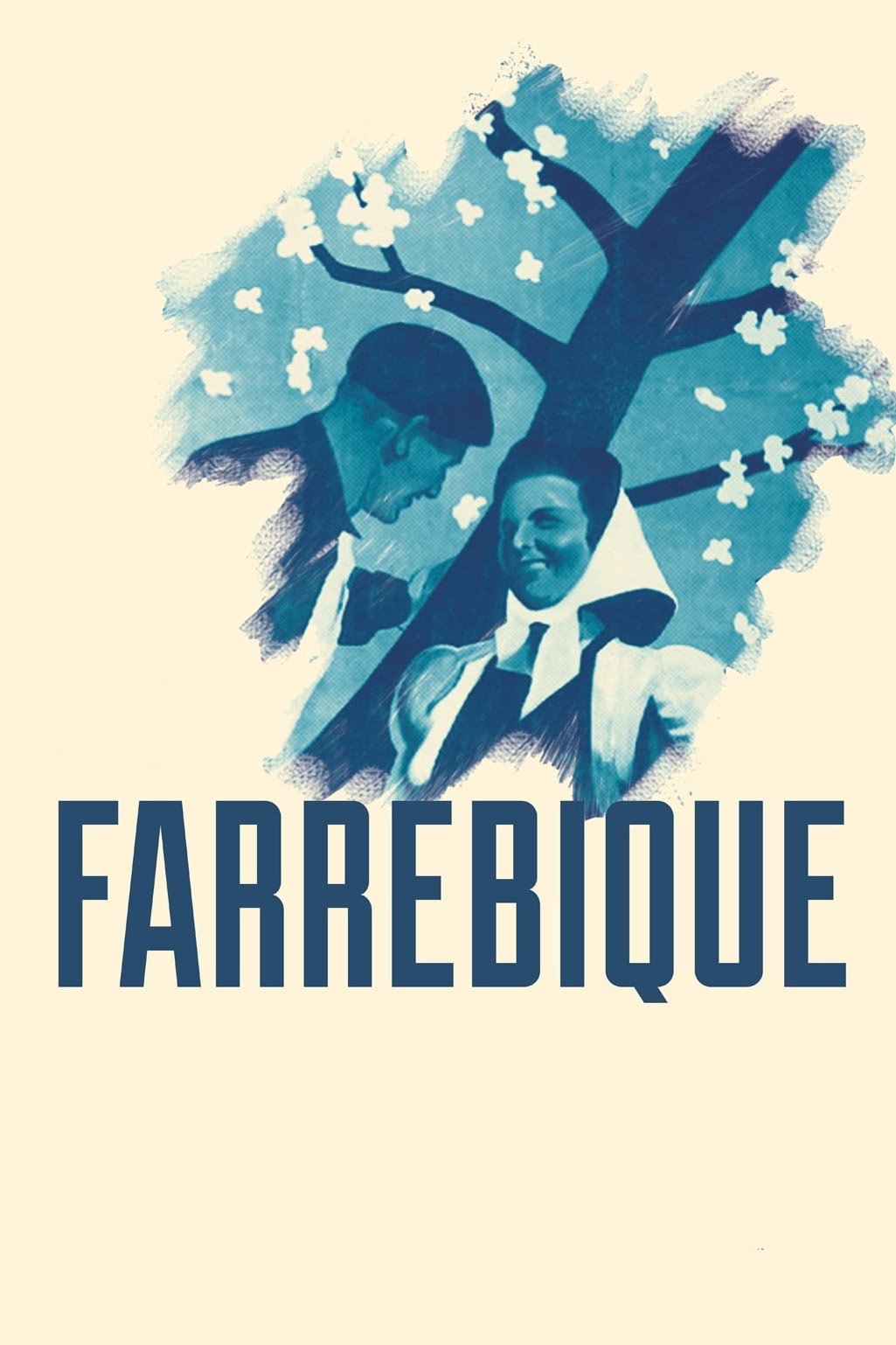
Farrebique, the first feature-length effort of French documentary filmmaker Georges Rouqier, is widely regarded as his finest film. Rouqier concentrates on a single French farm family, following them through the four seasons. As in the works of Robert Flaherty, the human characters and the land surrounding them are "one", and Rouqier never misses an opportunity to parallel their lives with the eons-old phases of nature. The final symbolic images of Spring, achieved through time-lapse photography, are almost unbearably beautiful. The winner of several festival awards, Farrebique nonetheless did not immediately result in an outpouring of financing for Rouqier's follow-up films (this was a common problem in the financially strapped French film industry of the 1940s). Perhaps as a result, Rouqier did not make his sequel, Biquefarre (filmed in the same region, with some of the same "actors"), until 1983.
Director: Georges Rouquier•Genres: Documentary, Drama
Plot Summary
This seminal French documentary offers an intimate and poetic look at the life of the Farrebique family, tenant farmers in the Aveyron region of southern France, throughout the changing seasons. Eschewing traditional narration, the film immerses viewers in the daily rhythms of agricultural labor, family life, and the profound connection between humans and the land. It captures both the hardships and the simple joys of rural existence with remarkable authenticity and grace.
Critical Reception
Farrebique is widely regarded as a masterpiece of documentary filmmaking, lauded for its lyrical beauty, humanistic approach, and authentic portrayal of French rural life. It was a significant artistic and critical success upon its release, praised for its innovative use of natural sound and its sensitive depiction of its subjects. The film has since become a landmark in the genre, influencing generations of filmmakers.
What Reviewers Say
Praised for its poetic and intimate portrayal of rural life.
Celebrated for its groundbreaking authenticity and naturalistic filmmaking.
Considered a significant work in the history of documentary cinema.
Google audience: Audience reception information is not readily available for this historical documentary.
Awards & Accolades
Won the Grand Prix du Festival International du Film at the 1947 Venice Film Festival.
Fun Fact
Director Georges Rouquier lived with the Farrebique family for over a year to authentically capture their lives, and many of the depicted events were spontaneous rather than staged.
AI-generated overview · Verify ratings on official sources
My Review
TMDB Reviews
1 reviews
CinemaSerf
If Vivaldi had been around to make a feature film, then he could easily have crafted this artful piece of cinéma vérité that follows three generation of a family who have farmed the land for generations. The second world war has just ended ...