
CyrusPK
Some films are known more for the trivia associated with them than their actual content – The Thirteenth Chair (1929) being one of them. As the first sound film for director Tod Browning and his first collaboration with the Hungarian e...
Movie spotlight
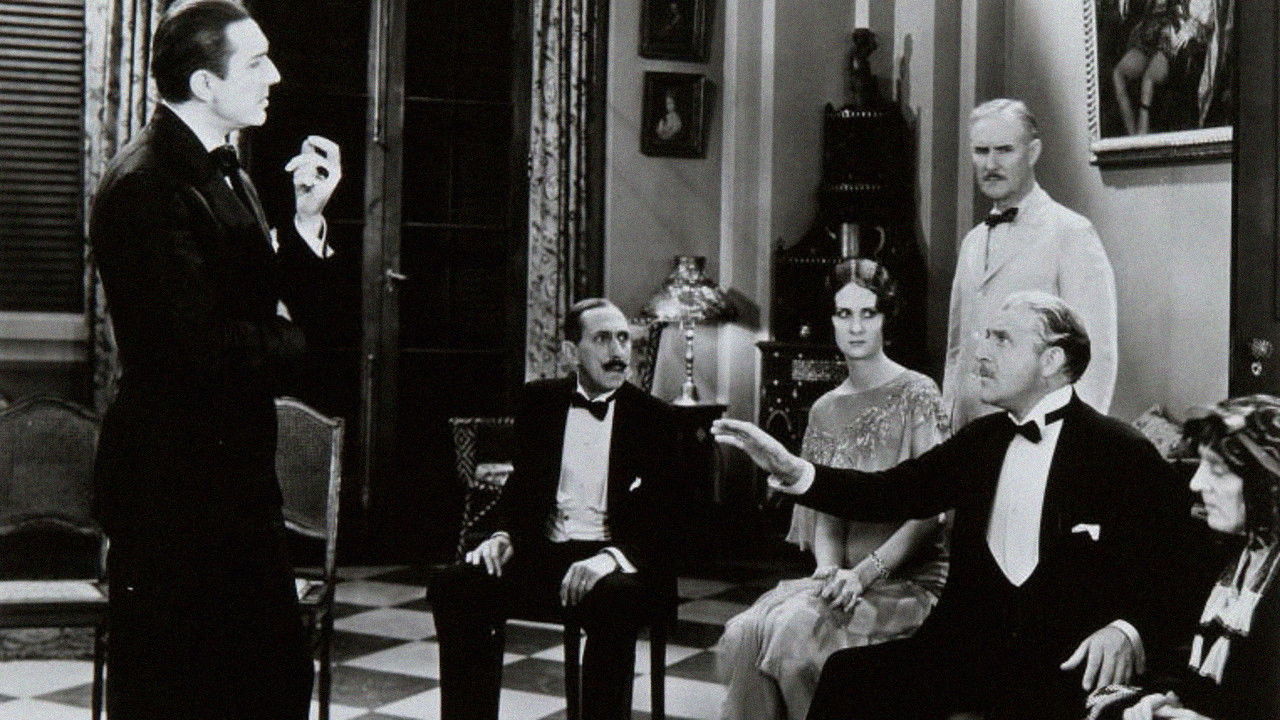
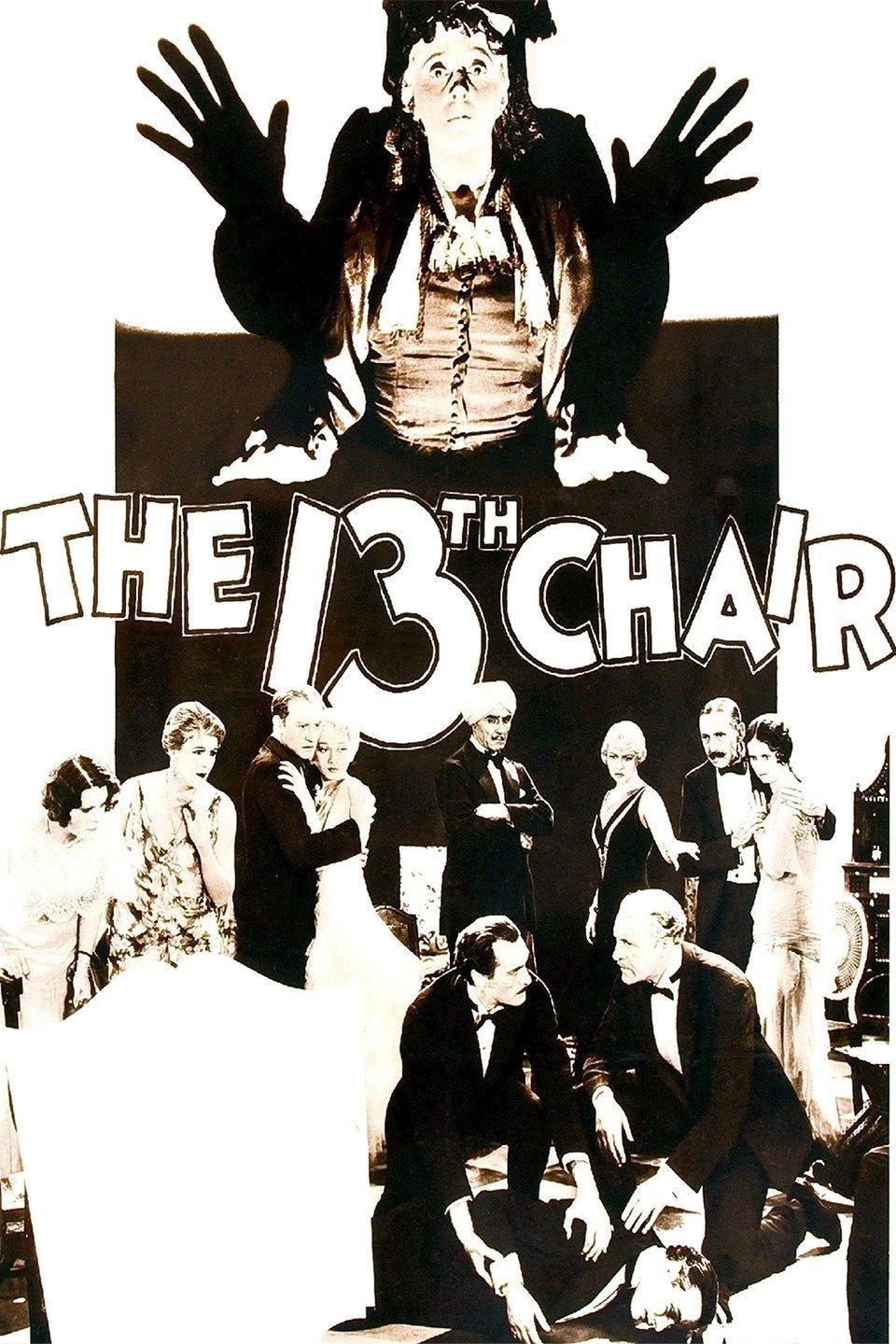
Although his murdered friend was by all accounts a scoundrel, Edward Wales is determined to trap his killer by staging a seance using a famous medium. Many of the 13 seance participants had a reason and a means to kill, and one of them uses the cover of darkness to kill again. When someone close to the medium is suspected she turns detective, in the hope of uncovering the true murderer.
A seance is held in a darkened room by a wealthy widow, Madame Rosarita, who claims to have supernatural abilities. Her guests, each with their own secrets and motives, gather around a table, unaware that a murder is about to take place. As the night unfolds, accusations fly, and the guests try to uncover the identity of the killer among them, suspecting one of their own.
As one of Tod Browning's early sound films, 'The Thirteenth Chair' received mixed to positive reviews, praised for its suspenseful atmosphere and Browning's signature macabre touch. While some critics noted its stagey origins, its chilling narrative and effective use of early sound technology were generally well-regarded, establishing its place as a notable entry in the early horror and mystery genres.
Praised for its suspenseful and claustrophobic atmosphere.
Tod Browning's direction effectively builds dread and mystery.
The film's reliance on dialogue and stage-like setting was a common point of discussion.
Google audience: Information on Google user reviews for 'The Thirteenth Chair (1929)' is not readily available.
The film is an adaptation of a popular 1922 Broadway play of the same name, written by Bayard Veiller, and was one of the early sound films to incorporate spoken dialogue and sound effects.
AI-generated overview · Verify ratings on official sources
Some films are known more for the trivia associated with them than their actual content – The Thirteenth Chair (1929) being one of them. As the first sound film for director Tod Browning and his first collaboration with the Hungarian e...