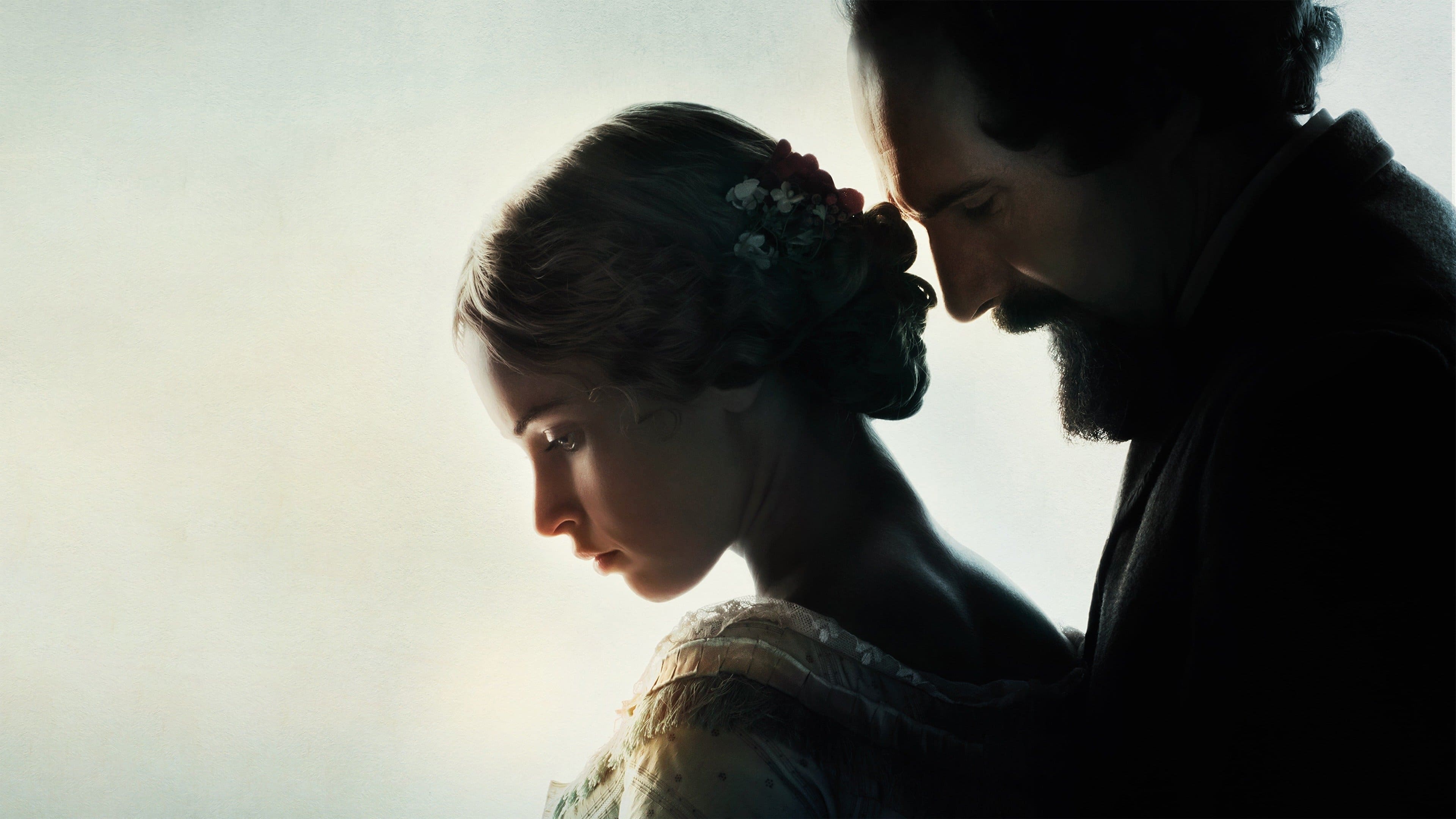
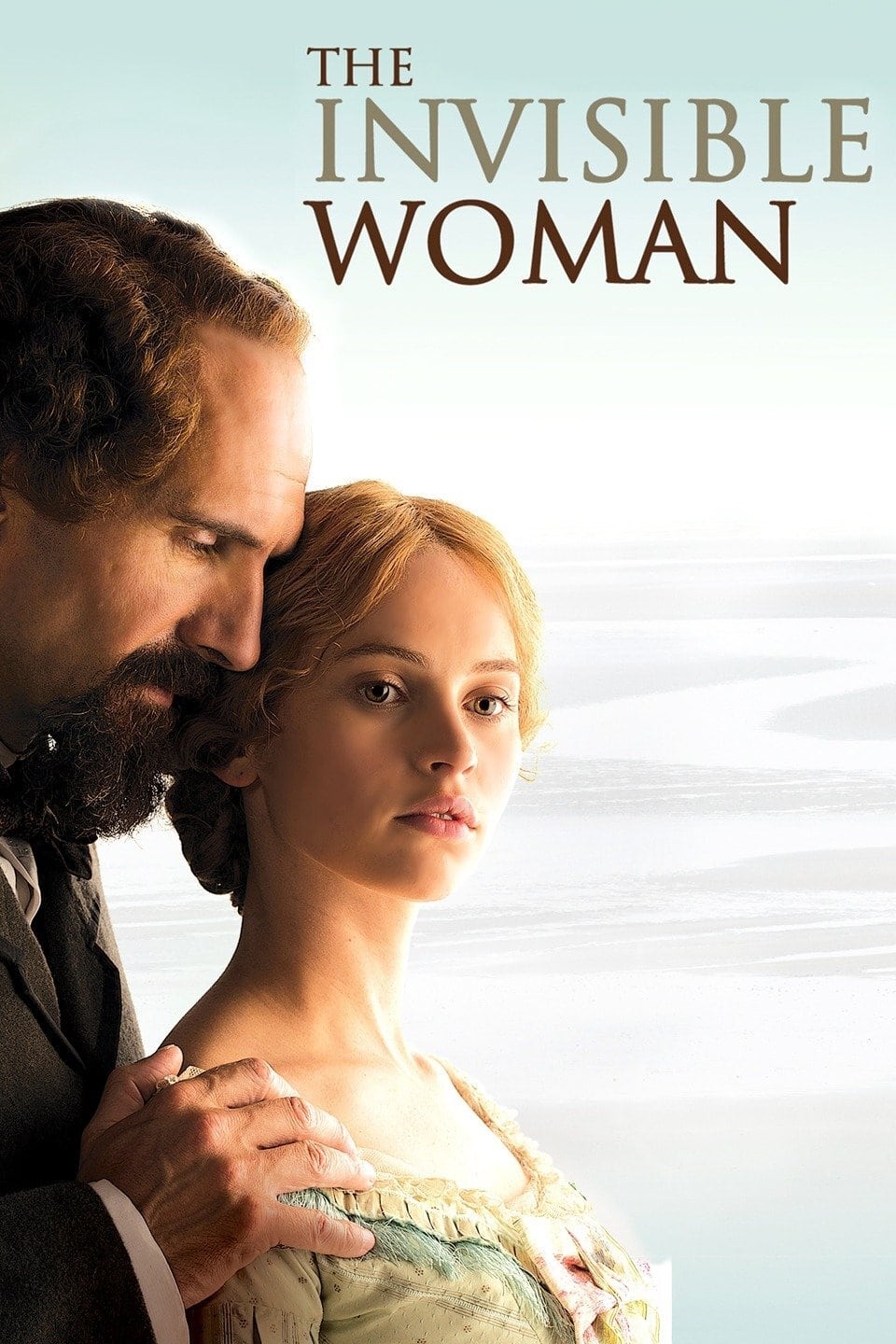

The Invisible Woman
In 1857, at the height of his fame and fortune, novelist and social critic Charles Dickens meets and falls in love with teenage stage actress Nelly Ternan. As she becomes the focus of his heart and mind, as well as his muse, painful secrecy is the price both must pay.
Insights
Plot Summary
The film chronicles the secret love affair between Charles Dickens and Nelly Ternan, a young actress he met while on tour. Dickens, already married with a large family, begins a clandestine relationship with Nelly, which continues for years and profoundly impacts both their lives. The story explores the societal constraints and personal sacrifices involved in their hidden romance.
Critical Reception
The Invisible Woman received generally positive reviews from critics, who praised its elegant filmmaking, strong performances, particularly from Felicity Jones and Ralph Fiennes, and its sensitive portrayal of a complex relationship. Some critics found the pacing to be slow at times, but most agreed it was a compelling and nuanced historical drama.
What Reviewers Say
- Praised for its sophisticated direction and strong lead performances.
- Appreciated for its nuanced and sensitive depiction of a historical romance.
- Some found the narrative a bit understated or slow-moving.
Google audience: Google users generally found 'The Invisible Woman' to be a well-made and engaging historical drama, appreciating the performances and the exploration of Charles Dickens's personal life. Some viewers noted that it was a more subtle and character-driven film, which may not appeal to those seeking a fast-paced plot.
Fun Fact
Ralph Fiennes not only directed 'The Invisible Woman' but also starred as Charles Dickens, a role he prepared for extensively, even learning to write with his left hand to emulate Dickens's handwriting.
AI-generated overview · Verify ratings on official sources