
Insights
Plot Summary
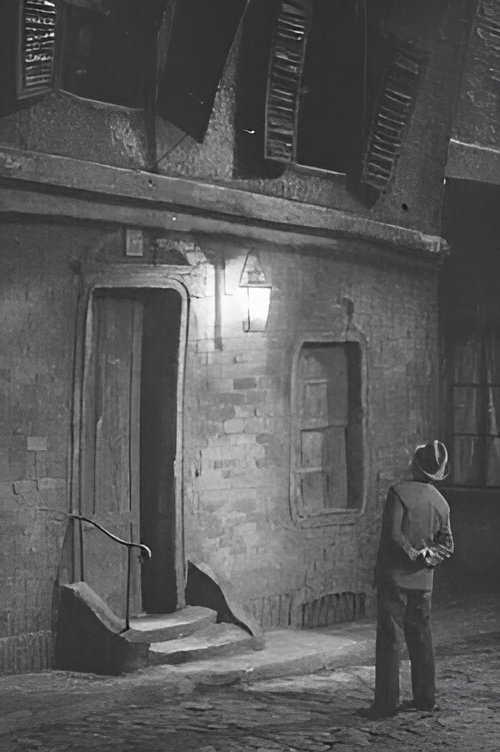
In a Berlin tenement building, "Haus Nummer 17" (House Number 17), a young woman struggles with her circumstances and the harsh realities of city life. The film explores themes of poverty, social inequality, and the moral compromises individuals are forced to make. It offers a stark portrayal of the lives of the working class in the tumultuous post-WWI era.
Critical Reception
G. W. Pabst's 'Haus Nummer 17' was recognized for its realistic depiction of social conditions and its cinematic artistry. Critics lauded its unflinching look at poverty and its compelling performances. The film is considered an important example of German silent cinema's social realism.
What Reviewers Say
Praised for its powerful social commentary.
Commended for its realistic portrayal of urban poverty.
Noted for its strong performances and direction.
Google audience: As a silent film from 1928, specific Google user reviews are not available. However, its historical reception points to appreciation for its raw depiction of societal issues and artistic merit.
Fun Fact
G. W. Pabst was renowned for his ability to elicit naturalistic performances from his actors, even in the silent film era, contributing to the film's powerful emotional impact.
AI-generated overview · Verify ratings on official sources