
Movie spotlight
Ida
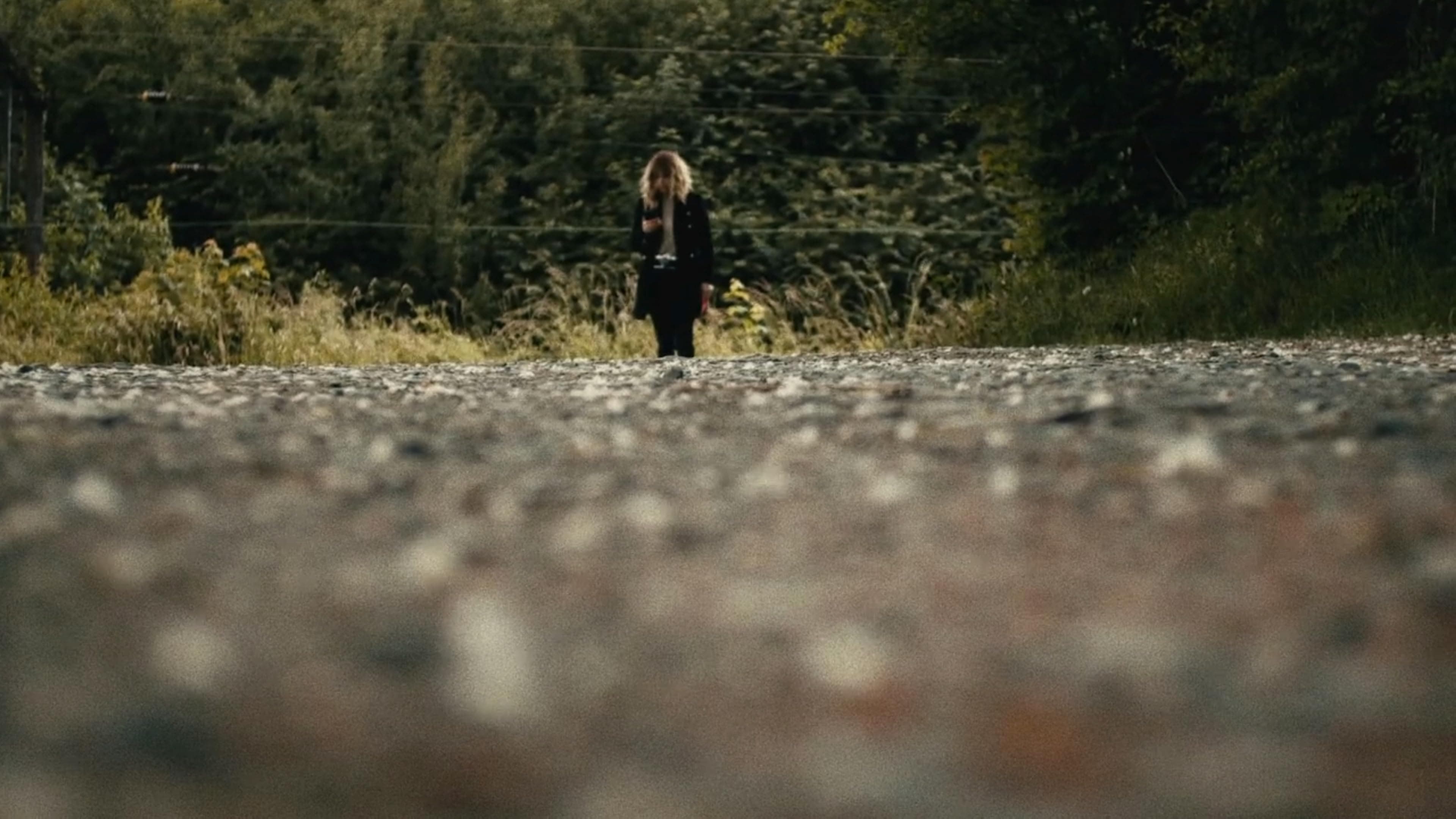
Alice, a young woman grieving the death of her mother, finds a friend in the older Ida, but her new friend seems to have sinister intentions.
Insights
Plot Summary
In 1960s Poland, Anna, a young novitiate nun, is about to take her vows. Before she does, her Mother Superior insists she visit her only living relative, her Aunt Wanda. During this visit, Anna discovers she is actually Ida, an orphaned Jewish girl, and that her aunt is a former communist state prosecutor with a dark past. Together, they embark on a journey to uncover the truth about their families' fates during the Nazi occupation.
Critical Reception
Ida was met with widespread critical acclaim, particularly for its stunning black-and-white cinematography, poignant storytelling, and strong performances. It was lauded for its sensitive exploration of Polish history, guilt, and identity.
What Reviewers Say
Visually striking with its stark black-and-white aesthetic.
A powerful and moving exploration of faith, identity, and historical trauma.
Subtle yet profound performances anchor the film's emotional weight.
Google audience: Google users overwhelmingly praised Ida for its beautiful cinematography and its profound, thought-provoking narrative. Many appreciated the film's quiet intensity and its exploration of complex historical and personal themes.
Awards & Accolades
Won the Academy Award for Best Foreign Language Film, and was nominated for Best Cinematography. It also won numerous awards at international film festivals.
Fun Fact
Director Paweł Pawlikowski intentionally shot "Ida" in a nearly square 4:3 aspect ratio, which was common for films made before the widescreen era. This aesthetic choice enhances the feeling of looking at old photographs and contributes to the film's timeless quality.
AI-generated overview · Verify ratings on official sources