Movie spotlight
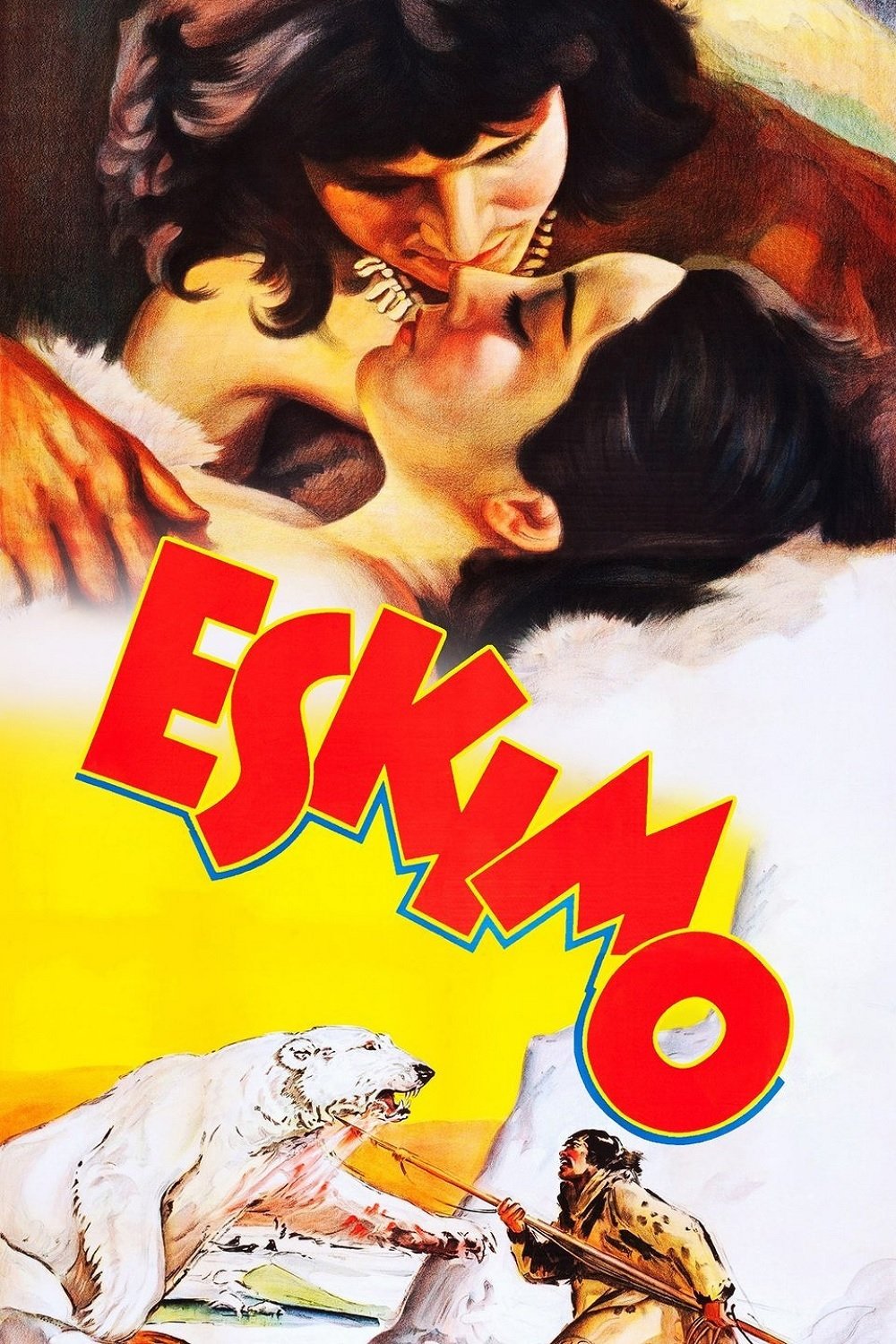
Eskimo
The happy life of an Eskimo is disastrously changed when he mingles with an unscrupulous white trader.
Insights
Plot Summary
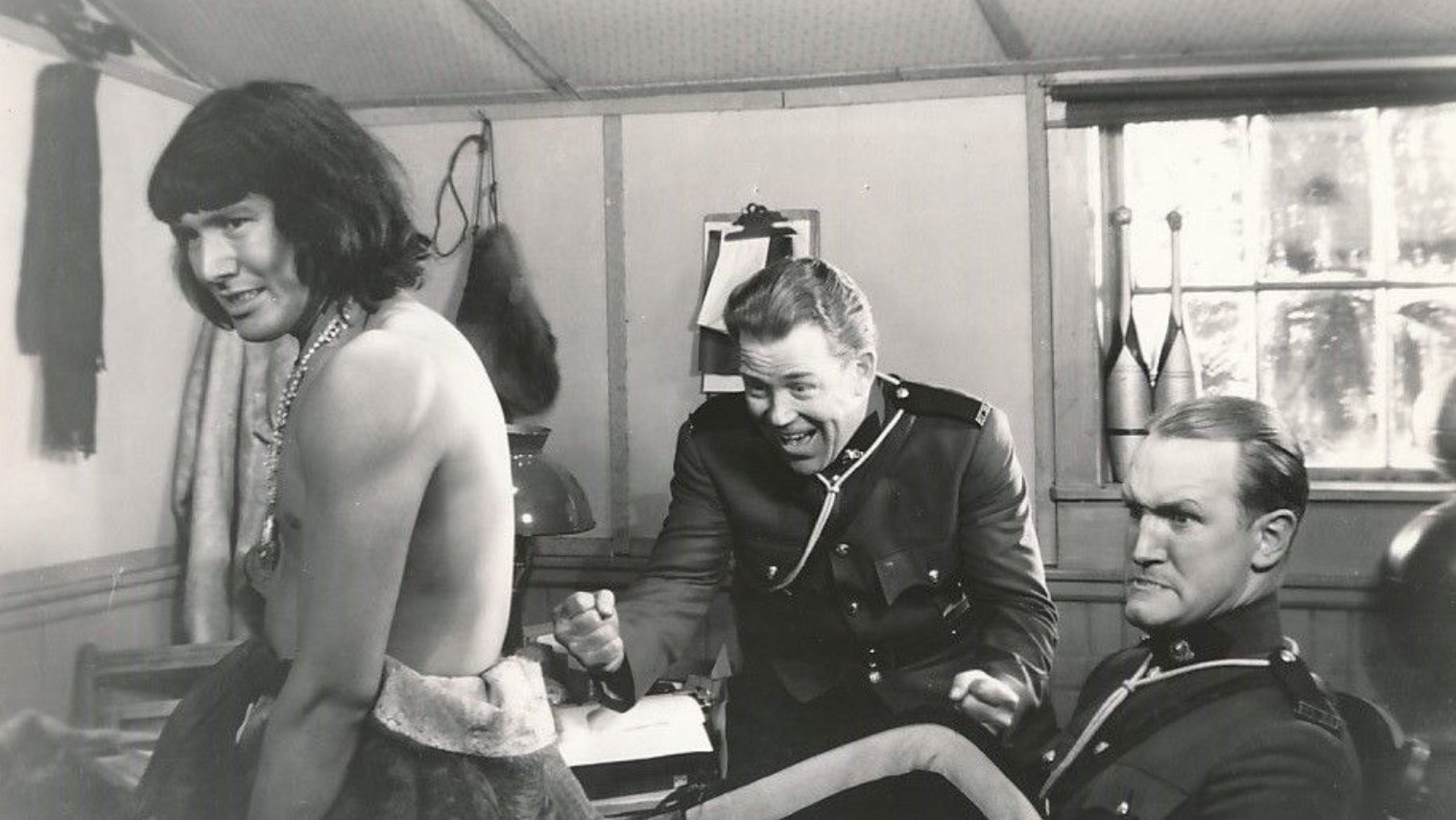
Mala, an Inuit hunter, is accused of murder after killing a mountie who attempted to rape his wife. He is captured and taken to trial in a distant settlement, where he must face a harsh legal system and cultural misunderstandings. The film depicts the brutal realities of life in the Arctic and the clash between Inuit traditions and Western law. Mala's fate hangs in the balance as the trial unfolds, highlighting themes of survival, justice, and cultural difference.
Critical Reception
Eskimo was a notable film for its time, praised for its authenticity and realistic portrayal of Inuit life. While some contemporary reviews might have focused on its adventurous aspects, modern critical reception acknowledges its ethnographic value and its often harsh depiction of Arctic survival. It was recognized for its technical achievements in filming on location.
What Reviewers Say
Praised for its authentic depiction of Inuit culture and Arctic survival.
Lauded for its ambitious filming on location under challenging conditions.
Noted for its dramatic narrative and sometimes stark portrayal of justice.
Google audience: Information on Google user reviews for "Eskimo (1933)" is not readily available or aggregated.
Awards & Accolades
Academy Award for Best Film Editing (George Hull)
Fun Fact
The film was shot on location in the Arctic, with a significant portion of the cast and crew being Inuit, contributing to its authenticity. It was one of the first major Hollywood productions filmed entirely in the Arctic using available light.
AI-generated overview · Verify ratings on official sources