Movie spotlight
Quo Vadis?
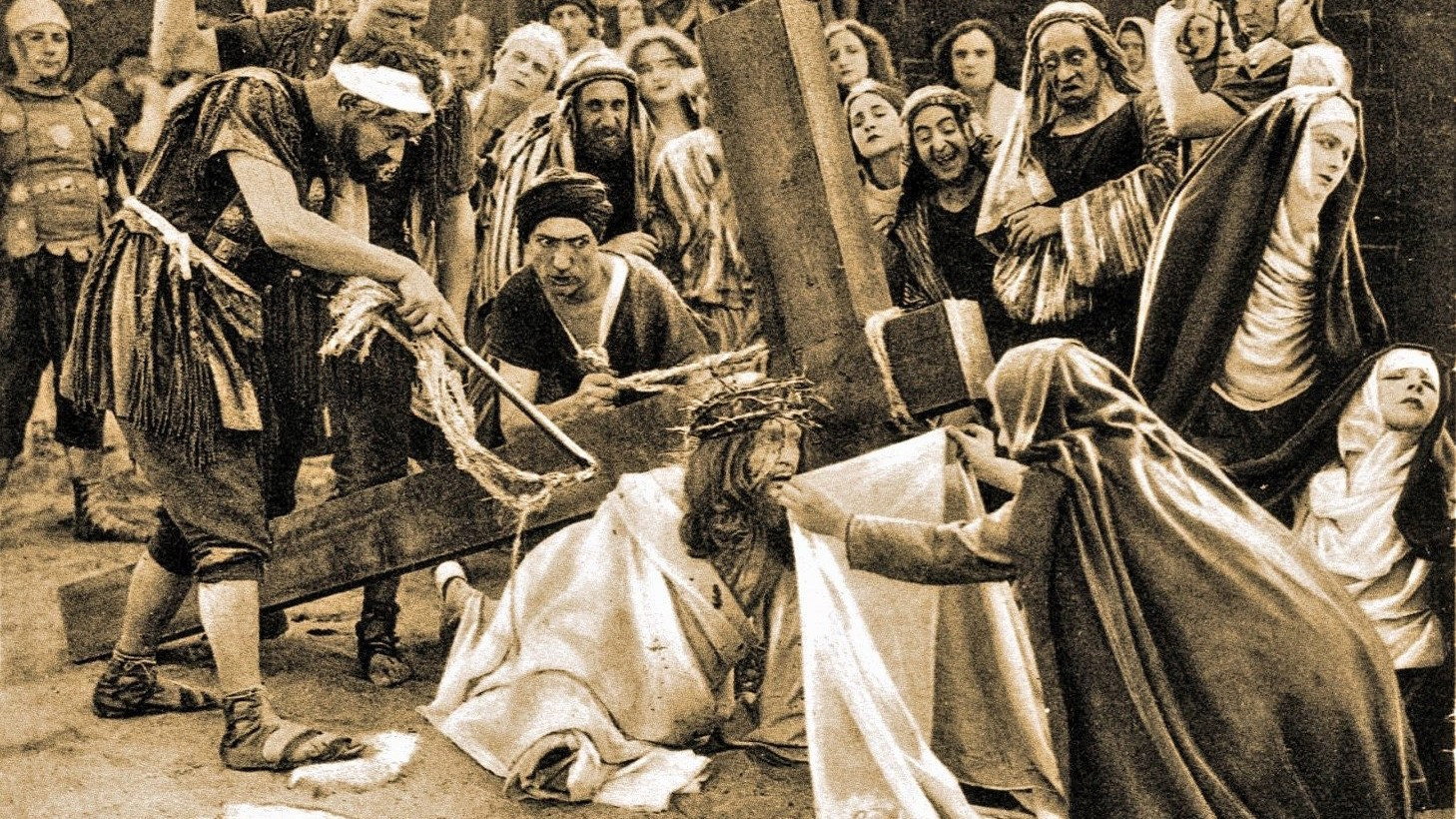
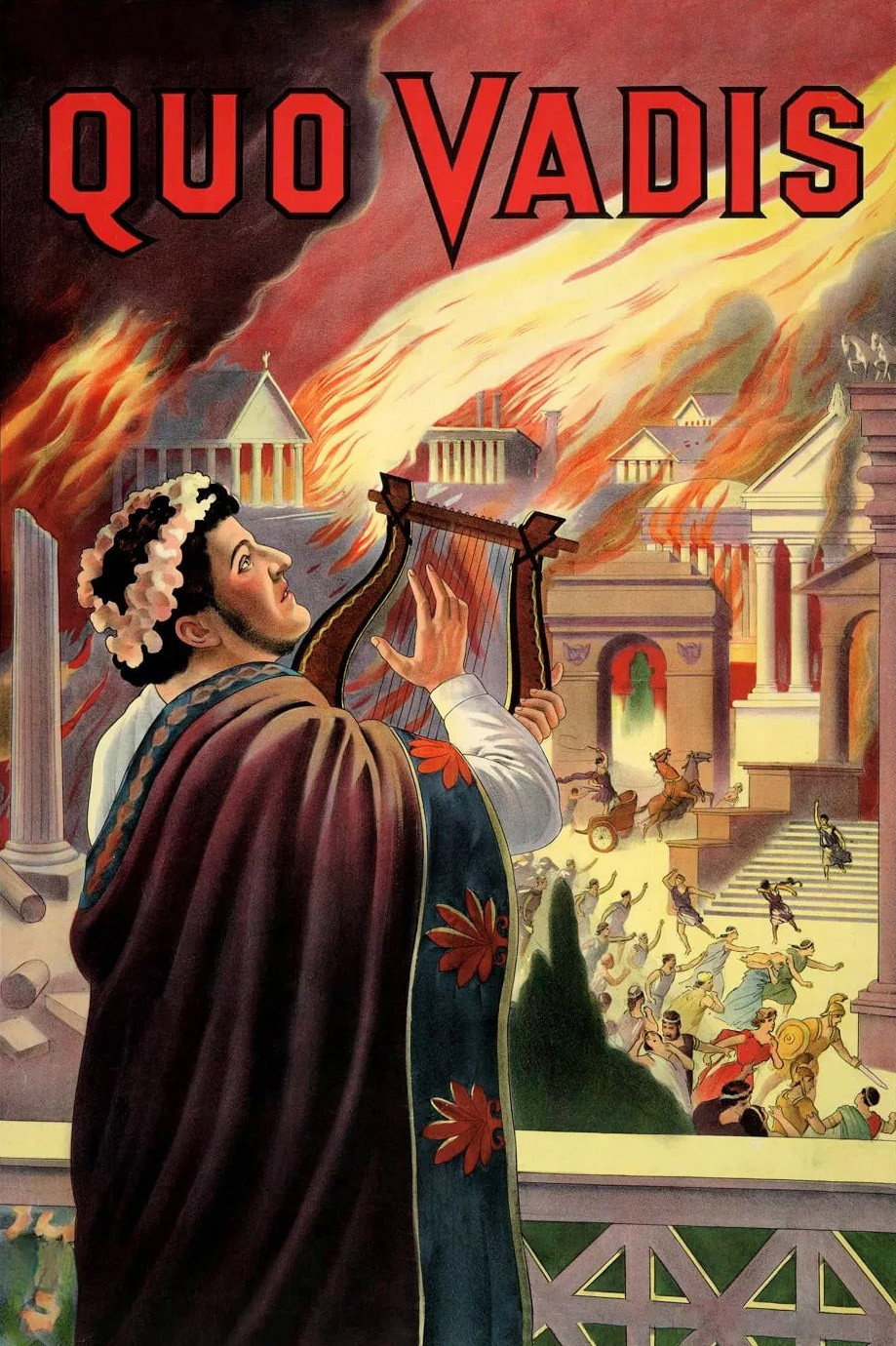
During the latter years of the reign of the tyrannical Roman emperor Nero, Marcus Vinicius, one of Nero's officers, falls in love with a young Christian named Lygia, attempting to enslave her. Lygia's protector, the noble and burly Ursus, works to save her from Vinicius' clutches. Pursuing Lygia, Vinicius finds himself at a catacomb prayer meeting led by the apostle Peter and finds his conscience stirring-- just as Nero orders Rome burned. A landmark in epic film, Enrico Guazzoni’s grand-scale masterpiece laid the foundations for what colossal Italian spectacles would become. The film had tremendous influence on Giovanni Pastrone’s Cabiria (1914) and D.W. Griffith’s Intolerance (1916).
Insights
Plot Summary
Set in ancient Rome during the reign of Emperor Nero, this epic tale follows the intertwined fates of Marcus Vinicius, a Roman general, and Lygia, a Christian maiden. Marcus becomes infatuated with Lygia, who has been entrusted to his care. Their love story unfolds against a backdrop of political intrigue, the persecution of Christians, and Nero's decadent and cruel rule, culminating in the Great Fire of Rome.
Critical Reception
As a groundbreaking silent film, 'Quo Vadis?' was a monumental achievement in early cinema, renowned for its scale, impressive sets, and crowd scenes. It was a significant international success and is credited with popularizing the epic genre, influencing subsequent historical dramas.
What Reviewers Say
Praised for its ambitious scope and visual spectacle.
Considered a landmark film that pushed the boundaries of filmmaking at the time.
Its depiction of Roman decadence and early Christian struggles was highly impactful.
Google audience: Audience reception information for this silent film is not readily available through modern platforms.
Awards & Accolades
None notable (as awards were not structured as they are today for early cinema).
Fun Fact
The film was an enormous commercial success and is considered one of the first blockbusters in cinema history, setting a new standard for historical epics.
AI-generated overview · Verify ratings on official sources