Movie spotlight
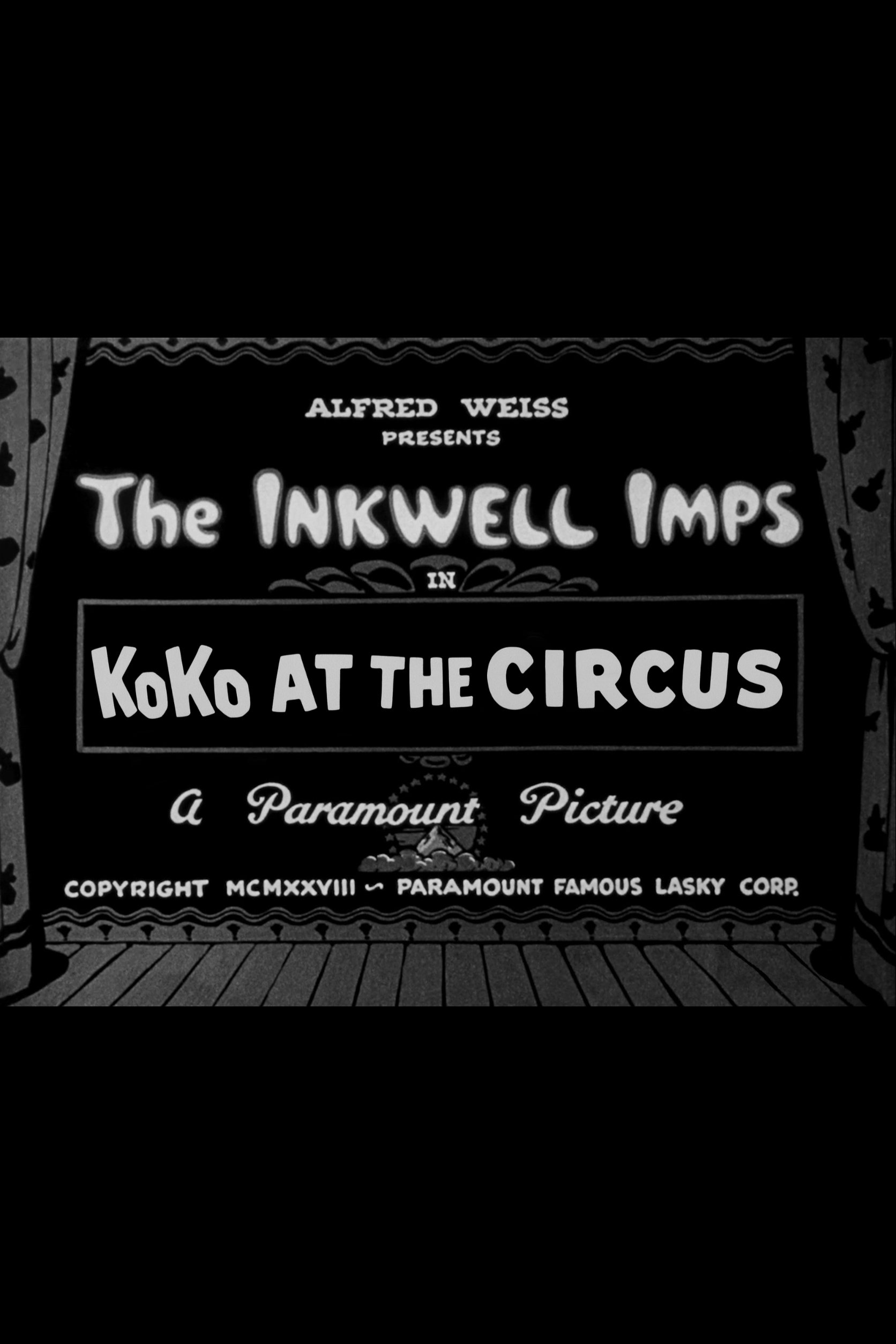
Ko-Ko at the Circus
Max draws a circus poster featuring Ko-Ko the Clown and Fitz the dog, but the circus owner wants them replaced with a giant. On the poster, Ko-Ko and Fitz find ways to take on their oversized rival.
Insights
Plot Summary
In this animated short, Ko-Ko the Clown escapes from his prison cell and proceeds to cause chaos, eventually finding himself in a circus setting. He interacts with various circus performers and engages in his usual brand of surreal antics. The film showcases Fleischer's innovative "bouncing ball" technique.
Critical Reception
As an early animated short, 'Ko-Ko at the Circus' is primarily appreciated for its historical significance and Fleischer's pioneering animation techniques. While specific critical reviews from its release are scarce, it's recognized as a notable entry in the development of animation.
What Reviewers Say
Praised for its innovative animation techniques for the era.
Appreciated as an early example of character-driven animation.
Recognized for its surreal and often bizarre humor.
Google audience: Information on specific Google user reviews for this short from 1926 is not readily available.
Fun Fact
This short is one of the earliest examples of Max Fleischer's pioneering "bouncing ball" animation technique, where a bouncing ball would be superimposed over the animation to help the animator keep rhythm.
AI-generated overview · Verify ratings on official sources