Movie spotlight
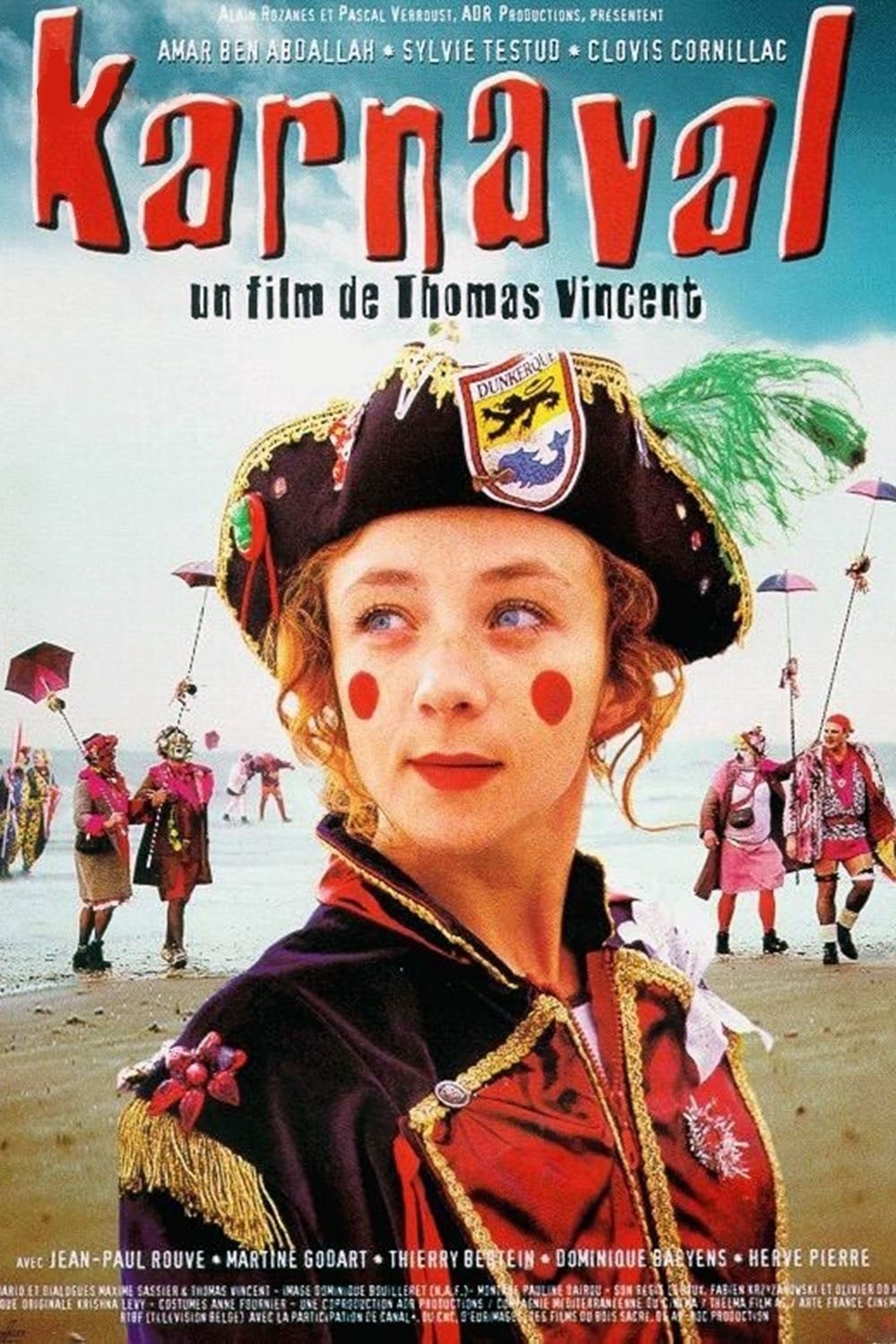
Karnaval
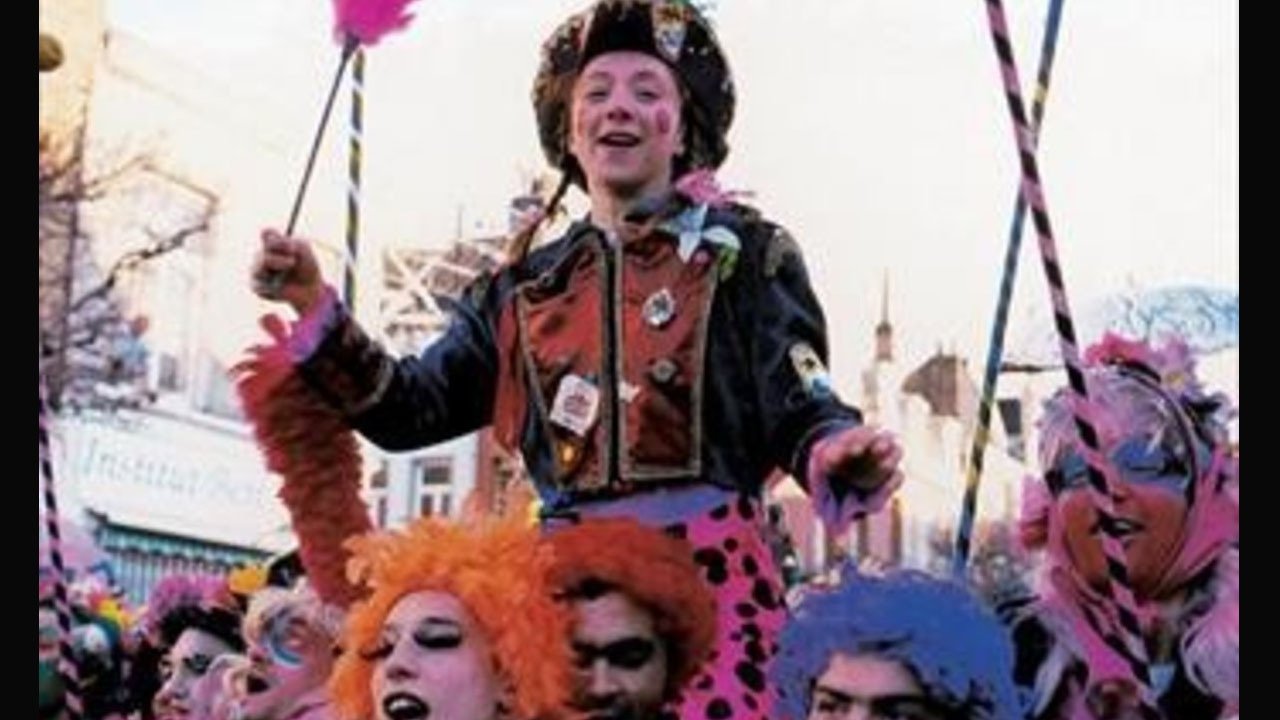
Karnaval is set against a backdrop of intolerance and hostility in the gloomy Northern French city of Dunkirk. The story is set during carnival time, when the citizens let themselves loose for six weeks of partying, carousing and having a good time. The film centers on Larbi, an Arab youth, and his confrontation with one of the turning points of his life. After a violent argument with his father, Larbi decides to leave the family's business and go to Marseilles for a fresh start. On his last night in the town he grew up in, he sleeps in the hallway of an apartment building, where he is disturbed by Béa and Christian, a couple having fun at the carnival. Larbi is attracted to Béa and decides to stay a few more days to try his luck. In the free atmosphere of the carnival, Larbi discovers a world that he did not know existed, a world which is about to clash with his conservative outlook, and the three lives are changed forever.
Insights
Plot Summary
In this Brazilian comedy-drama, the inhabitants of a small, impoverished town in the Northeast of Brazil prepare for their annual carnival, a vibrant celebration that offers a temporary escape from their harsh realities. The story follows a group of locals as they navigate their dreams, desires, and struggles against the backdrop of the festive yet poignant carnival. It highlights themes of social inequality, hope, and the enduring spirit of community.
Critical Reception
Karnaval received positive reviews for its heartwarming story, vibrant portrayal of Brazilian culture, and strong performances, particularly from Regina Casé. Critics praised its ability to balance humor with social commentary, offering a realistic yet optimistic glimpse into life in rural Brazil.
What Reviewers Say
Praised for its authentic portrayal of Brazilian life and culture.
Regina Casé delivers a standout performance.
Successfully blends humor and poignant social commentary.
Google audience: Information on Google user reviews for Karnaval (1999) is not readily available.
Fun Fact
The film was a significant entry in Brazilian cinema, showcasing the regional culture and social dynamics of the Northeast.
AI-generated overview · Verify ratings on official sources