
Rough for Theatre II
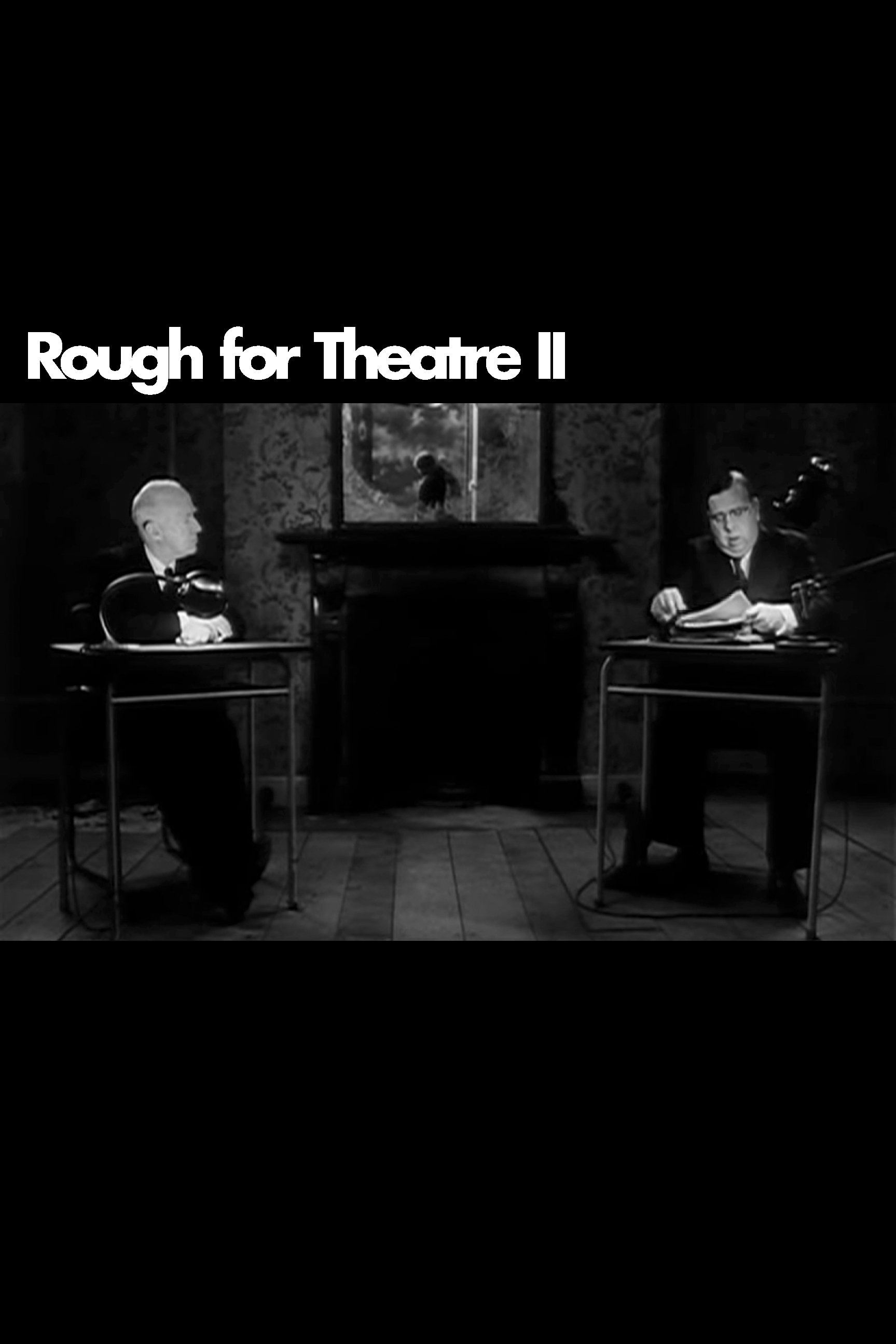
Two bureaucrats discuss the potential suicide of a man standing perfectly still in front of a door that opens into the night sky and a fatal drop.
Insights
Plot Summary
A man enters a bare room and encounters a woman, who is accompanied by another man. The interactions are sparse and abstract, exploring themes of isolation, communication breakdown, and existential dread. The piece is highly minimalist, relying on stark visual imagery and sparse dialogue to convey its bleak atmosphere.
Critical Reception
As a late work by Samuel Beckett, 'Rough for Theatre II' is often analyzed within the context of his broader oeuvre, appreciated for its uncompromising minimalist aesthetic and profound exploration of human existence. It is considered a significant piece of experimental theatre, though its challenging nature means it appeals to a niche audience interested in absurdist and avant-garde works.
What Reviewers Say
- Praised for its stark, minimalist staging and potent atmosphere.
- Seen as a quintessential example of Beckett's later, more abstract period.
- Often described as intellectually stimulating but emotionally distant.
Google audience: Information not available for this experimental short film.
Fun Fact
Samuel Beckett wrote 'Rough for Theatre II' in 1969, but it wasn't staged until 2000, decades after its creation.
AI-generated overview · Verify ratings on official sources