
Movie spotlight
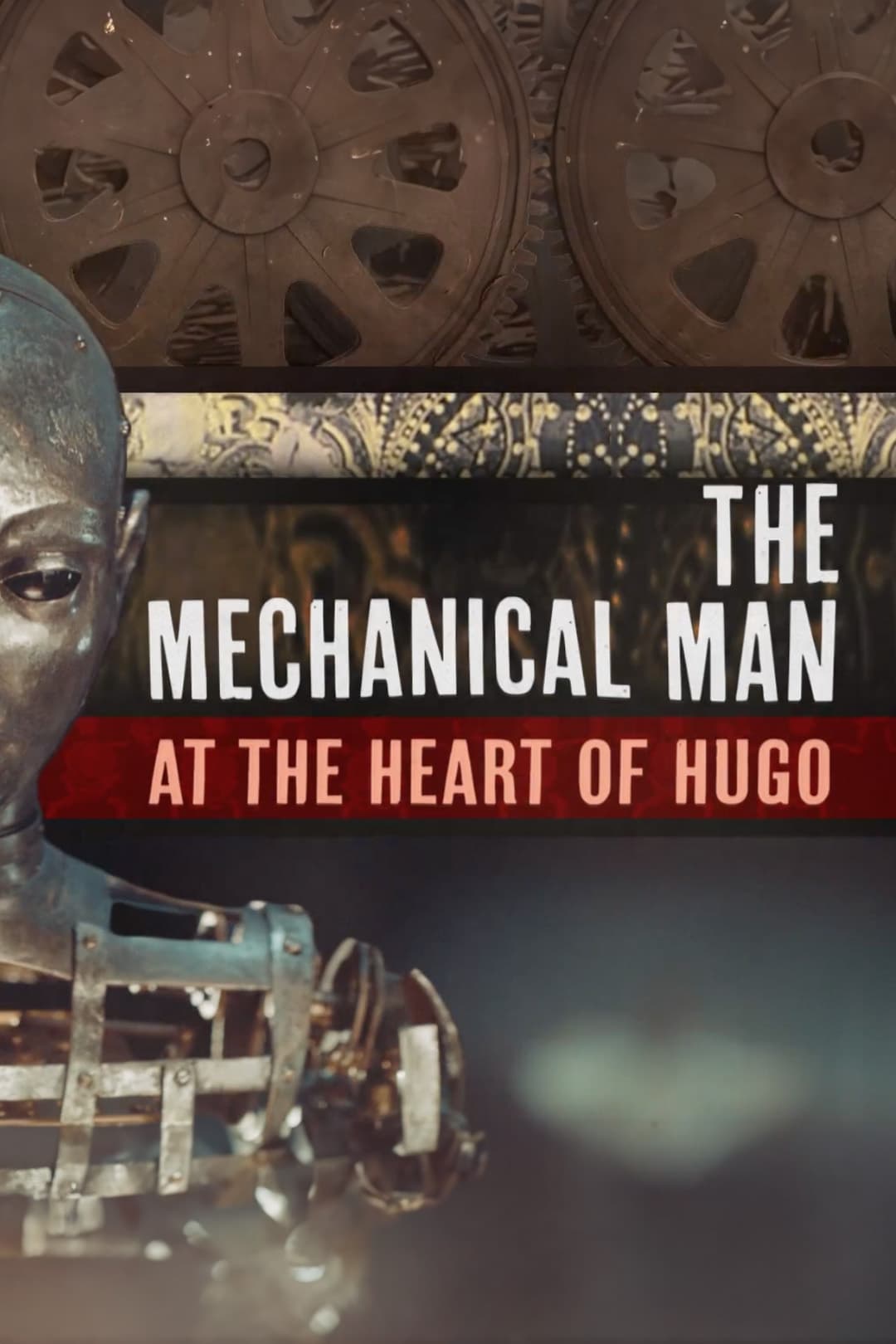
The Mechanical Man at the Heart of 'Hugo'
This documentary looks back at the history of automata but also briefly examines the design of the automaton seen in the film "Hugo."
Insights
Plot Summary
Orphaned and living in the walls of a Paris train station, young Hugo Cabret stumbles upon a automaton left behind by his father. He believes the machine holds a message from his father, and enlists the help of a feisty young girl to uncover its secrets. Their quest leads them to a grumpy old toy shop owner, who may hold the key to the automaton's mystery and a forgotten piece of cinematic history.
Critical Reception
Hugo was met with widespread critical acclaim, lauded for its visual splendor, Scorsese's masterful direction, and its heartfelt exploration of early cinema. Critics praised its unique blend of adventure, mystery, and historical homage, though some found its pacing occasionally slow.
What Reviewers Say
Visually stunning and emotionally resonant, a love letter to early cinema.
Scorsese's unexpected foray into family filmmaking is a resounding success.
A charming and intricate adventure that captivates with its historical depth.
Google audience: Audiences adored Hugo for its magical storytelling and beautiful cinematography, frequently highlighting its touching narrative and the compelling exploration of film history. Some viewers noted it as a visually impressive and heartwarming experience for the whole family, though a minority found it a bit slow at times.
Awards & Accolades
Won 5 Academy Awards (including Best Cinematography, Best Art Direction) and nominated for 11 total. Also received nominations for Golden Globes and BAFTAs.
Fun Fact
The automaton featured in the film is a real, functioning antique automaton from the late 19th century, believed to be designed by the Swiss watchmaker Henri Maillardet, and it was restored by special effects artist Tom Hester for the film.
AI-generated overview · Verify ratings on official sources