
Insights
Plot Summary
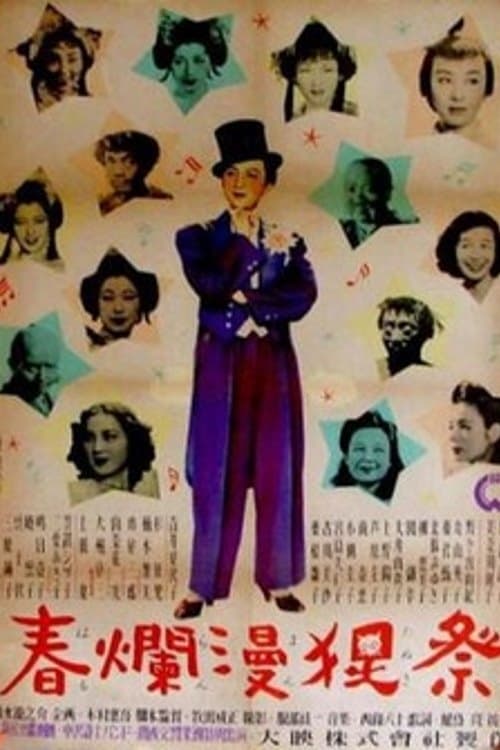
In a rural Japanese village, the annual Tanuki Festival takes a magical turn when the mischievous tanuki (raccoon dogs) decide to play elaborate pranks on the human inhabitants. A young villager finds himself caught between the supernatural antics and the everyday concerns of his community, leading to a blend of humor and heartwarming moments.
Critical Reception
While specific critical reviews from 1948 are scarce, "Haru ranman tanuki matsuri" is generally remembered as a charming and whimsical fantasy comedy that tapped into Japanese folklore. It was appreciated for its lighthearted entertainment and its use of traditional Tanuki legends. The film is considered a notable early work in Japanese cinema, particularly for its genre blend.
What Reviewers Say
Praised for its imaginative use of Japanese folklore.
Appreciated for its gentle humor and lighthearted tone.
Seen as a classic example of early Japanese fantasy comedy.
Google audience: Information on specific Google user reviews for this 1948 film is not readily available.
Fun Fact
The film is notable for its depiction of Tanuki, mythical shapeshifting raccoon dogs central to Japanese folklore, showcasing them in a playful and often mischievous light that was popular in Japanese cinema of the era.
AI-generated overview · Verify ratings on official sources