
Movie spotlight
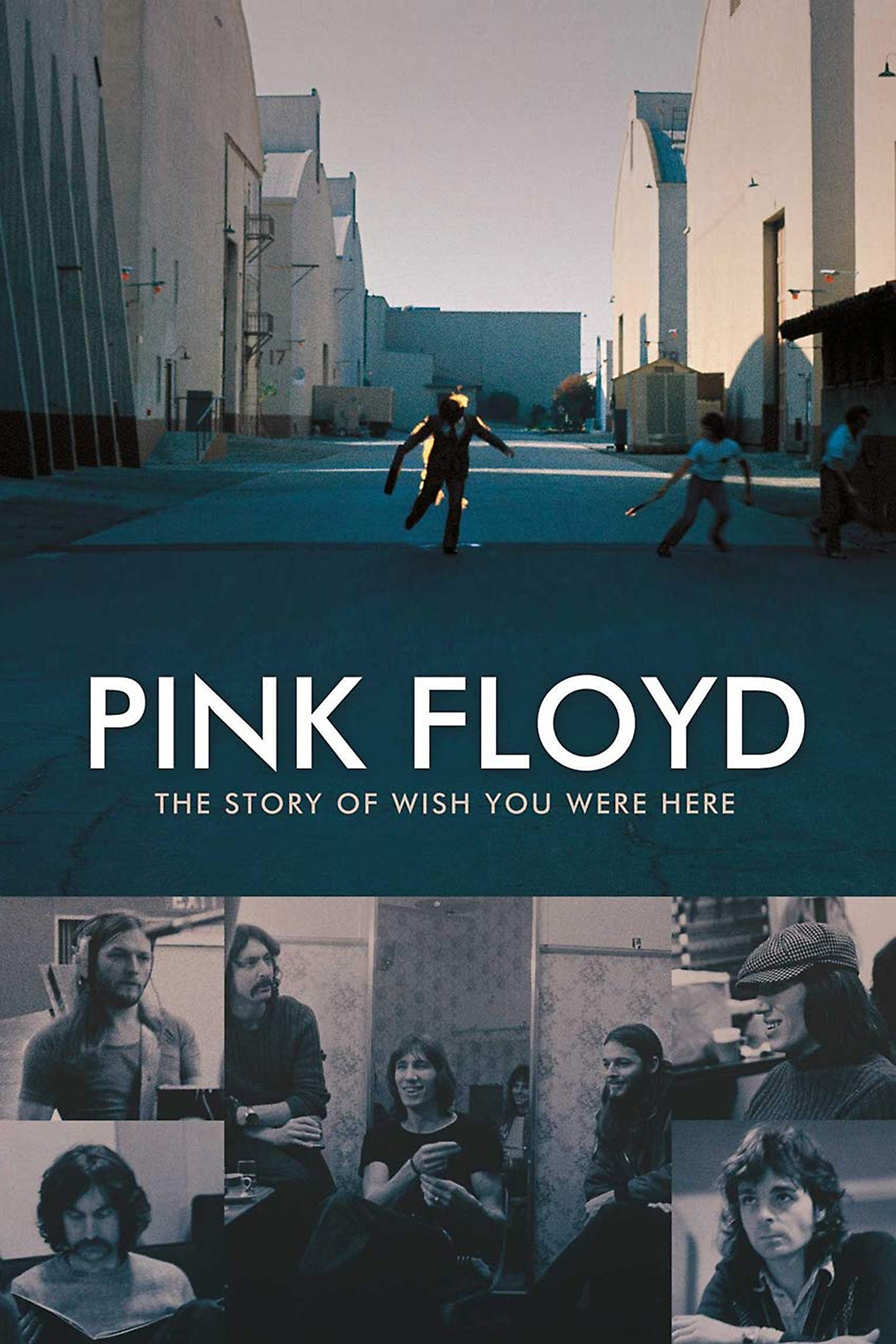
Pink Floyd: The Story of Wish You Were Here
Wish You Were Here, released in September 1975, was the follow up album to the globally successful The Dark Side Of The Moon and is cited by many fans, as well as band members Richard Wright and David Gilmour, as their favorite Pink Floyd album. On release it went straight to Number One in both the UK and the US and topped the charts in many other countries around the world. This program tells the story of the making of this landmark release through new interviews with Roger Waters, David Gilmour and Nick Mason and archive interviews with the late Richard Wright. Also featured are sleeve designer Storm Thorgerson, guest vocalist Roy Harper, front cover burning man Ronnie Rondell and others involved in the creation of the album. In addition, original recording engineer Brian Humphries revisits the master tapes at Abbey Road Studios to illustrate aspects of the songs construction.
Insights
Plot Summary
This documentary explores the creation and legacy of Pink Floyd's iconic 1975 album, "Wish You Were Here." It delves into the band's creative process, the inspirations behind the album's themes of absence and the music industry, and the profound impact of Syd Barrett's departure.
Critical Reception
The documentary was well-received by fans and critics for its insightful look into the making of a landmark album. It is praised for featuring extensive interviews with the band members and offering a deep dive into the album's complex themes and musical innovations.
What Reviewers Say
Offers a comprehensive look at the making of a classic album.
Features valuable interviews with the band members.
Explores the thematic depth and enduring impact of 'Wish You Were Here'.
Google audience: Audience reception is generally positive, with viewers appreciating the detailed behind-the-scenes look at the album's creation and the emotional depth explored.
Fun Fact
The documentary reveals that the iconic album cover featuring two businessmen shaking hands, one of whom is on fire, was inspired by the cynical nature of the music business and the 'burning' ambition of those within it.
AI-generated overview · Verify ratings on official sources