
Movie spotlight
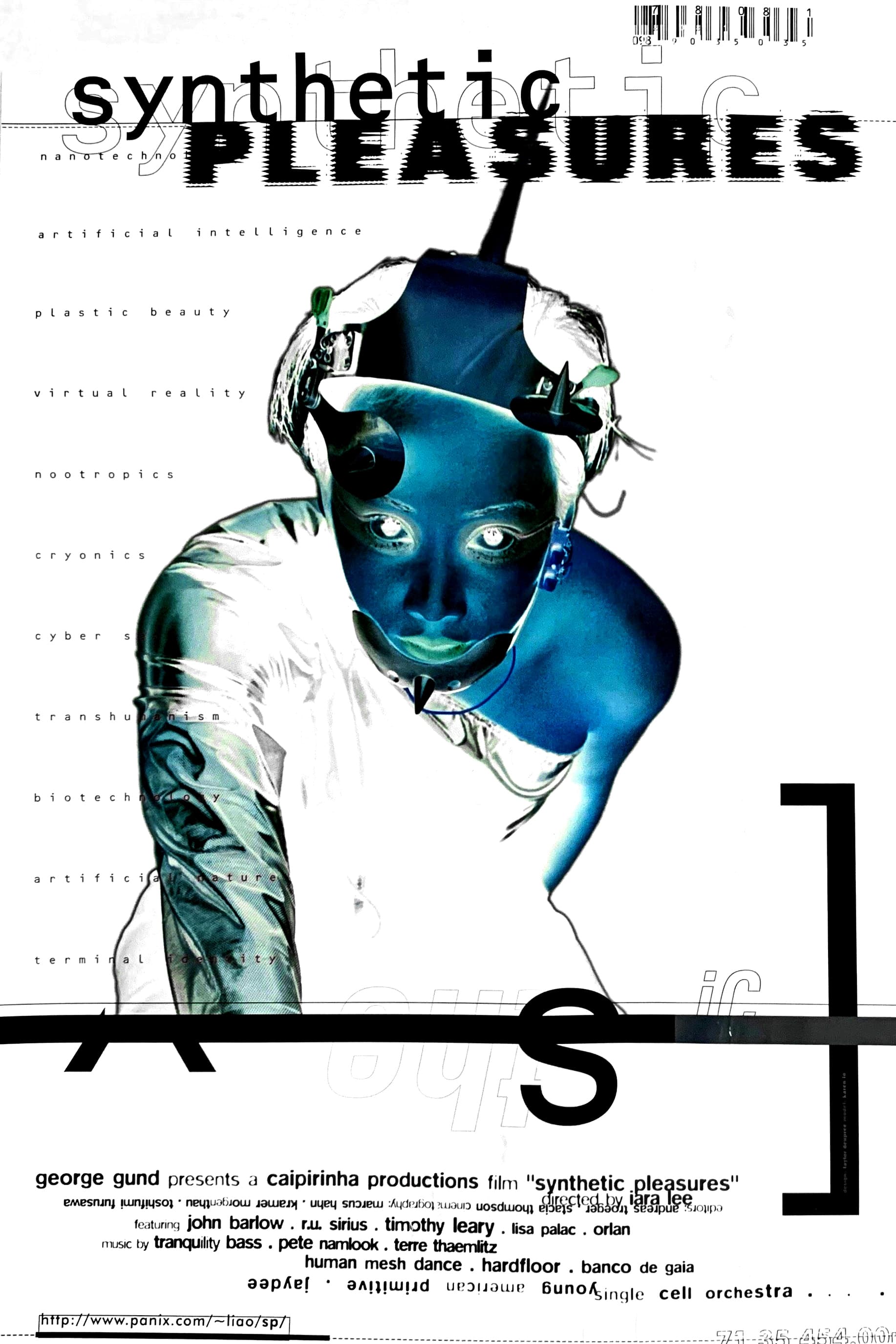
Synthetic Pleasures
Conceived as an electronic road movie, this documentary investigates cutting edge technologies and their influence on our culture as we approach the 21st century. It takes off from the idea that mankind's effort to tap the power of Nature has been so successful that a new world is suddenly emerging,an artificial reality. Virtual Reality, digital and biotechnology, plastic surgery and mood-altering drugs promise seemingly unlimited powers to our bodies, and our selves. This film presents the implications of having access to such power as we all scramble to inhabit our latest science fictions.
Insights
Plot Summary
Synthetic Pleasures is a 1995 documentary film directed by Iara Lee that explores the cultural and social impact of technology, particularly in the realms of virtual reality, artificial intelligence, and biotechnology. The film features interviews with prominent thinkers and artists who discuss the evolving relationship between humans and machines. It delves into the potential benefits and drawbacks of technological advancement, questioning the very definition of reality and humanity in an increasingly synthesized world.
Critical Reception
The documentary received generally positive reviews for its thought-provoking exploration of technology's impact on society. Critics praised its diverse range of interviewees and its ability to stimulate discussion on complex contemporary issues. While some found its scope ambitious, most appreciated its insightful look into the future as envisioned in the mid-1990s.
What Reviewers Say
Praised for its insightful interviews with key figures in technology and philosophy.
Applauded for tackling prescient themes about the human-machine interface.
Noted for its ambitious scope in examining the future of technology's influence.
Google audience: Information not available.
Fun Fact
The film features interviews with many influential figures who were at the forefront of discussing the digital revolution and its implications, including philosopher Jean Baudrillard, whose theories on simulacra and simulation were highly relevant to the film's themes.
AI-generated overview · Verify ratings on official sources