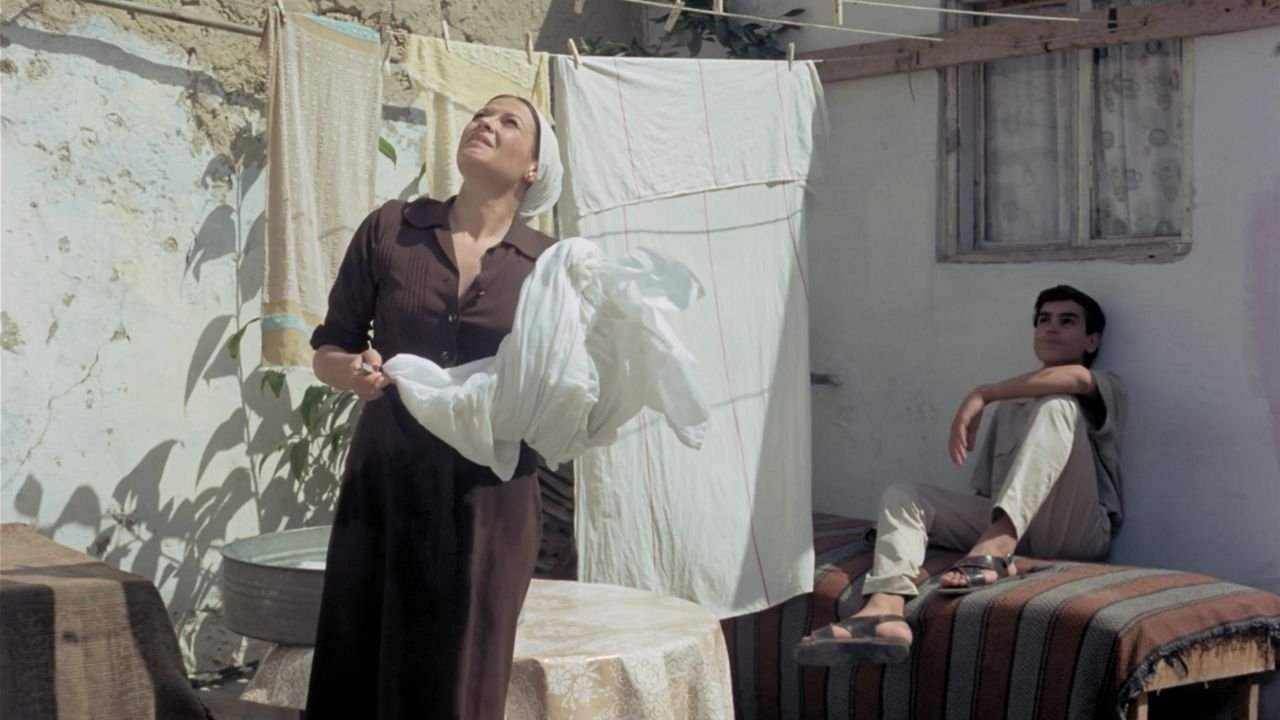
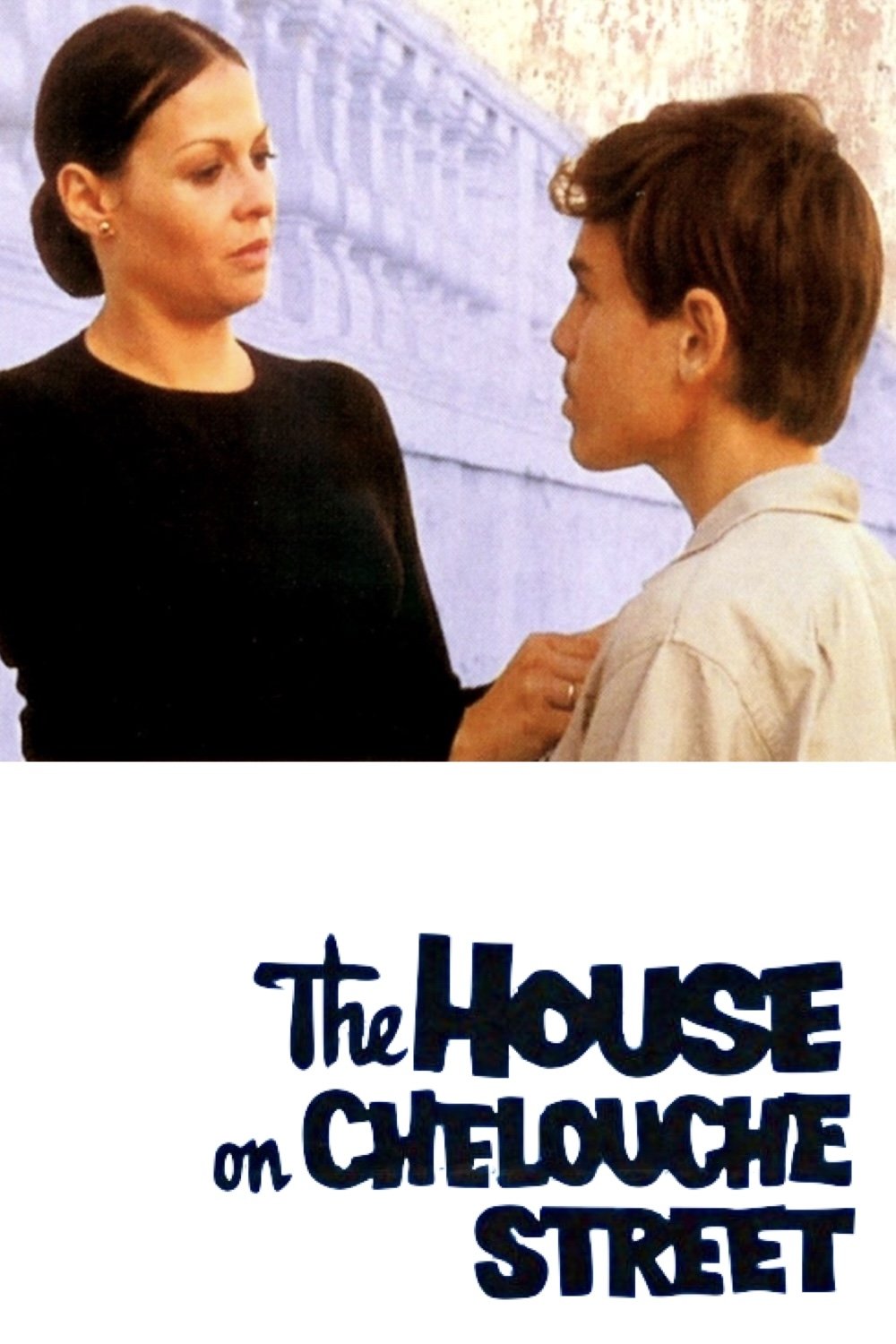
The House on Chelouche Street
A fatherless family immigrates to Israel from Egypt during the British Mandate period. The film traces the hardships the family suffers in the politically unstable country.
Insights
Plot Summary
Set in Tel Aviv in the 1930s, the film tells the story of a young Sephardic woman from a traditional family who falls in love with an Ashkenazi man. Their relationship faces significant challenges due to the cultural and social divides between their communities. The narrative explores themes of identity, tradition versus modernity, and forbidden love within a specific historical and geographical context.
Critical Reception
The House on Chelouche Street was well-received by critics for its sensitive portrayal of cultural divides and its engaging narrative. It is considered a significant film in Israeli cinema, praised for its performances and its exploration of social dynamics.
What Reviewers Say
- Praised for its nuanced depiction of societal tensions.
- Applauded for strong performances, particularly from Gila Almagor.
- Seen as a culturally significant and moving drama.
Google audience: Information on Google user reviews for this film is not readily available.
Awards & Accolades
Won the Audience Award at the Locarno International Film Festival in 1973.
Fun Fact
The film is semi-autobiographical, drawing from director Moshé Mizrahi's own experiences and observations of Tel Aviv society in the 1930s.
AI-generated overview · Verify ratings on official sources