IMDb7.8/10
Rotten Tomatoes100%
Metacritic95
Google Users94%
Director: Gabriel Axel•Genres: Drama, Foreign
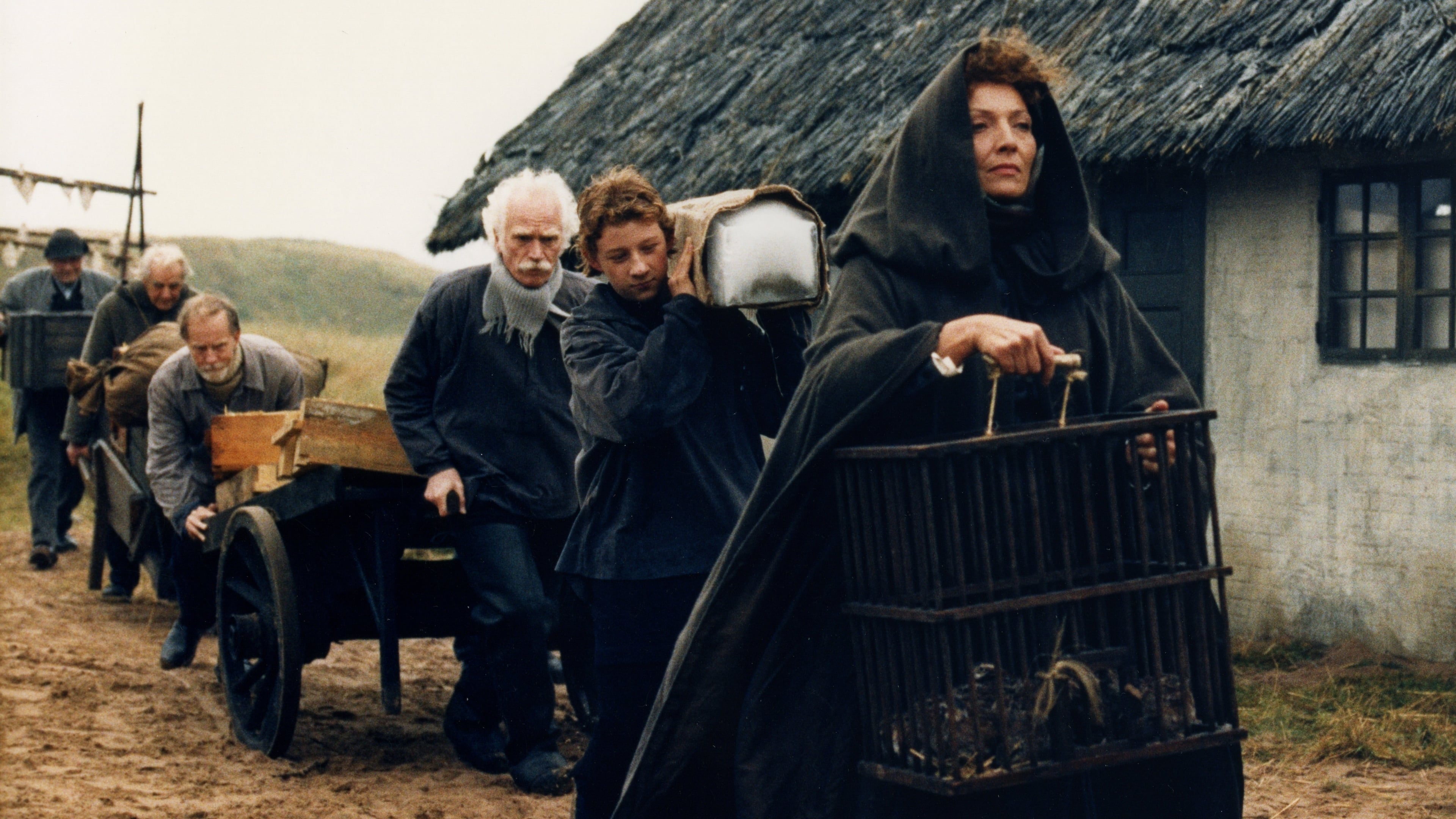
In a remote 19th-century Danish village, two pious sisters live a life of austere devotion. Their quiet existence is disrupted when Babette, a French refugee fleeing political turmoil, arrives seeking sanctuary and becomes their housekeeper. Over the years, Babette dedicates herself to the sisters and their small community, until a lottery win provides an opportunity for her to express her gratitude in a spectacular way.
Babette's Feast was a critical and commercial success, earning widespread acclaim for its exquisite cinematography, profound themes, and masterful direction. It resonated with audiences for its gentle exploration of faith, art, and the transformative power of generosity and culinary artistry.
A visually stunning and deeply moving cinematic experience.
Praised for its subtle yet powerful exploration of faith, art, and human connection.
Celebrated as a masterful ode to the pleasures of life and the grace of giving.
Google audience: Audiences overwhelmingly loved the film, frequently highlighting its beautiful storytelling, touching performances, and the incredible depiction of food and its ability to bring people together. Many found it to be a profoundly spiritual and heartwarming experience.
Won the Academy Award for Best Foreign Language Film in 1988. Nominated for a BAFTA Award for Best Film Not in the English Language.
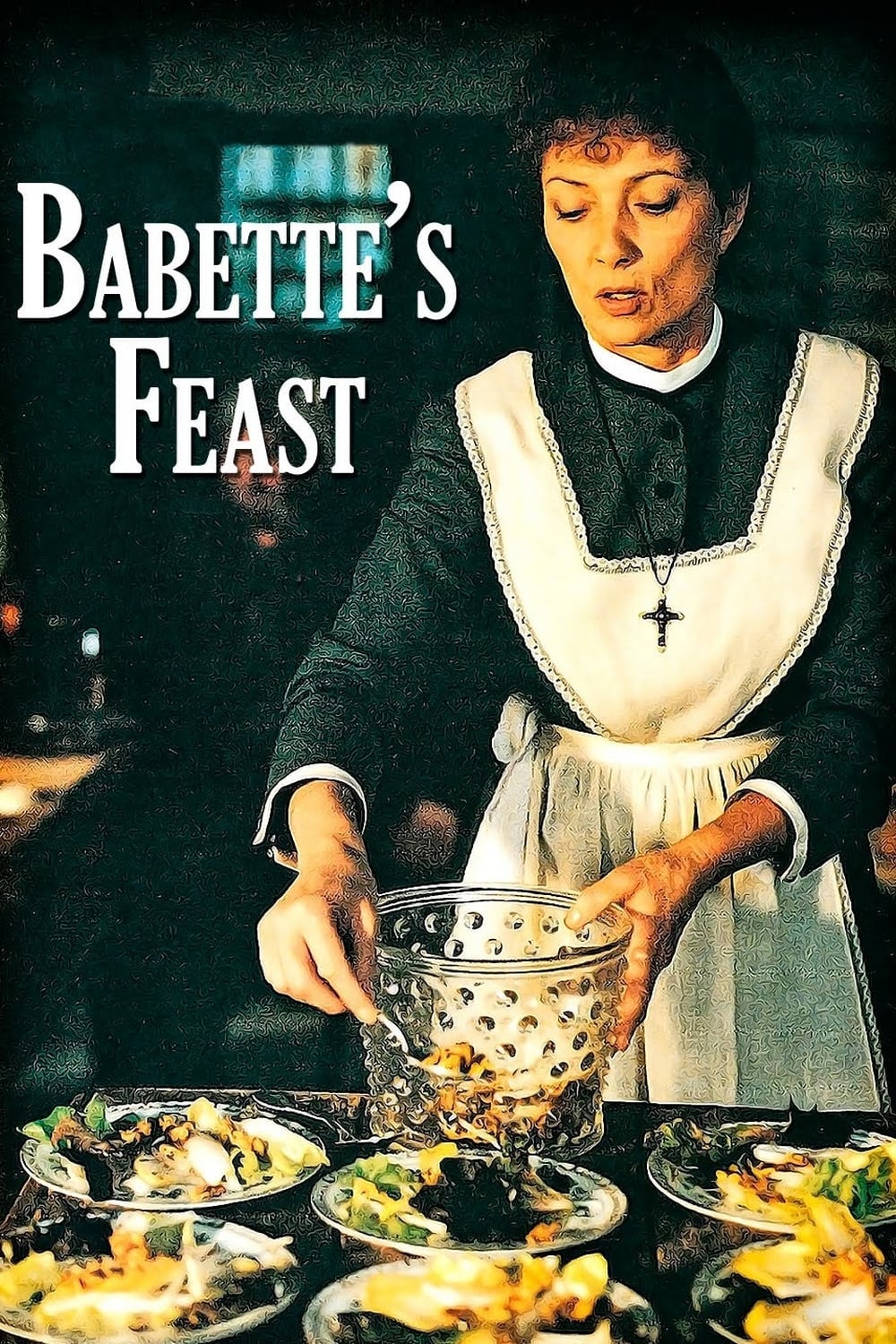
The elaborate, authentic French cuisine prepared by Babette was a central element of the film, and considerable effort was made to ensure its accuracy, including consulting with a real Parisian chef.
AI-generated overview · Verify ratings on official sources