Movie spotlight
Decalogue X
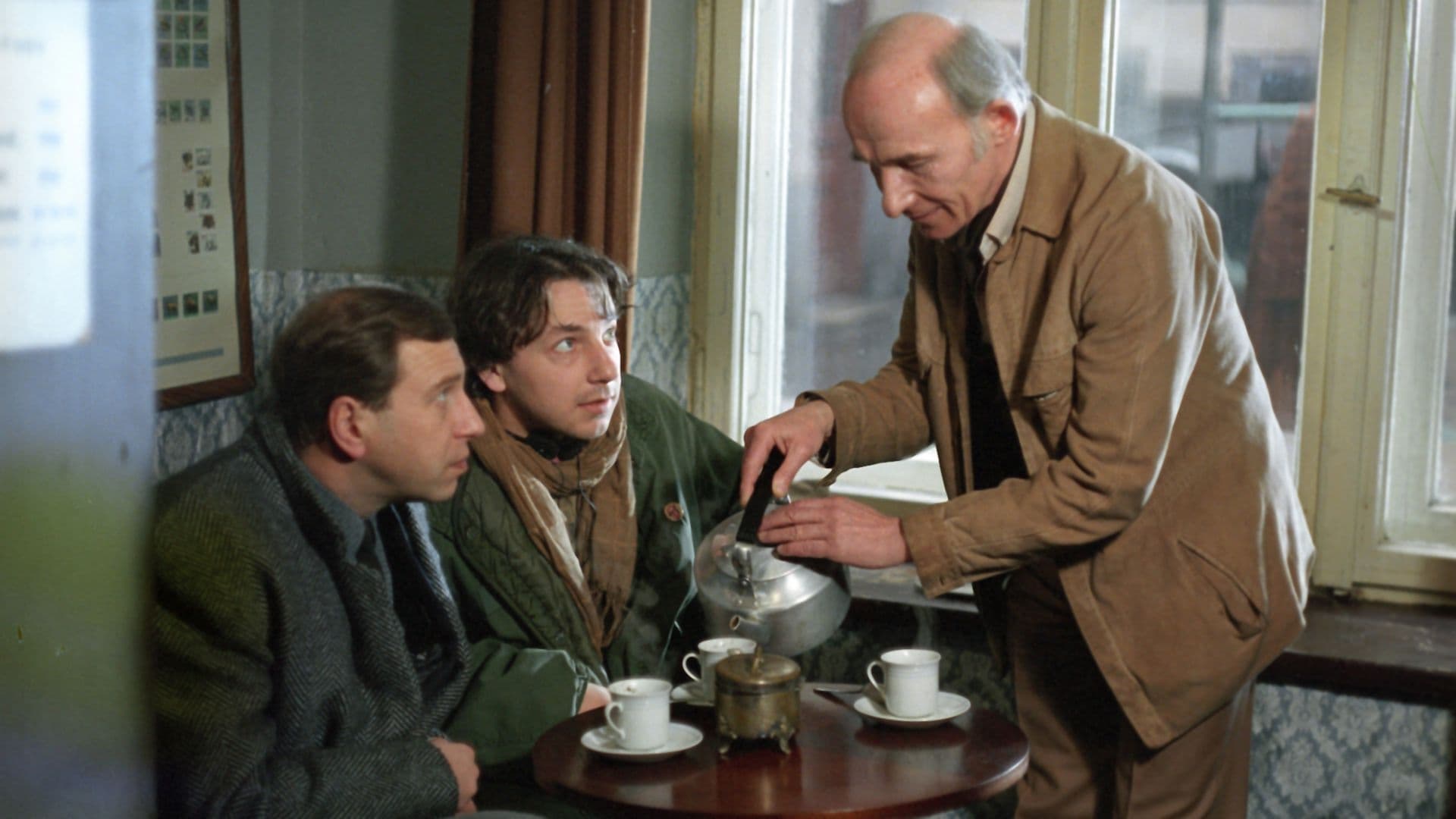
Jerzy and Artur’s father dies, leaving behind a valuable stamp collection, which, they discover, is coveted by dealers of varying degrees of shadiness. The more involved the brothers get in their father’s world, the more dire and comical their situation becomes.
Insights
Plot Summary
The tenth commandment, "Thou shalt not covet," is explored through the intertwined lives of two sons who inherit a stamp collection from their deceased father. One son, a struggling artist, is deeply in debt and sees the collection as a potential windfall. The other, a successful dentist, appears content but harbors his own resentments and desires, leading to a complex web of greed, envy, and the unraveling of family secrets. The film delves into how material possessions and past betrayals can poison familial bonds.
Critical Reception
Decalogue X, like the rest of the series, was met with widespread critical acclaim for its profound exploration of morality and human nature. Critics lauded Kieślowski's masterful direction, the nuanced performances of the cast, and the film's ability to find universal truths within specific, intimate stories. It is considered a powerful examination of the destructive nature of covetousness and the complexities of inheritance.
What Reviewers Say
Praised for its deep psychological insight into the destructive nature of greed and envy.
Applauded for its intelligent portrayal of how possessions can corrupt familial relationships.
Lauded for the compelling narrative that illustrates the tenth commandment's relevance.
Google audience: Audience reviews highlight the film's thought-provoking exploration of human desires and the consequences of covetousness within a family setting. Many viewers found the story to be a powerful and unsettling examination of morality.
Awards & Accolades
None notable for this individual episode, but the Decalogue series as a whole received numerous awards and critical recognition.
Fun Fact
The entire 'Decalogue' series was filmed in Warsaw, Poland, over an eight-month period. Despite being ten separate films, they were produced concurrently, allowing Kieślowski to maintain a consistent thematic and visual style throughout.
AI-generated overview · Verify ratings on official sources