
Insights
Plot Summary
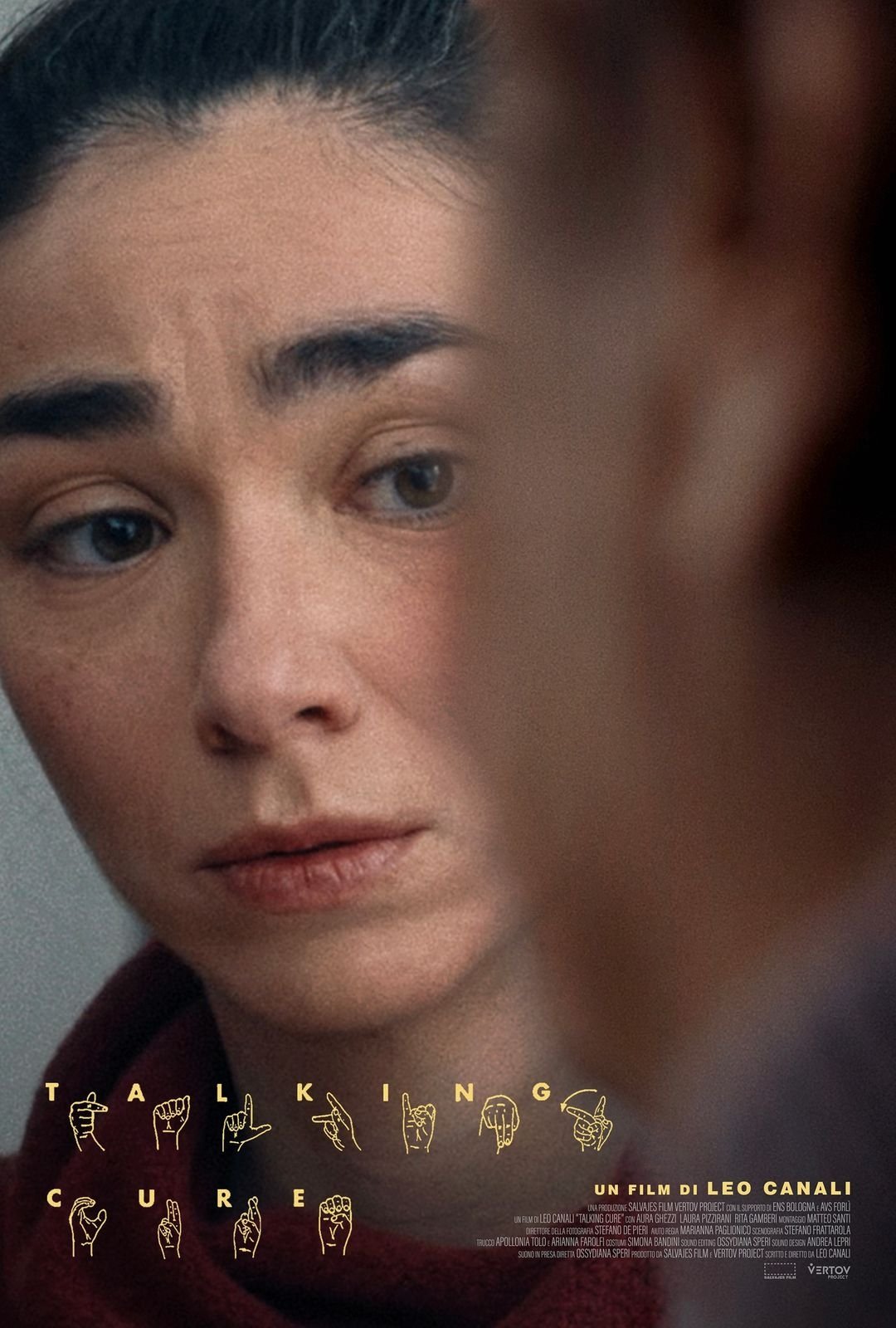
A reclusive author, tormented by a past trauma, agrees to participate in an experimental therapy that utilizes virtual reality to confront repressed memories. As the lines between reality and simulation blur, she finds herself trapped in a psychological maze, unsure if she is being healed or further broken. The therapy forces her to relive fragmented moments, revealing dark secrets that challenge her perception of truth and identity.
Critical Reception
The independent film 'Talking Cure' garnered a mixed to positive reception, particularly praised for its ambitious exploration of mental health and memory through innovative visual storytelling. Some critics lauded its psychological depth and unsettling atmosphere, while others found the narrative occasionally convoluted and the pacing uneven. Audience reception mirrored this, with many appreciating its unique premise and thought-provoking themes, though some found it too abstract or intense.
What Reviewers Say
Praised for its innovative use of virtual reality to explore psychological themes.
Appreciated for its unsettling atmosphere and focus on memory and trauma.
Criticized by some for a convoluted plot and uneven pacing.
Google audience: Audience reviews highlight the film's originality and its success in creating a disturbing, thought-provoking experience that stays with the viewer. Some users found the VR elements particularly compelling, while others expressed a desire for a clearer narrative resolution.
Fun Fact
The film was shot entirely on a green screen, with the virtual reality environments and memory sequences being heavily reliant on post-production CGI to create its distinctive visual style.
AI-generated overview · Verify ratings on official sources