Horatio's Drive: America's First Road Trip
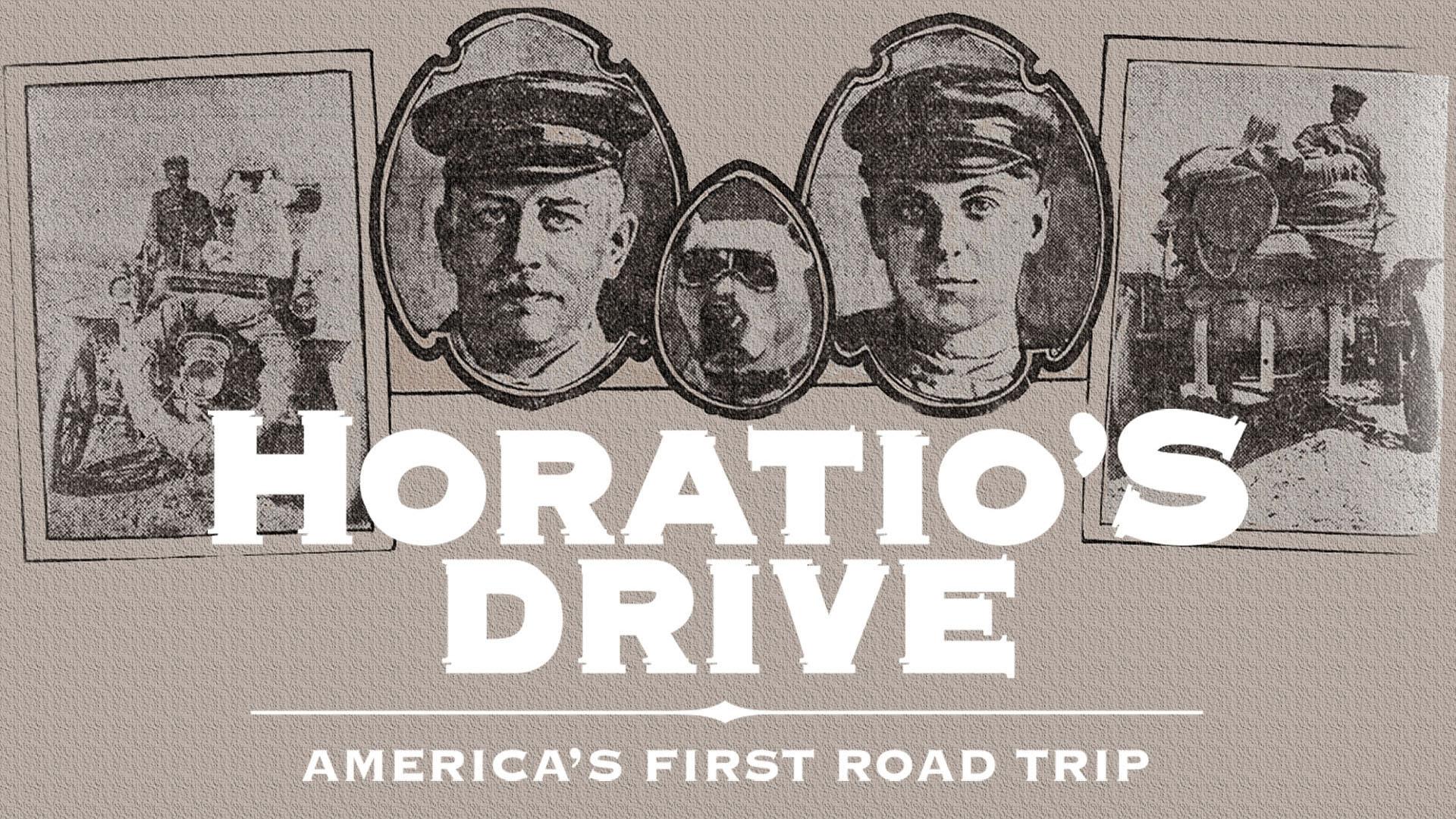
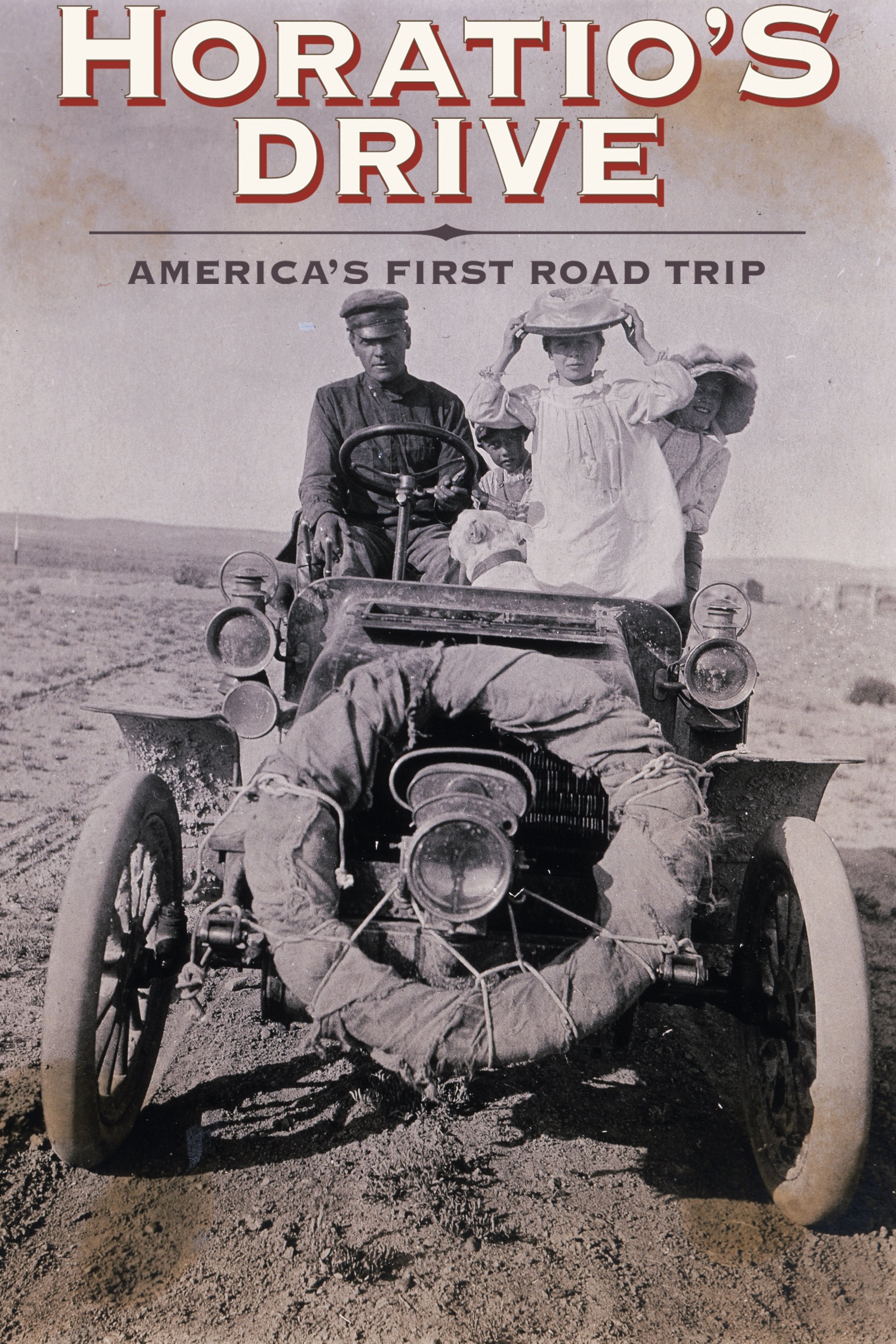
In the spring of 1903, on a whim and a fifty-dollar bet, Dr. Horatio Nelson Jackson set off from San Francisco in a 20-horsepower Winton touring car hoping to become the first person to cross the United States in the new-fangled "horseless carriage." Most people doubted that the automobile had much of a future. Jackson's trip would prove them wrong.
Insights
Plot Summary
This documentary recounts the extraordinary journey of Horatio Nelson Jackson, the first person to drive across the United States in 1903. With his co-pilot Bud Nelson and a bulldog named Bud, Jackson embarked on a perilous 63-day adventure in a primitive 20-horsepower Winton touring car. The film explores the challenges and innovations of this pioneering cross-country expedition, highlighting the spirit of adventure and the burgeoning automotive age in America.
Critical Reception
Horatio's Drive was generally well-received by critics for its engaging storytelling and historical significance. Reviewers praised Ken Burns' signature documentary style, which brought to life the daring spirit of early 20th-century America and the challenges of automobile travel at the time. The film is often cited as a compelling look at a pivotal moment in American history and the dawn of the road trip.
What Reviewers Say
- Praised for its vivid historical narrative and engaging presentation.
- Highlights the adventurous spirit and the early days of automotive travel.
- A well-crafted documentary that captures a significant moment in American history.
Google audience: Information on specific Google user reviews for this documentary is not readily available.
Fun Fact
The Winton automobile used by Horatio Nelson Jackson in 1903 was a heavy, open-top vehicle with no roof, doors, or windshield, and required the driver to manually lubricate many parts while on the move.
AI-generated overview · Verify ratings on official sources