
Movie spotlight
Jarry, Ubú Patagónico
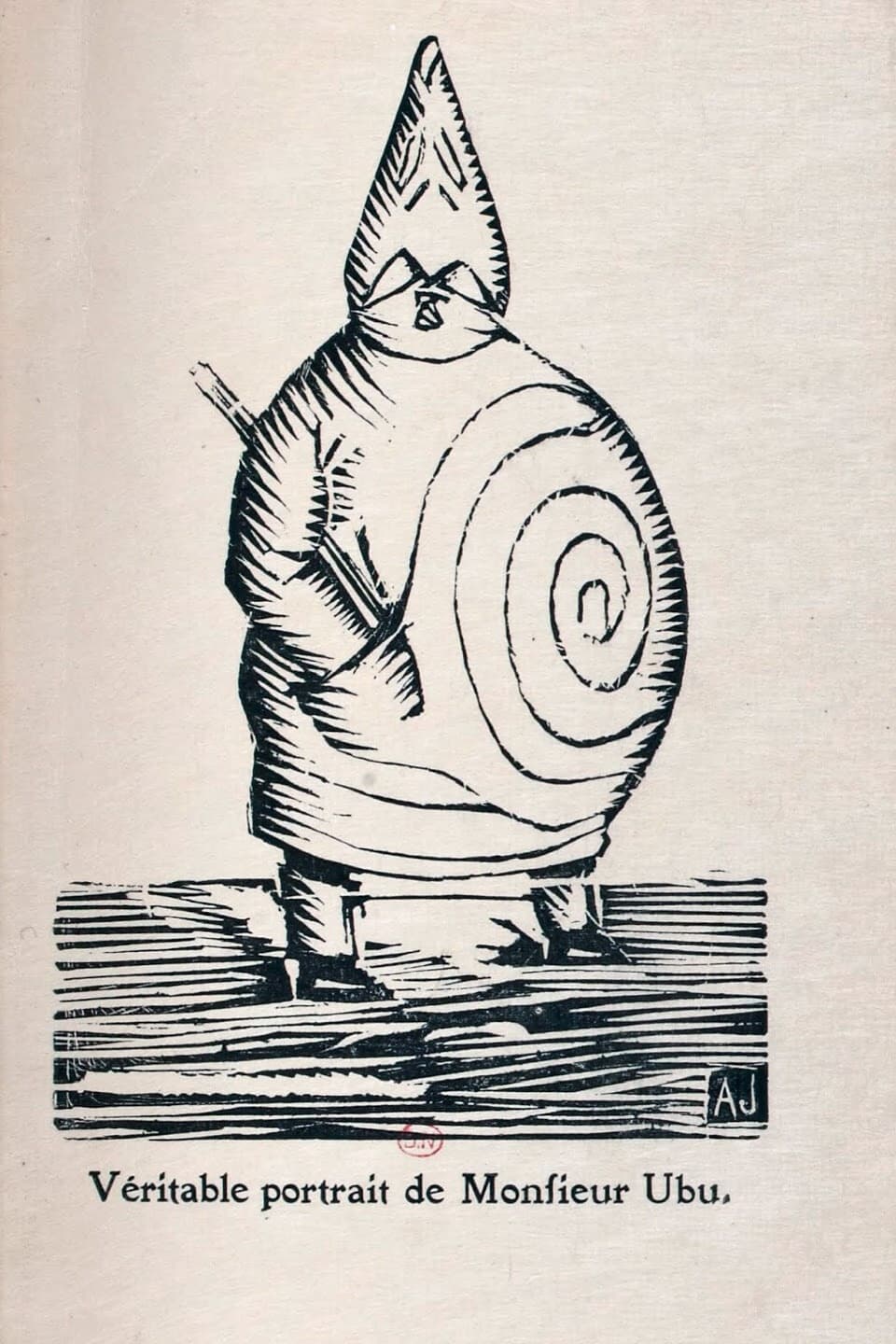
With scenes at times current and at others medieval, dramatic or overloaded with useless gestures, Jarry, Ubú Patagónico is a dialogue with “Ubú Rey”, by Alfred Jarry, and his decalogue about theatre. The work also explores Jarry's non-theatrical texts until the material is appropriated in its immateriality by a group of Patagonian Indians who take Mother Ubú prisoner.
Insights
Plot Summary
A satirical dark comedy that reimagines Alfred Jarry's 'Ubu Roi' in a contemporary Patagonian setting. The story follows the grotesque and absurd rise to power of Ubú and his wife, exploring themes of corruption, greed, and the dark side of human nature through a distinctly Argentine lens. It blends slapstick humor with biting social commentary, creating a chaotic and unforgettable cinematic experience.
Critical Reception
The film received mixed to positive reviews, with critics praising its bold satirical approach and darkly humorous tone, while some found its absurdity to be overwhelming at times. Audiences were divided, with some appreciating its unconventional style and social critique, while others found it too niche or challenging.
What Reviewers Say
Praised for its audacious satire and dark humor.
Critiqued for its at times overwhelming absurdity.
Noted for its unique Patagonian reimagining of a classic character.
Google audience: Audience reception on Google is limited, but generally points to a divisive film appreciated for its originality and commentary, though not universally accessible due to its extreme style.
Fun Fact
The film's setting in Patagonia was chosen to reflect a sense of remoteness and a landscape that could amplify the characters' greed and unchecked ambition, mirroring the original play's exploration of power.
AI-generated overview · Verify ratings on official sources