Movie spotlight
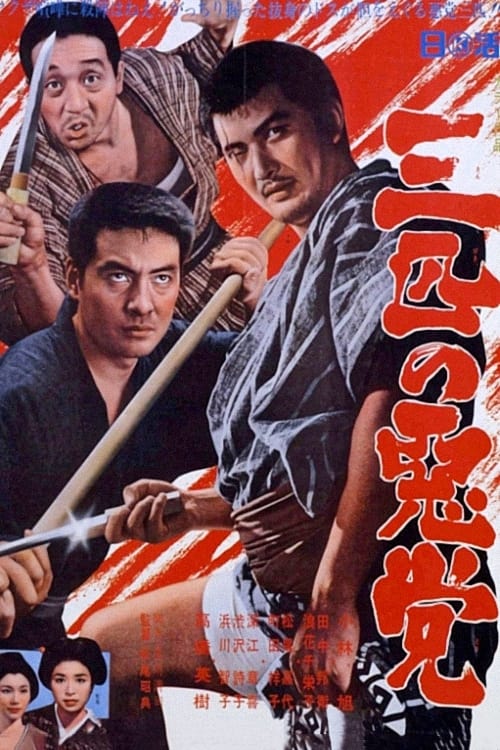
Three Rogues
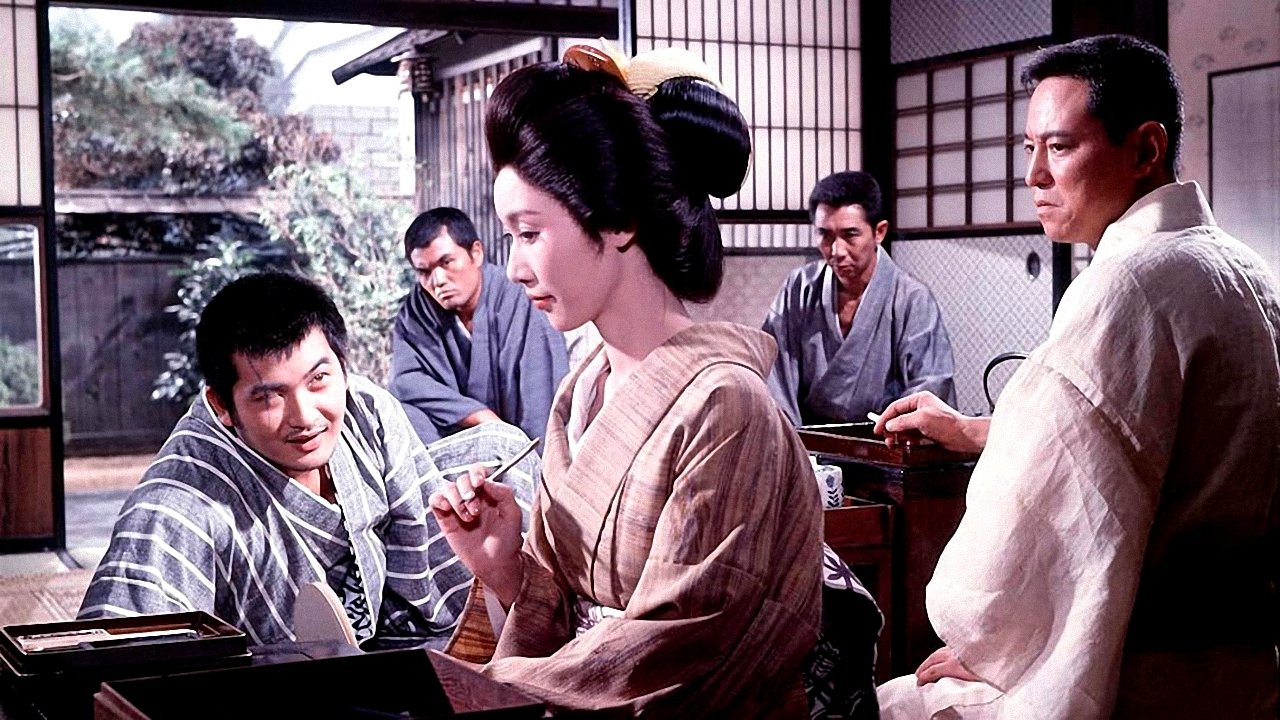
Two lone wolf yakuza (Hideki Takahashi and Kunie Tanaka) rob a gambling den, then split up when pursued by the angry gang. They eventually meet again at Tanaka's mother's rural farmhouse. By then, one-eyed Kobayashi has wrangled his way into the scenario, intending to get a split of the proceeds (since he had helped them get away). Although there is some dissension amongst the three, they eventually close ranks to fend off their stubborn, relentless pursuers. Unhappily, Tanaka’s mother (Chieko Naniwa) is killed in the process. There are also love interests (Yoshiko Machida and Kayo Matsuo) and some humor along the way. An admirably different approach to the formulaic ninkyo yakuza programmer, filmed largely in sweltering summer countryside locations.
Insights
Plot Summary
Set during the Korean War, this film follows three soldiers who are tasked with a dangerous mission behind enemy lines. Facing overwhelming odds and internal conflict, they must rely on their wits and courage to survive and complete their objective. The narrative explores themes of sacrifice, camaraderie, and the brutal realities of war.
Critical Reception
As a product of its time, 'Three Rogues' received a mixed to positive reception, particularly noted for its depiction of wartime struggles and its lead performances. While some critics found its pacing to be occasionally slow, its thematic depth and emotional impact were generally appreciated by South Korean audiences and critics alike.
What Reviewers Say
Praised for its intense portrayal of the Korean War's psychological toll on soldiers.
Applauded for the strong performances of its lead actors in their harrowing roles.
Some found the narrative structure to be less engaging than its thematic ambitions.
Google audience: Audience reviews for 'Three Rogues' highlight its powerful storytelling and historical significance. Viewers often commend the film for its realistic depiction of war and the emotional depth of the characters' journeys. Some discussions also point to its importance as a piece of South Korean cinema from the era.
Fun Fact
The film was a significant production for South Korean cinema in the late 1960s, aiming to capture the national sentiment surrounding the Korean War.
AI-generated overview · Verify ratings on official sources